News
WEBINAR: How to Overcome the Supply Chain and Labor Crisis With 3D Printing?
We do not know how long the current mix of supply chain and labor issues will last, especially considering the number challenges countries have been facing worldwide. And for many the question is how can companies continue to outperform during…
- 3 min read
- News
- Six more stories
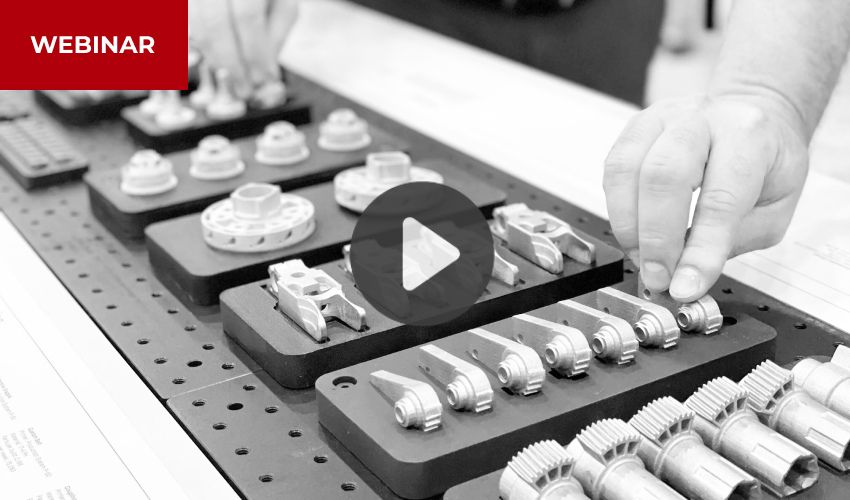
We do not know how long the current mix of supply chain and labor issues will last, especially considering the number challenges countries have been facing worldwide. And for many the question is how can companies continue to outperform during this challenging time? In our webinar, “How to Overcome the Supply Chain and Labor Crisis With 3D Printing?” which took place on September 29th at 4pm CEST, we were joined by Pierre-Victor Sabatier from Desktop Metal and Valeria Tirelli from Aidro to explore how it is possible to carve out an advantage despite these challenges thanks to agile, turnkey digital manufacturing tools.
Notably, our guests showed examples of manufacturers successfully using additive manufacturing tools for metal, and sand to step ahead of the crisis. In addition, users were able to learn how to use additive manufacturing to ease supply chain disruptions; how to produce and integrate 3D printed replacement parts; which printers and materials are available for plug-and-play adoption; and how to identify parts in an inventory that could benefit from 3D printing production. Check out the replay below!
Speakers:



Pierre-Victor Sabatier oversees Strategic Projects at Desktop Metal for the Europe and MEA region which includes partnerships with R&D centers and contract manufacturers, focus on Additive Manufacturing industrialization projects and deep dive on some key vertical markets ready to adopt AM the big way. He spent his whole career doing sales and business development especially in new markets, first in the private equity sector and then, since 2012, in the 3D printing field. He joined Desktop Metal at the start-up stage and actively contributed to its solutions’ fast adoption in Europe.
More from the desk
Six other notes from the rest of the bench.
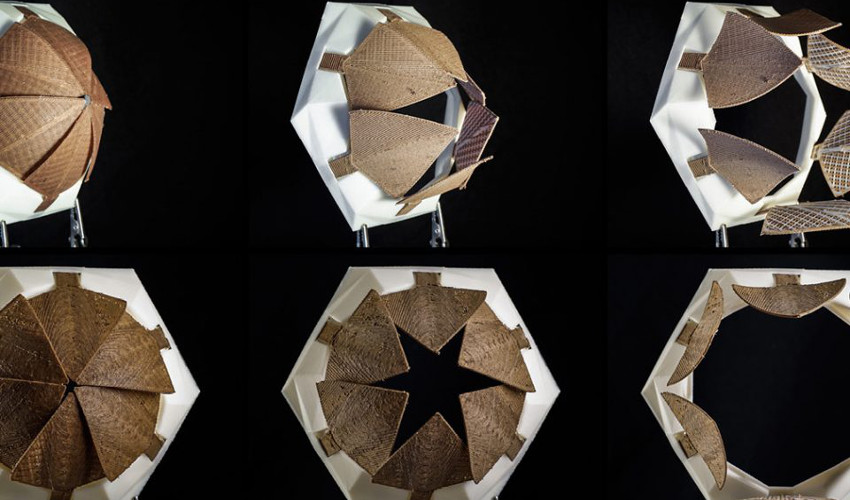 Materials4D printing reconfigurable materials for use in aerospace, medical and robotics fields4D printing is an upcoming form of additive manufacturing with effects that continue beyond the print. It is similar to 3D printing in the sense that an object is also built layer by layer. However, the object can then change…
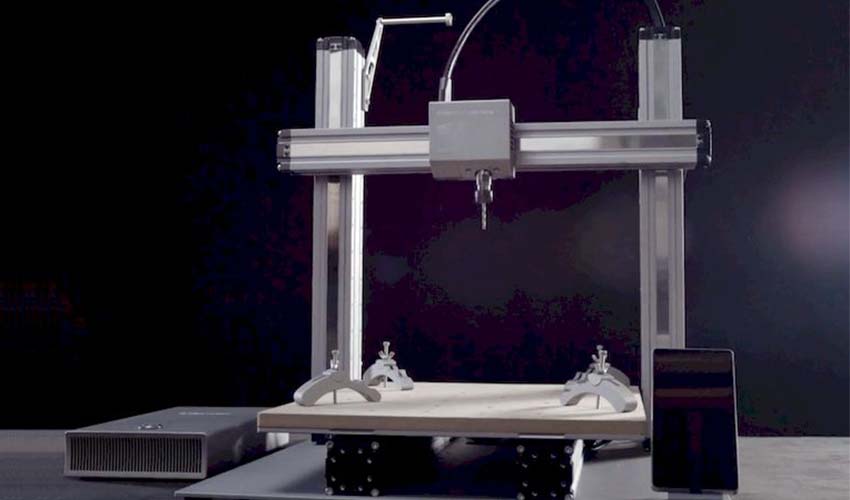 PrintersSnapmaker 2.0 raises millions in a few days on KickstarterSnapmaker launched its first kickstarter project in 2017. At the time, the project raised an unprecedented amount on the crowdfunding platform Kickstarter. In fact, in just a few days, $1 million was raised for the 3D printer. The printer combines additive…
 NewsAustralian Police Arrested a Teenager With a Fully Functioning 3D Printed GunDuring the house raid of an 18-year-old suspect in Western Australia, Police officers from the Drug and Firearm Squad secured a number of illegal firearms, including a 3D printed semi-automatic gun. The 4kg gun is able to fire 15 lethal…
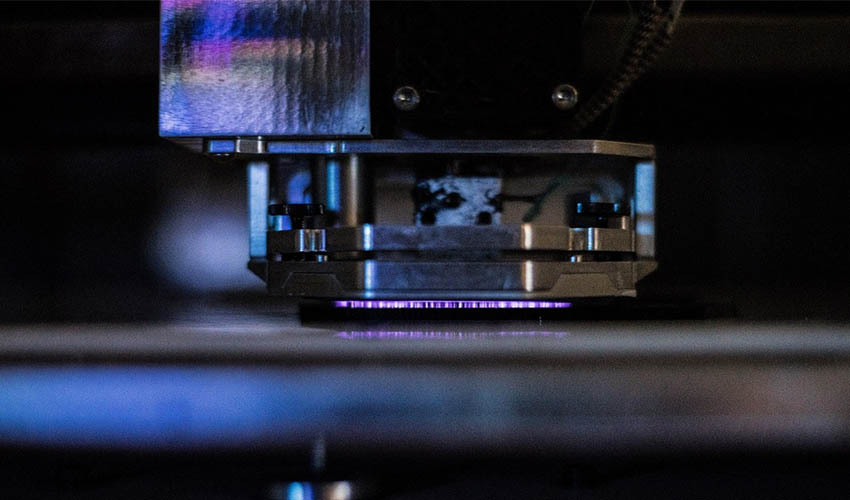 NewsIncreasing the interlayer adhesion of 3D printed parts to enhance their strengthResearchers at Texas A&M University and Essentium scientists have developed a method to enhance the interlayer adhesion of a 3D printed plastic part. By integrating carbon nanotubes and plasma science directly into the manufacturing process, they would be able to…
 NewsCould Okara Be a New Material for Food 3D Printing?Cuisine has always been creative and original, constantly reinventing itself to satisfy our taste buds. This is why many chefs and amateurs imagine unusual recipes, based on foods you might not expect. This is the case for a team of…
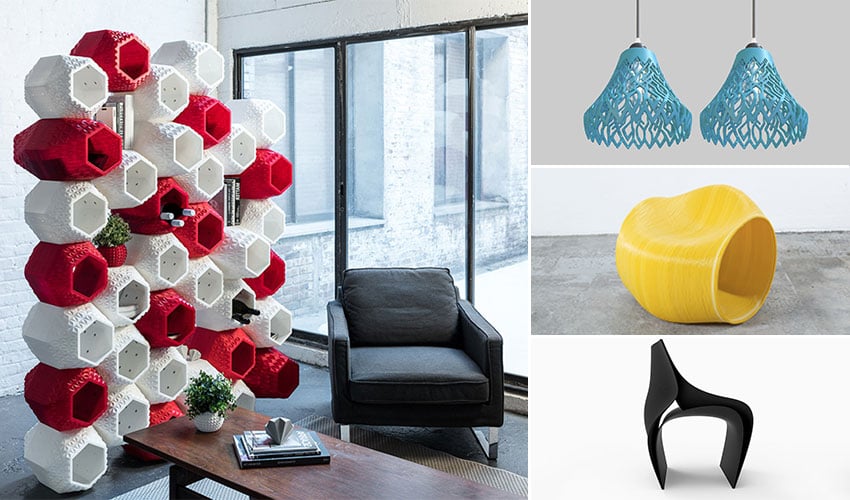 Guides14 Best 3D Printed Furniture ProjectsWhile 3D printing is gaining ground in the industrial sector, it is also present on a smaller scale in homes, open spaces or even parks and streets. We have noticed more and more 3D printed furniture for example. From chairs,…