Applications
How Can 3D Technologies Save Time and Costs in the Orthopedic Sector?
The medical sector has been greatly benefiting from the use of 3D technologies in recent years. One such example can be seen through one of the Chinese leaders in the field of orthopedics, Wuhan Biying Biotechnology Co., Ltd. Together with…
- 3 min read
- Applications
- Six more stories
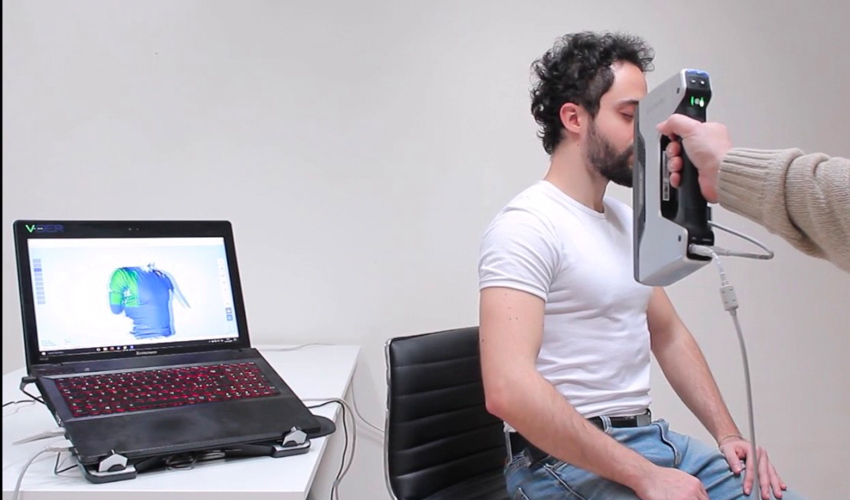
The medical sector has been greatly benefiting from the use of 3D technologies in recent years. One such example can be seen through one of the Chinese leaders in the field of orthopedics, Wuhan Biying Biotechnology Co., Ltd. Together with the help of the manufacturer SHINING3D, the two organizations created the world’s first instant 3D printing system for orthopedic external fixation. This solution will make it possible to meet the requirements of clinical practice specifications. In turn, this technology will reduce the time and costs associated with the production process, opening the door to new applications that were previously unimaginable.
From 3D scanning and digitizing methods to the additive manufacturing of medical equipment, the medical applications are numerous. In fact, according to research published by Research and Markets, the global market for 3D printed medical devices is expected to reach $4.9 billion by 2026. This figure demonstrates the ever-increasing growth around innovation and technological development in healthcare. In particular, one of the most prominent developments is related to the use of 3D scanners and 3D printers in the orthopedic sector with the aim of offering solutions tailored to the needs of each patient.
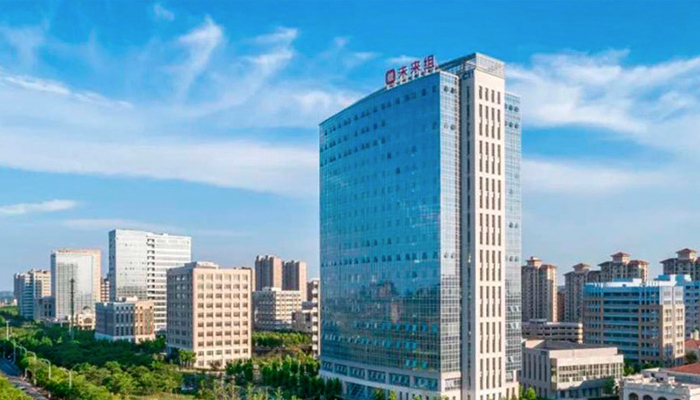
SHINING3D and Wuhan Biying Biotechnology have developed the world’s first 3D printing system for external orthopedic fixation (photo credits: Wuhan Biying Biotechnology)
Orthopedic External Fixation and 3D Technologies
Traditionally, orthopedic external fixation usually uses a plaster cast to aid the patient’s recovery. However, the patient cannot remove and clean it during treatment, so the effectiveness of the cast is affected. In addition, with little experience in CAD software and machinery handling, the entire production process can take a long time. Faced with this situation, the need has been emerging for solutions that allow users to readjust orthopedic devices with precision, promoting fracture healing without causing pain. And 3D technologies, both digitization and additive manufacturing, are the most optimal option in the orthopedic sector. This is what Biying Biotech’s R&D team observed after conducting several comparison tests and opting for collaboration with SHINING3D. Based on their results, they decided to integrate the EinScan Pro 2X multifunctional handheld 3D scanner and the EinScan H hybrid handheld 3D scanner.
More from the desk
Six other notes from the rest of the bench.
 PrintersExclusive interview with the creators of the 3D printer with 6-axisLast week, we presented you with a 6-axis printer that was created by two Swiss students from the University of Applied Sciences in Zurich, Switzerland. This printer allowed you print without having any material support. We wanted to know more…
 ApplicationsTrucks Given 3D Printed Spare PartsTransport can hardly do without additive manufacturing these days. Trucks in particular are extremely important for the transport of all kinds of goods: indeed, in 2021 U.S. trucks moved 10.93 billion tons of freight. Naturally, these vehicles require spare and…
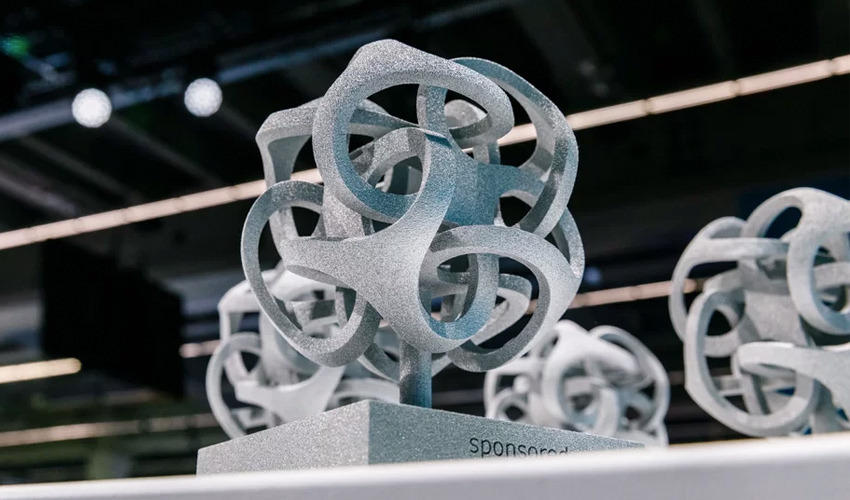 NewsFormnext Awards: Competing to Promote Innovation in 3D PrintingThe additive manufacturing sector continues to advance thanks to the talent and motivation of the people who are driving the technology forward and, with it, the industry as a whole. It is therefore essential that all these ideas receive the…
 Guides3D Printed Silk Bio-Ink Shows Potential for Knee Meniscus RepairAt the intersection of medical biotechnology and additive manufacturing, a team of researchers from the Indian Institute of Technology Guwahati and West Bengal University of Animal and Fishery Sciences, Kolkata, have forged a path toward innovative knee injury treatment. Their&he
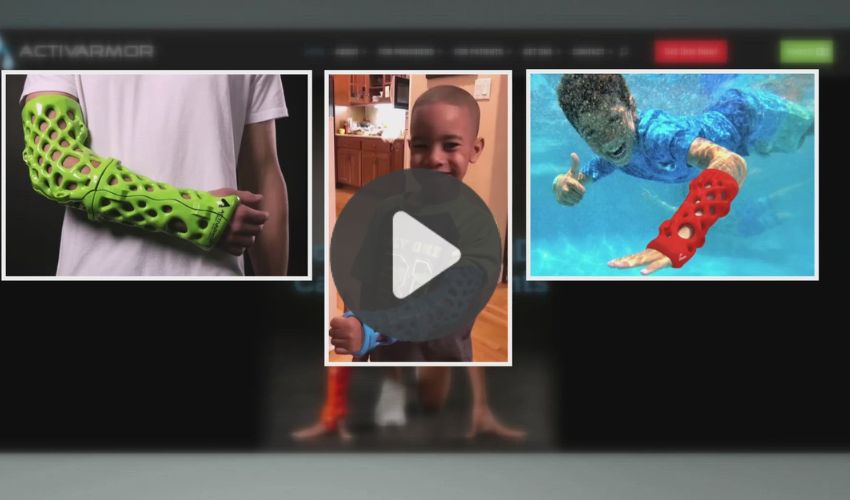 NewsTop 5 Videos: The First Patient in Louisiana Receives a 3D Printed, Custom-Fit CastSunday is here, so it is time for the week’s top 5 3D printing videos! First up, don’t miss this video about seventeen-year-old Serenity, who broke her arm riding an ATV; luckily for her, a custom 3D-printed cast potentially saved…
 NewsCould 3D Printed Foods Made With Alternative Protein Sources Like Insects Prevent Food Crises?Researchers from the Singapore University of Technology and Design (SUTD) recently introduced a more sustainable 3D food printing approach. By using alternative protein sources including algae, plants, and insects, and combining them with more common nutrient-rich foods such as v