Applications
Bioprinting Under Pressure: 3D Printing Lung Models to Study the Effect of Extreme Environments
When pilots and astronauts go into flight, their bodies are pushed into environments far more extreme than anything experienced on the ground. To better understand how humans respond under these intense conditions, researchers at Texas A&M University, supported by the…
- 3 min read
- Applications
- Six more stories
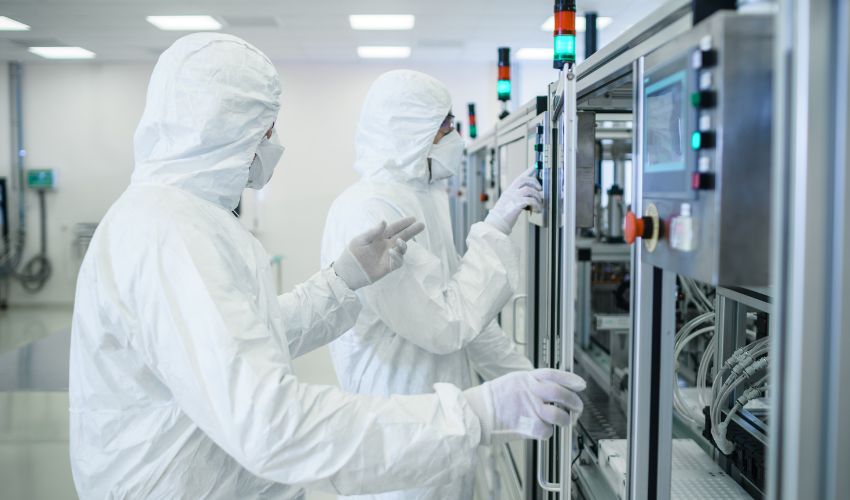
When pilots and astronauts go into flight, their bodies are pushed into environments far more extreme than anything experienced on the ground. To better understand how humans respond under these intense conditions, researchers at Texas A&M University, supported by the U.S. Air Force Office of Scientific Research, are turning to 3D bioprinting with living lung cells. Their goal is twofold: to enhance safety in aviation and spaceflight, and to accelerate the study and treatment of respiratory diseases.
In aviation settings, there can be elevated temperatures, crushing pressures, and reduced oxygen levels, all of which can harmfully affect the body. Rapid shifts in altitude or pressure, for example, may lead to dangerous fluid buildup in the lungs, while high temperatures can trigger strokes, tissue damage, or even organ failure. Traditional 2D cell cultures fall short in demonstrating what happens in such complex environments. 3D cell models, however, offer a more lifelike representation of how human cells behave under stress, opening the door to more accurate testing.

Pilots can face intense physical conditions while in flight. (Photo Credits: (Senior Master Sgt. Thomas Meneguin/Air Force)
Recreating Extreme Conditions
To accurately model how lung cells respond to harsh environments, the Texas A&M team needed highly controlled bioprinting parameters to ensure the cells remained viable. “Even small adjustments in the bioprinting process can dramatically affect cell viability and proliferation,” College of Arts and Sciences professor Dr. Hongmin Qin explained. “By fine-tuning these parameters, we are laying the groundwork for future breakthroughs in tissue engineering.”
The researchers simulated extreme conditions through a series of targeted experiments. For one study, published in Biomimetics, the team varied extrusion pressure during printing. They found that higher pressures led to greater cell death. In another study, published in Bioengineering, they exposed the 3D printed samples to different temperatures up to 55 degrees Celsius. They observed that higher heat increased oxidative stress and reduced cell survival. “The pressure and temperature findings highlight the need for precise techniques to preserve the viability of lung cells in 3D-bioprinted samples, and demonstrate how the cells respond to environmental stressors,” Qin noted.
More from the desk
Six other notes from the rest of the bench.
 ApplicationsU.S. Military Increases Fleet Readiness With 3D PrintingThe United States Navy is continuing its exploration into using additive manufacturing at sea and ashore. More specifically, at The Rim of the Pacific Exercise (RIMPAC) 2024), NPS students showed how 3D printing could be used to increase fleet readiness.…
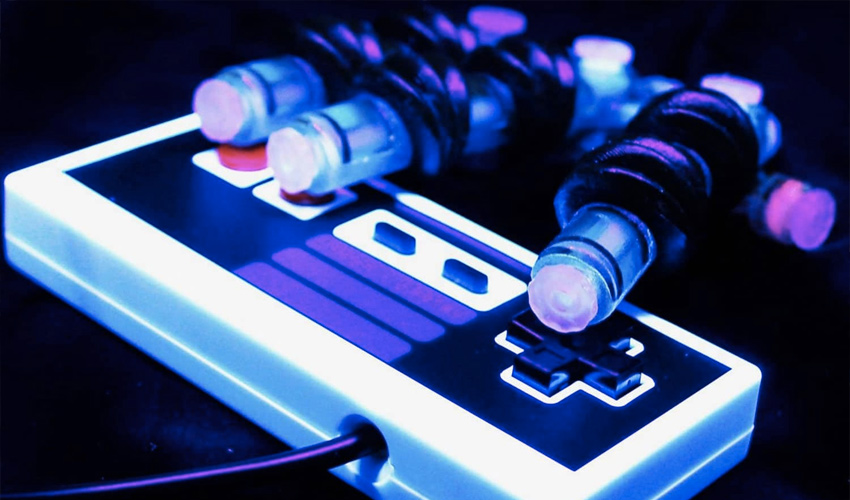 NewsA 3D-Printed Robot Hand Capable of Playing Famous Video Game Super Mario Bros from NintendoEngineers from the University of Maryland have used additive manufacturing to develop a 3D-printed robot hand capable of playing one of the most famous video games from Nintendo. Although it may seem like science fiction, the project is already a…
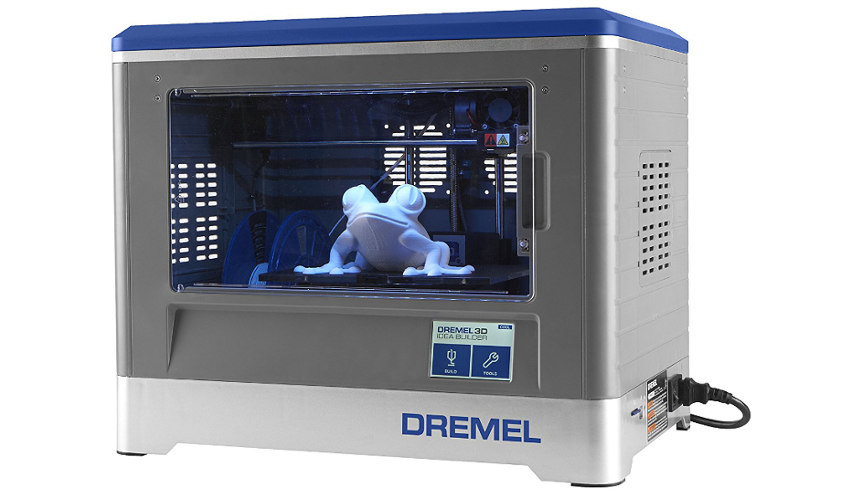 PrintersLab 3Dnatives: Dremel Idea Builder 3D Printer TestDespite its history in the DIY industry, American tool brand Dremel announced not too long ago that they would enter the 3D printing market. Since then, they have released the Dremel Idea Builder, a Plug & Play 3D printer based…
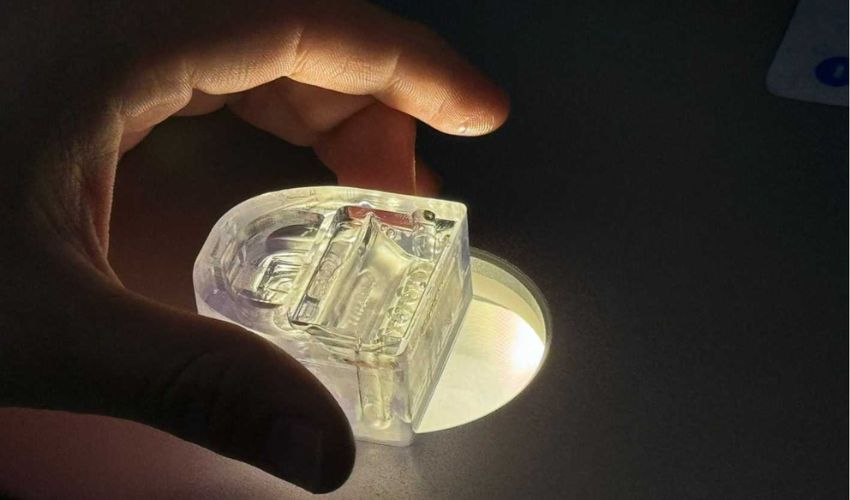 Guides#3DStartup: Gameet and the Future of Assisted Reproduction Through 3D Printing3D printing has proven to be a versatile tool across industries as diverse as engineering, medicine, and pharmaceuticals. But did you know it’s also making an impact in the field of assisted reproduction? In this area, the technology opens up…
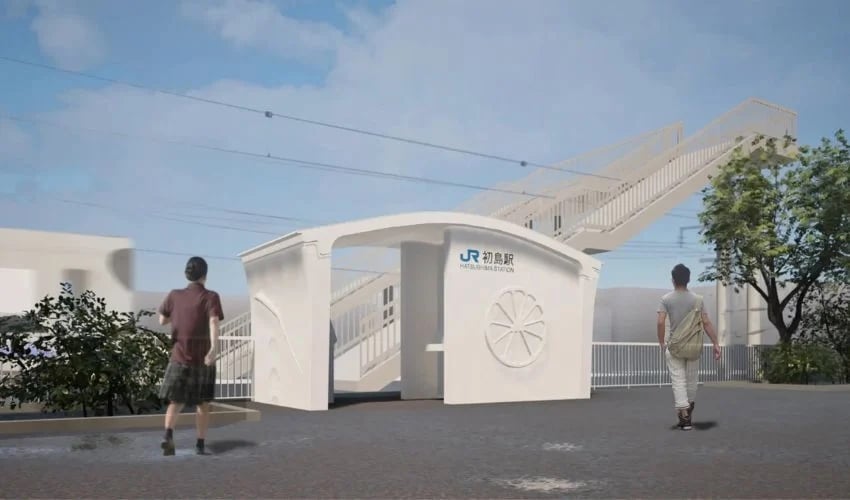 ApplicationsThe World’s First 3D Printed Train Station Is Being Made in JapanAnyone who regularly travels by train will be familiar with the gulf between the high-tech solutions in the city and outdated commuter trains in the countryside. While train stations in the cities can be veritable technological strongholds and hubs for…
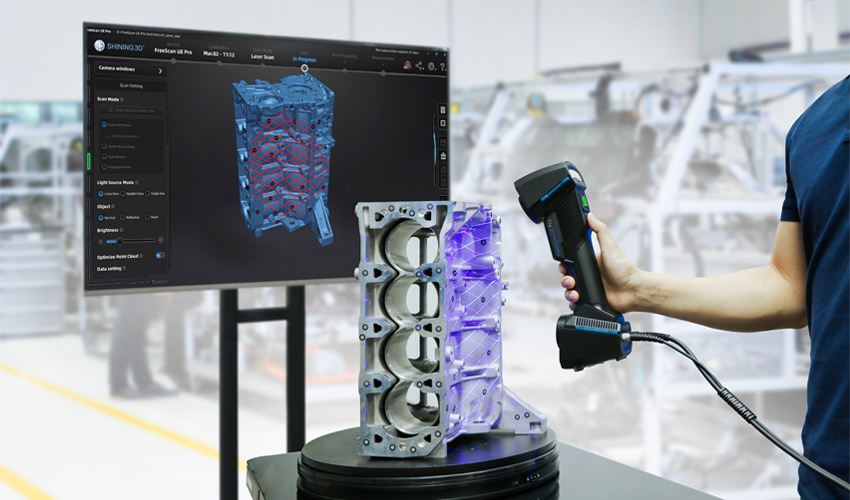 PrintersFreeScan UE Pro, Shining3D’s Most Multifunctional, Laser Handheld 3D ScannerShining3D is a leading supplier of 3D digitizing technologies for a multitude of applications and industries. In addition to additive manufacturing machines, the international company is known worldwide for its 3D scanning and inspection solutions. Now, Shining3D is expanding its