Guides
#3DStartup: Gameet and the Future of Assisted Reproduction Through 3D Printing
3D printing has proven to be a versatile tool across industries as diverse as engineering, medicine, and pharmaceuticals. But did you know it’s also making an impact in the field of assisted reproduction? In this area, the technology opens up…
- 3 min read
- Guides
- Six more stories
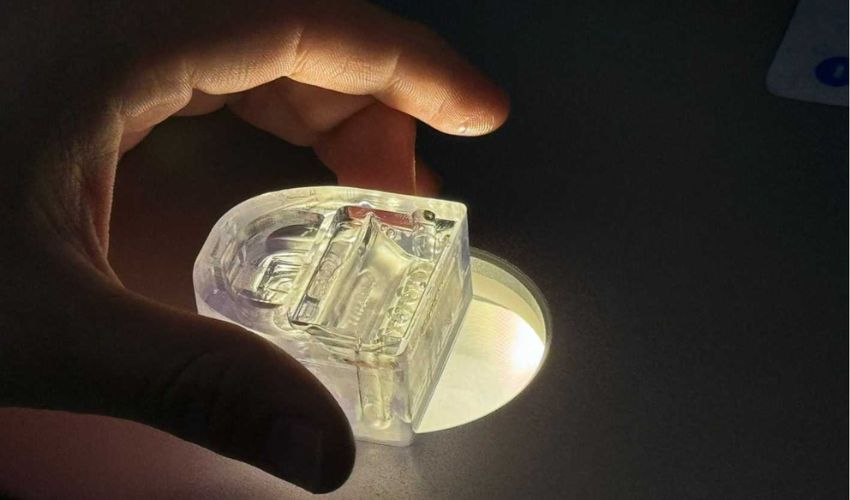
3D printing has proven to be a versatile tool across industries as diverse as engineering, medicine, and pharmaceuticals. But did you know it’s also making an impact in the field of assisted reproduction? In this area, the technology opens up new possibilities by enabling the creation of complex biological environments that mimic natural fertilization processes. This is where Gameet comes in, an Argentine company that uses 3D printing with specialized resins to develop microdevices designed to optimize the selection and fertilization of gametes (reproductive cells). To learn more about this unique application, we spoke with Alejandro Guidobaldi, PhD in Biological Sciences, and CSO and CTO of the young company. In this interview, he shares the technical challenges behind their invention, the progress achieved in animal models, and his vision of how 3D printing could become a key ally for the reproductive biology of the future. Don’t miss it!
3DN: Could you introduce yourself and tell us about your connection to 3D printing?
My name is Alejandro Guidobaldi. I hold a PhD in Biological Sciences, and I am the Director of the Center for Cell and Molecular Biology, as well as a Full Professor in the Department of Cell and Molecular Biology, both at the Faculty of Exact, Physical and Natural Sciences of the National University of Córdoba. I am also an Assistant Researcher at CONICET. Clearly, I come from a biological background that might seem far removed from 3D printing, but I became involved with it out of both necessity and curiosity. Throughout my scientific career, I have always enjoyed developing technologies that make my laboratory work easier and more efficient, as well as creating new techniques and processes. In that sense, 3D printing has allowed me to bring ideas to life in the form of supports and accessories that complement biological research and can be tailored to specific experimental needs.

The Gameet team. From left to right: Fernando Cardiello (CBDO), Maximiliano Tourmente (CEO), and Alejandro Guidobaldi (CSO/CTO).
3DN: What is Gameet, and how did the idea to create the company come about?
Gameet is a clear example of what I mentioned earlier. It is a company dedicated to manufacturing devices for assisted reproduction treatments using 3D printing. The idea arose from our desire to bring more than two decades of scientific knowledge generation to society. Over this time, we have learned a great deal about the sperm selection processes that optimize fertilization in mammals. This is a complex process involving specific spatial architecture, as well as mechanical and chemical interactions between the gametes and the reproductive tract. 3D printing opened up the possibility for us to recreate this environment in a way that allows certain natural processes, refined over millions of years of evolution, to take place. These processes are often overlooked or under-optimized in current assisted reproduction procedures.
More from the desk
Six other notes from the rest of the bench.
 GuidesMiele on the 3D4U project and the benefits of using 3D printing in the home appliances marketMiele, the German manufacturer of high-end domestic appliances and commercial equipment, revealed back in May that it would make free STL files for household appliance accessories available through its 3D4U project. As you may know, one of the benefits of…
 NewsHow does a concrete 3D printer work?In recent years the role of additive manufacturing in the construction industry has become increasingly important. In particular, concrete 3D printers have been continuously gaining popularity among architects and construction firms. After water, concrete is the most widely used
  MaterialsAll About Lattice Structures in 3D PrintingIn automotive parts, medical implants, running shoes, and hiking backpacks, we’re seeing more and more 3D-printed components featuring lattice or honeycomb patterns. You might think these lattice structures are the latest innovation in 3D printing and design for additive manufact
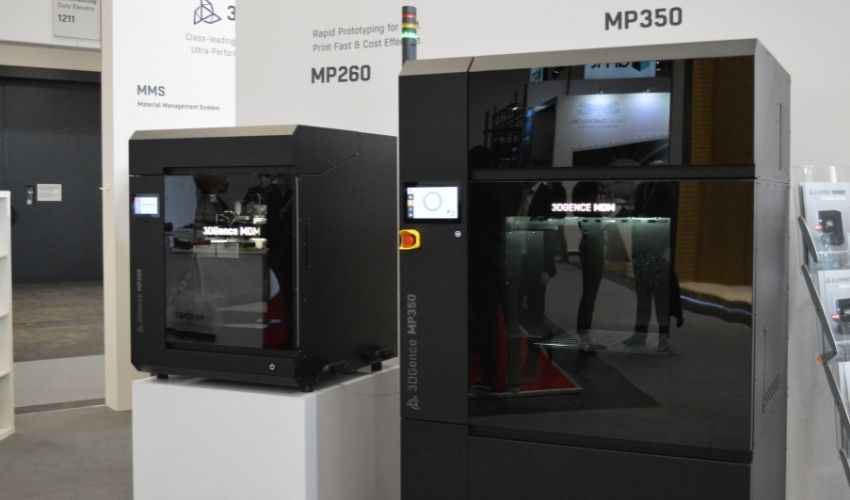 Printers3DGence Premieres Series of Metal FFF 3D PrintersDespite the continued dominance of polymers in additive manufacturing, metal 3D printing has also increased significantly in recent years with a faster growth rate than many other AM product segments. This is especially the case when it comes to desktop…
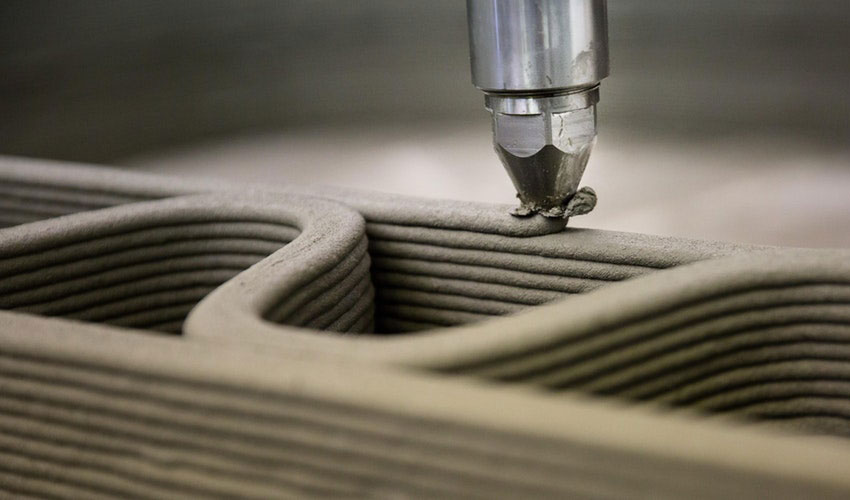 Printers3D Printing: The Future of ConstructionIn 2004, Professor Behrokh Khoshnevis of the University of South Carolina attempted the first 3D printed wall. Since then, this innovation has exploded and it’s now possible to build a house in just 20 hours! The professor developed an FDM…
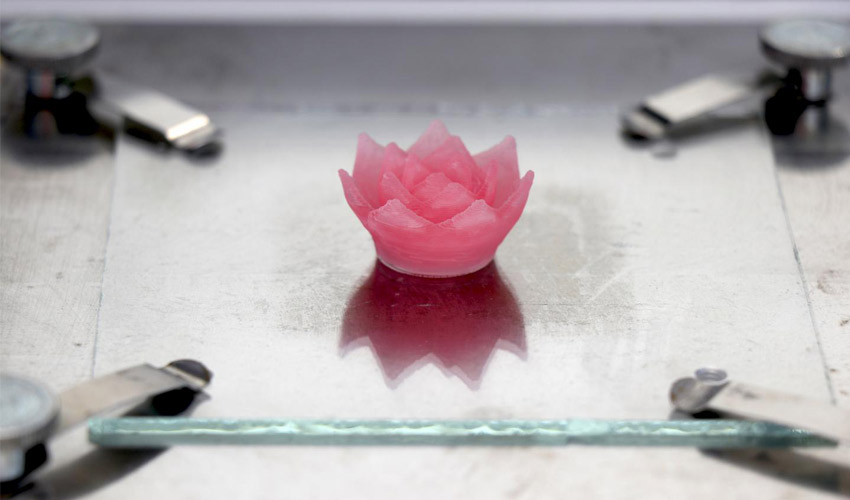 MaterialsSilica aerogel, the most insulating of all 3D printing materialsThere is a lot going on with 3D printing materials! Recently, a team of researchers has succeeded in 3D printing with silica aerogel, the most insulating material of all. Known for being rather brittle, this material is often reinforced with…