Applications
A 3D Printed Micro Turbojet Takes to the Skies in China
The Aero Engine Corporation of China (AECC) has announced the successful maiden flight of its 3D-printed micro turbojet engine, a first for the Chinese aerospace sector. Named Minimalist Lightweight Micro Turbojet, the engine was tested in the Inner Mongolia Autonomous…
- 3 min read
- Applications
- Six more stories

The Aero Engine Corporation of China (AECC) has announced the successful maiden flight of its 3D-printed micro turbojet engine, a first for the Chinese aerospace sector. Named Minimalist Lightweight Micro Turbojet, the engine was tested in the Inner Mongolia Autonomous Region in northern China.
AECC Performance Claims
Maximum thrust: 160 kg;
Altitude: 4,000 meters;
Technology: 3D printing (process not officially specified, but most likely laser powder bed fusion);
Software: Topological optimization used
Weight: significantly reduced thanks to additive manufacturing
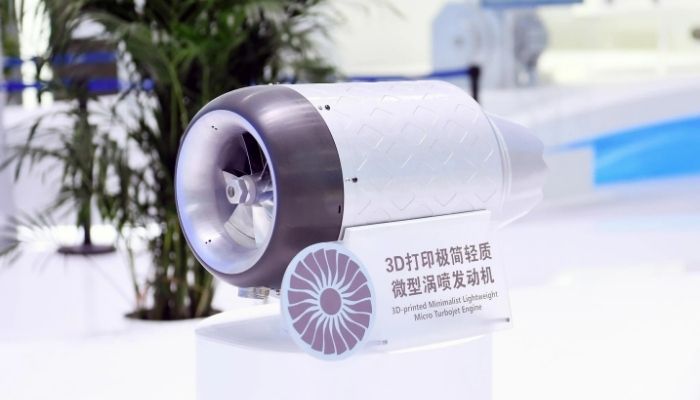
The micro turbojet engine created by additive manufacturing
Strategic Interest in Additive Manufacturing
Additive manufacturing is becoming a major asset for the aerospace sector. Its advantages include:
- Reduced component weight, essential in aerospace;
- Design of complex geometries, impossible to produce with traditional processes;
- Shorter production cycles, with finer digital control;
- Optimization of operating costs through overall weight reduction and functional integration.
International Context and Competition
Similar projects are underway in other countries, notably in the United States, where several initiatives are aimed at integrating 3D printing into rockets, satellites and VTOL aircraft. The market is growing fast, with increasing global competition.
More from the desk
Six other notes from the rest of the bench.
 News9T Labs raises $4.3 million to advance carbon fiber 3D printingZurich-based startup, 9T Labs has successfully closed a $4.3 million funding round to finish the development of their industrial 3D printing solution. We told you before about the company’s activities in the 3D printing sector and their solution for composite…
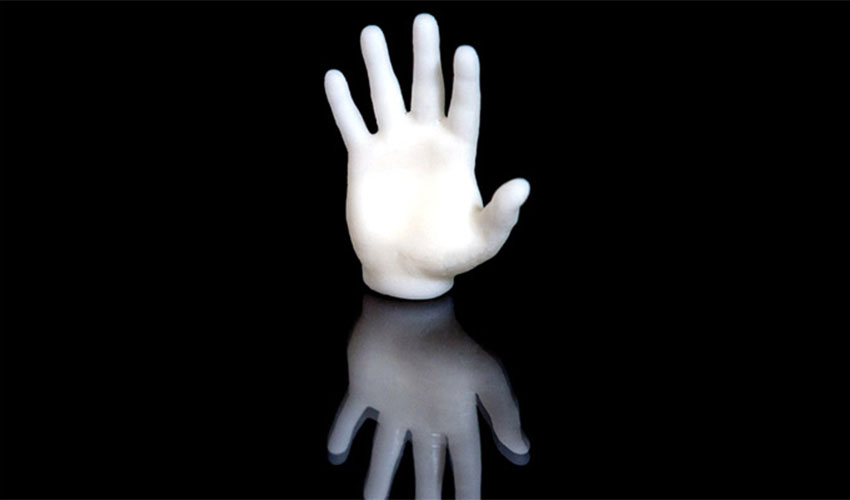 MaterialsSpectroplast receives €1.38 million to advance silicone 3D printingSpectroplast AG, the SLA silicone additive manufacturing service company just completed a €1.38 million funding round led by Munich-based investor, AM Ventures. We told you about Spectroplast in February in an interview with co-founder, Petar Stefanov. The startup spun out&hellip
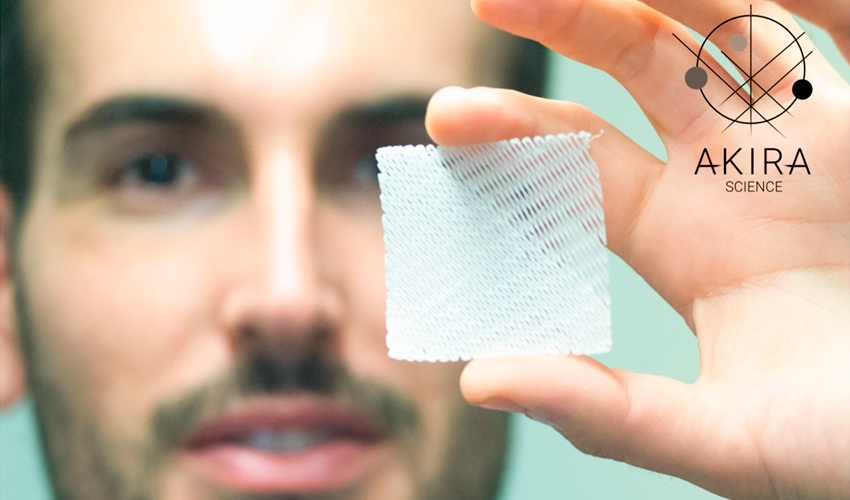 GuidesAkira Science on 3D Printing Biomaterials for Tissue RegenerationAs 3D printing continues to revolutionize the healthcare field, more and more companies are exploring its applications in the development of innovative medical solutions. This technology, which excels in customization and precision, is transforming the way devices and materials a
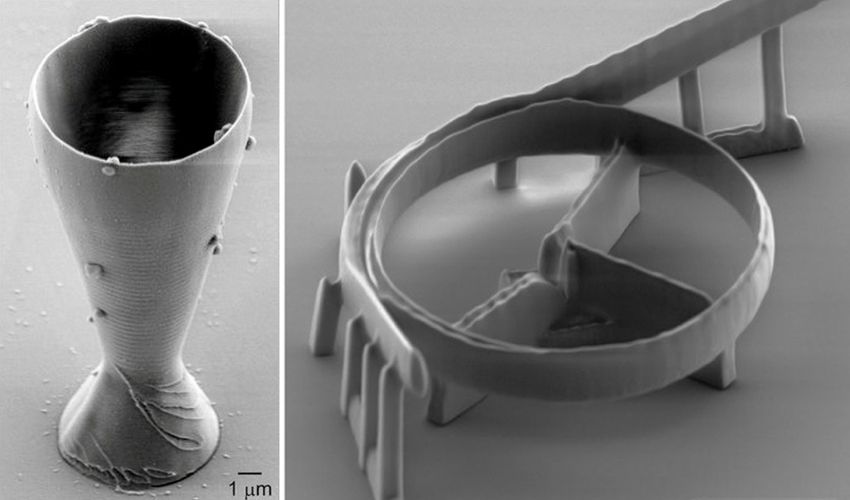 NewsRevolutionary Glass Printing Technique Creates World’s Smallest 3D Printed Wine GlassIn a remarkable technological feat, researchers at the KTH Royal Institute of Technology have successfully 3D printed the world’s smallest wine glass. This tiny glass, with a rim thinner than a human hair, serves as a demonstration of a groundbreaking…
 NewsThe Top 3D Printing Videos of 2023The year 2023 is drawing to a close, and to celebrate these final moments, we’ve compiled the best 3D printing videos the year has to offer. In this article, we bring you a variety of unmissable content. Discover the various…
 NewsDiscovery, the 3D printed carbon fiber satelliteMini-Cubes is a young American company that designs very small satellites: called PocketQubes, they measure only 5 cm and remain more accessible than traditional satellites. The reason we are telling you about it today is because the company has started…