News
9T Labs raises $4.3 million to advance carbon fiber 3D printing
Zurich-based startup, 9T Labs has successfully closed a $4.3 million funding round to finish the development of their industrial 3D printing solution. We told you before about the company’s activities in the 3D printing sector and their solution for composite…
- 3 min read
- News
- Six more stories
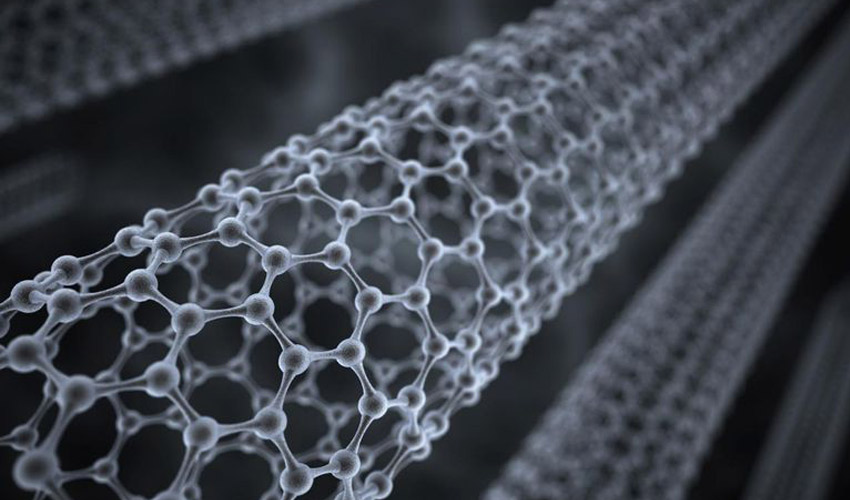
Zurich-based startup, 9T Labs has successfully closed a $4.3 million funding round to finish the development of their industrial 3D printing solution. We told you before about the company’s activities in the 3D printing sector and their solution for composite materials. In fact, 9T Labs has created an add-on system for ordinary 3D printers to enable continuous fiber 3D printing. The industry is gaining confidence in continuous fiber 3D printing, particularly for industrial applications where this technology can add strength to parts without adding weight. Therefore, this investment will also allow the startup to scale-up the first mass manufacturing industrial use cases.
More precisely, 9T Labs works with carbon fiber composites, the most popular fiber in the 3D printing industry. Their technology is called Additive Fusion Technology (AFT) and as mentioned, it can be added to other systems seamlessly. The company was founded by Chester Houwink, Giovanni Cavolina and Martin Eichenhofer in 2018, and its mission is to make carbon fiber composite materials as accessible as ordinary metal materials.

Martin Eichenhofer, Chester Houwink, Giovanni Cavolina | Credits: 9T Labs
Many manufacturers are comparing carbon fiber 3D printed parts to metal 3D printed parts, the main difference being cost. When we spoke to the 9T Labs team at the end of last year, they told us: “Just imagine a material which is as lightweight as plastic but as strong, or even stronger, than metal. However, the traditional and established manufacturing routes are still limiting a widespread adoption of this performance material, mainly because of extremely long and expensive development times as well as a lack in automation.”
More from the desk
Six other notes from the rest of the bench.
 NewsCoolable 3D Printed Canister Could Help Prevent the Spread of Disease-Carrying MosquitoesDo you know what the most dangerous animal on the planet is? Contrary to common expectations it is not lions, hippos, sharks or any other predator creators. Rather, it is the common mosquito. On average, mosquitos kill about 750,000 people…
 NewsBarilla’s 3D Printed Pasta Is Now Available for SaleOver the years, 3D printing has already affected multiple sectors and is now even finding its way onto our plates. These days, the food industry is relying on all the advantages 3D technologies have to offer. This time, we took…
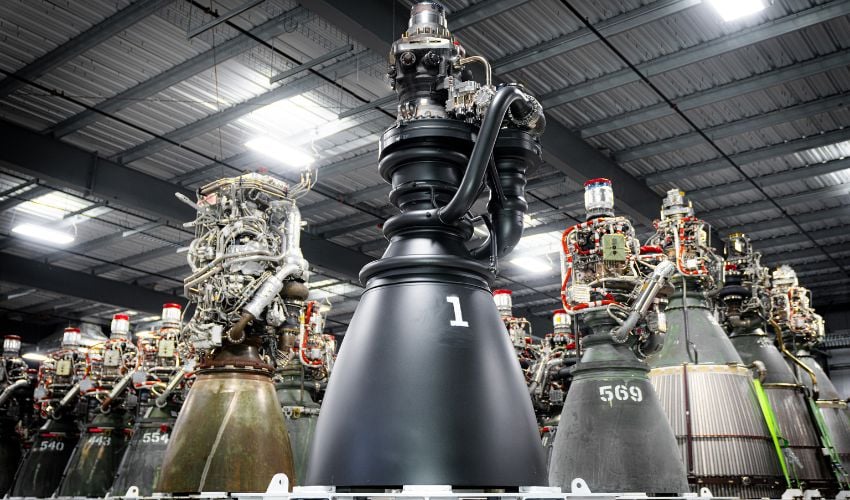 ApplicationsSpaceX Optimizes Raptor 3 Engine With the Help of DfAM and 3D PrintingElon Musk has not only caused a stir in the last week with inflammatory statements on social issues as well as his growing support for Donald Trump’s re-election, but also with a new announcement about the production of the Raptor…
 Guides#Working3D: Six Questions to Understand the Job of R&D EngineerWith the rise of industrial additive manufacturing, many companies are looking to hire profiles specialized in these new technologies, capable of fully making the most of its advantages. This is what we have seen on our dedicated job board, where…
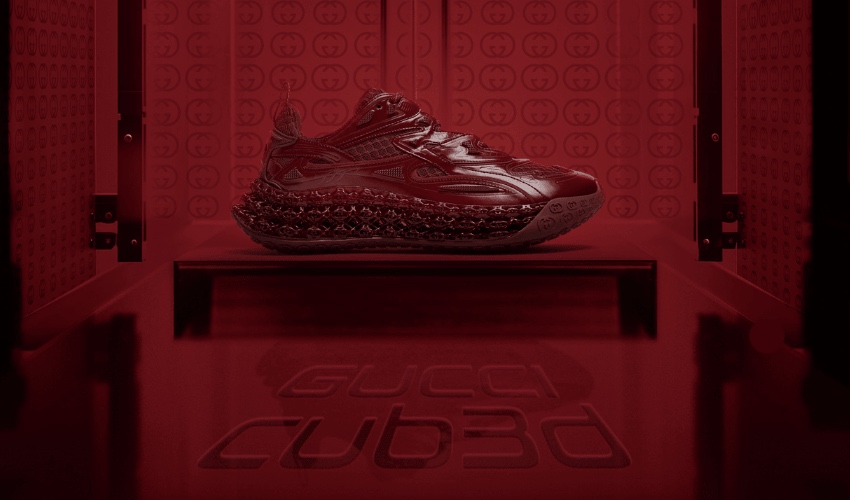 NewsGucci Chooses 3D Printing for Luxury Sneaker Gucci Cub3d3D printing is taking over the fashion world, revolutionizing the production of clothing, bags and, most importantly, footwear. In recent years, brands such as adidas, ASICS, and Reebok have launched their own 3D printed shoes on the market. Using additive…
 Software#Startup3D: SAMGEN Unveils Its AI-Based Predictive Maintenance Software for Additive ManufacturingThe importance of artificial intelligence to optimize processes in Industry 5.0 is becoming increasingly evident. Even in the field of additive manufacturing (AM), we have seen a number of applications for AI, especially in software enhancement. From design to manufacturing,&hell