Printers
Reconstructing A 19th Century Ship in Australia Using 3D Technology
While additive manufacturing offers the possibility of producing and repairing all sorts of parts, it can also be used to reconstruct old models, whatever they may be. And the Silentworld Foundation, an Australian non-profit organization focused on marine archaeology and…
- 3 min read
- Printers
- Six more stories
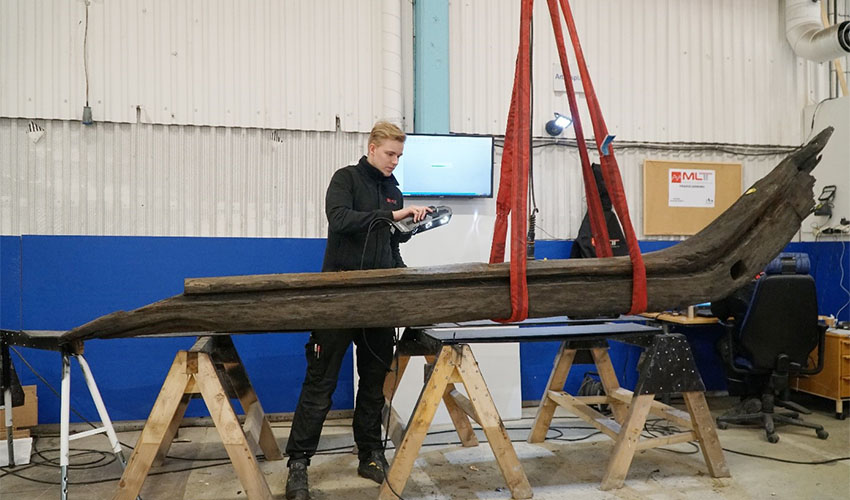
While additive manufacturing offers the possibility of producing and repairing all sorts of parts, it can also be used to reconstruct old models, whatever they may be. And the Silentworld Foundation, an Australian non-profit organization focused on marine archaeology and heritage, understands this to say the least. Thanks to 3D technologies, several old boats have been modeled in 3D by Silentworld, including the boat named “Barangaroo Boat”. Found in Sydney, this 19th century ship was discovered during excavations, and to reproduce it, the Silentworld team used upon the 3D scanner manufacturer Artec 3D.
Scanning all of the parts that make up the Barangaroo Boat was no simple task. In order to avoid breaking the parts that make up the 1820 boat, each part was carefully removed before being scanned. For the Barangaroo Boat, but also other 3D scanned boats, 3D technologies allow companies to save precious time. In this case, with the Artec 3D scanner, it took only three months to get the data for the various parts. If Silentworld had used traditional methods, it would have taken more than a year to obtain such data.
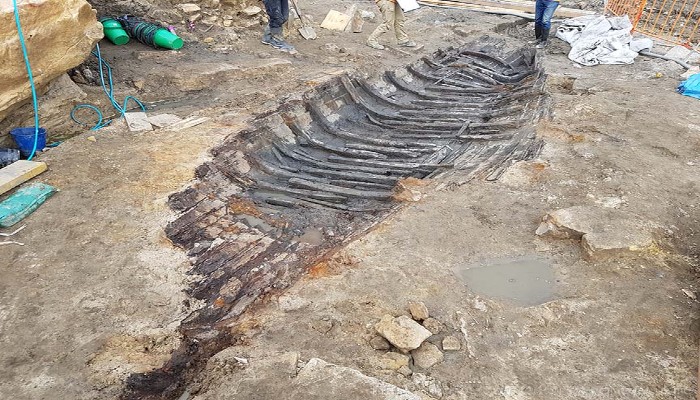
The Barangaroo Boat which was discovered during excavations (photo credits: Silentworld)
The Artec Eva 3D scanner
To scan the old boat, the two companies used the Artec Eva 3D scanner, one of the most popular machines on the market. According to the manufacturer, Eva is a lightweight, fast and versatile scanner, offering accuracy down to 0.1 mm without the need for a target. Artec’s 3D scanner has scanned as many as 300 parts and achieved accurate reproduction of wood in both geometry and color. Finally, Eva’s accuracy gave companies the ability to highlight patterns, nail marks and other fine details, crucial data according to the Silentworld Foundation.
More from the desk
Six other notes from the rest of the bench.
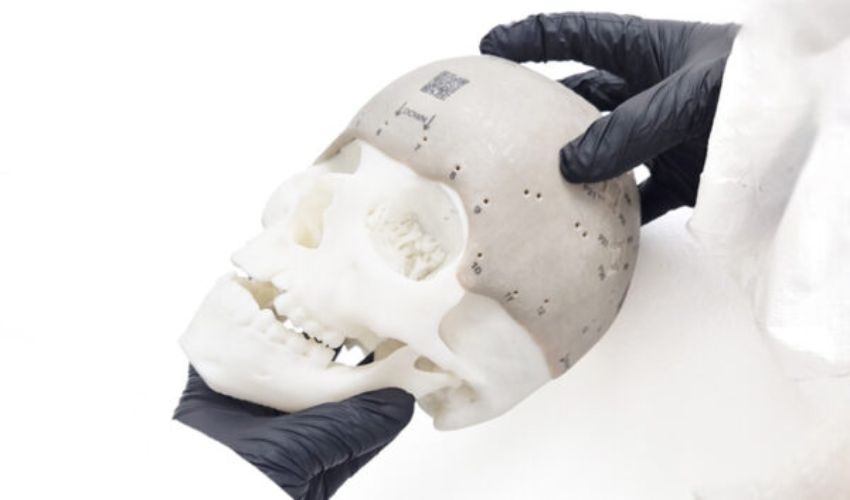 GuidesArcomedlab Develops the Largest 3D Printed Cranial Implant in the WorldThe applications of 3D printing in medicine are very varied. In this sector, we have seen great projects that make use of technology to improve the daily lives of patients and even save lives. Among these uses, we can find…
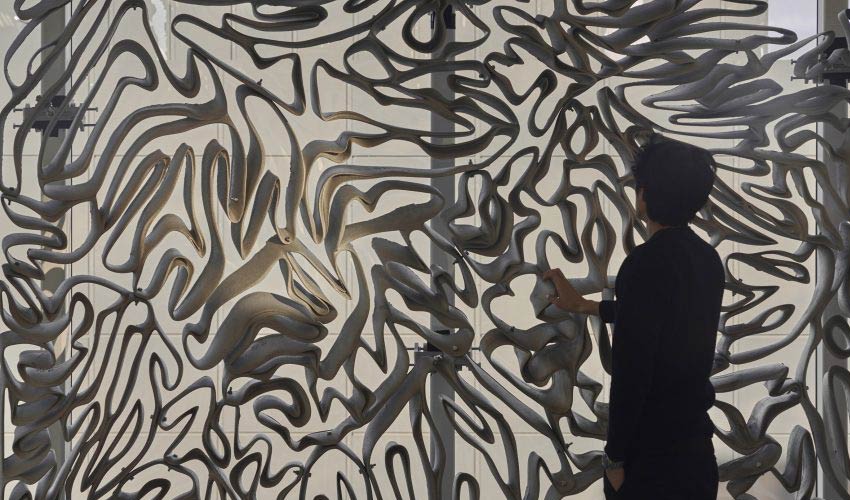 NewsA complex metal facade made with 3D printed moldsStudents from the University of Applied Sciences, ETH Zurich, created a 6 meter high, 4 meters wide metal facade from 3D printed molds. Called ‘Deep Facade’, it was made by assembling 26 articulated metal panels. The use of 3D printing…
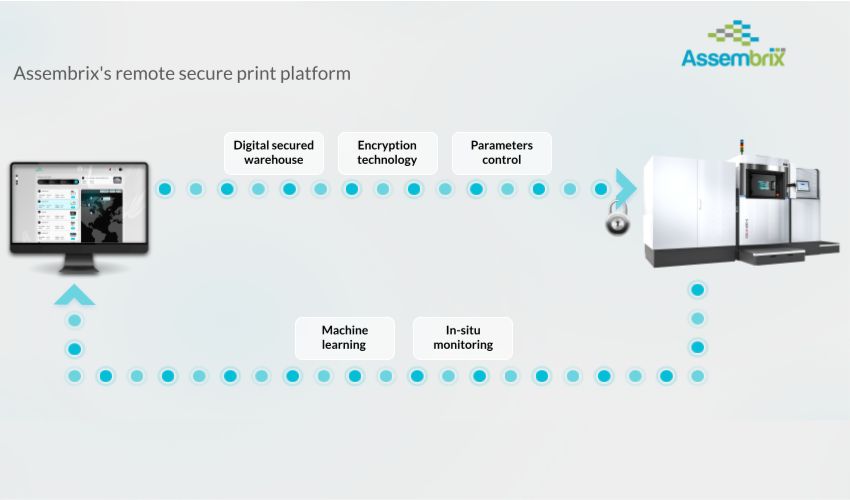 SoftwareAssembrix’s Software for Secure and Scalable Additive ManufacturingIn recent years, 3D printing hardware has advanced rapidly. However, 3D software hasn’t kept pace with this development. As a result, there has been a lack of solutions that meet growing demands for security, scalability, and network integration. This is…
 NewsPeter Lang’s 3D Printed ‘Silent Orchestra’Sound absorbers, as the name suggests, are used primarily to silence certain noises in a room, helping to ultimately improve the acoustics by reducing unwanted sound. They are used by many different interested parties, but especially musicians. At the same…
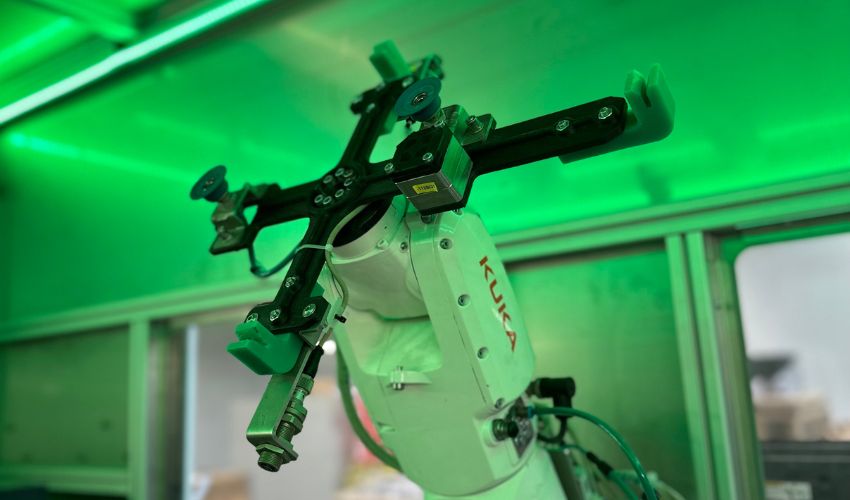 Printers#3DStartup: VENOX Systems Focuses on Durability With Its 5-axis 3D PrinterBased in Lingenau, western Austria, start-up VENOX Systems has come up with a 5-axis 3D printer capable of printing a wide range of thermoplastics, including continuous fibers. Its special feature is a head-changing system that gives access to several tools…
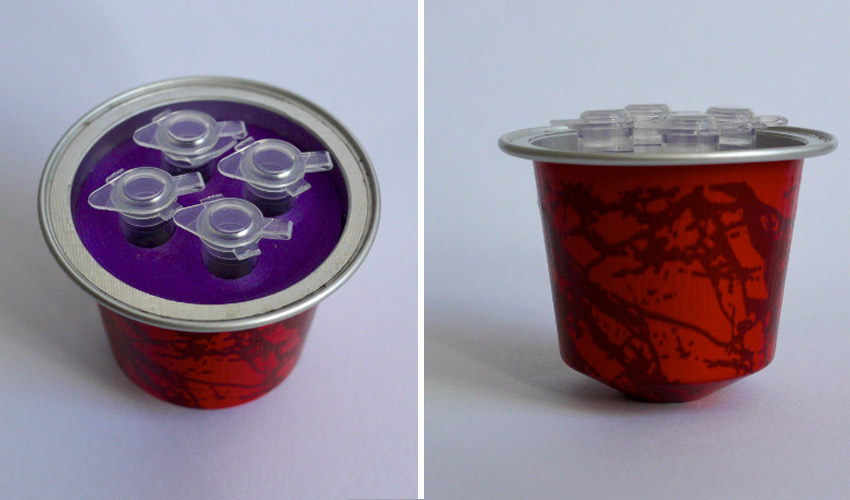 ApplicationsMeet CoroNaspresso, the COVID-19 Test in a Coffee CapsuleTesting for COVID-19 with a coffee capsule and a pan? This is the original idea of a scientist from the University of Wageningen in the Netherlands. Hoping to reduce the cost of COVID-19 detection tests currently offered on the market,…