News
A complex metal facade made with 3D printed molds
Students from the University of Applied Sciences, ETH Zurich, created a 6 meter high, 4 meters wide metal facade from 3D printed molds. Called ‘Deep Facade’, it was made by assembling 26 articulated metal panels. The use of 3D printing…
- 3 min read
- News
- Six more stories
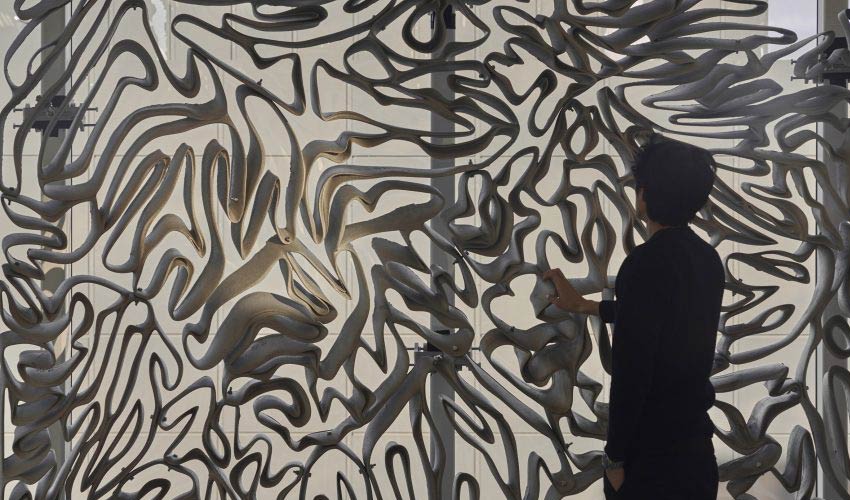
Students from the University of Applied Sciences, ETH Zurich, created a 6 meter high, 4 meters wide metal facade from 3D printed molds. Called ‘Deep Facade’, it was made by assembling 26 articulated metal panels.
The use of 3D printing to create all kinds of artistic works is now a common practice, with many artists having surpassed certain limits thanks to these 3D technologies – especially in terms of geometric freedom. They offer much more complexity in forms and opportunities for customization, especially in the architectural sector. The facade created by the students of ETH Zurich is a good illustration.
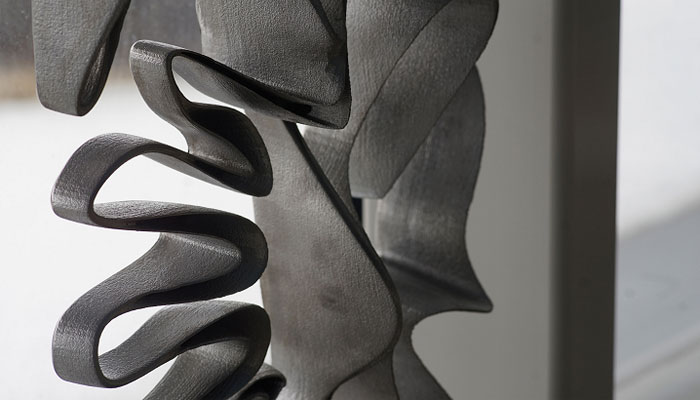
3D printed molds to create the structure
Deep Facade is an aluminum structure, composed according to its creators of sorts of metal ribbons that connect to each other in an organic way, so as to recall the folds of the cerebral cortex. It was done as part of a course in architecture and digital manufacturing in order to link the geometric freedom offered by 3D printing to the structural properties of cast metal. Aghaei Meibodi, a researcher at ETH Zurich explains, “Cast metal parts have a long tradition in architecture due to their extraordinary structural properties and possible 3D form. Today, the amount of manual labor involved, especially in the mold-making process makes them too expensive. With our approach using a 3D-printed mold, we make it possible and affordable again to fabricate bespoke structural metal parts — parts with unseen richness of detail and geometric complexity,”
More from the desk
Six other notes from the rest of the bench.
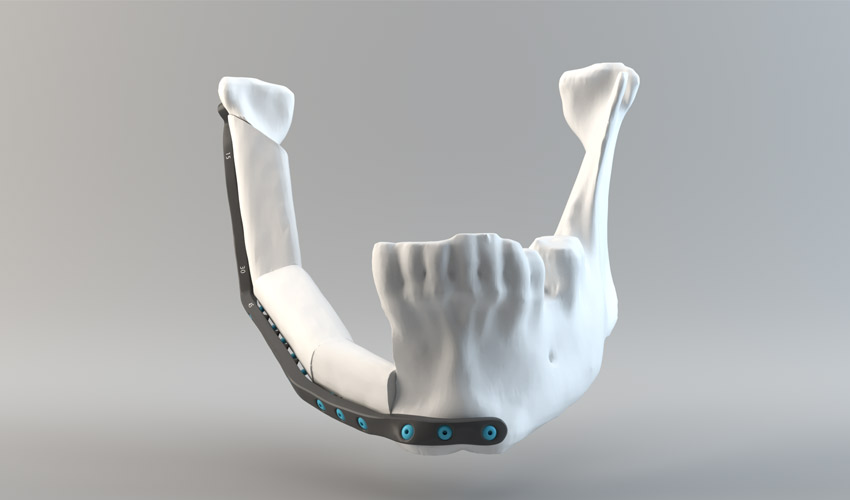 ApplicationsCRIQ develops custom 3D printed jaw implantsThe Industrial Research Center of Quebec (CRIQ) recently acquired an Arcam EBM Q10plus 3D printer. It is an industrial machine based on electron beam melting technology. This acquisition should allow researchers to accelerate the development of lower jaw implants. Plus further tr
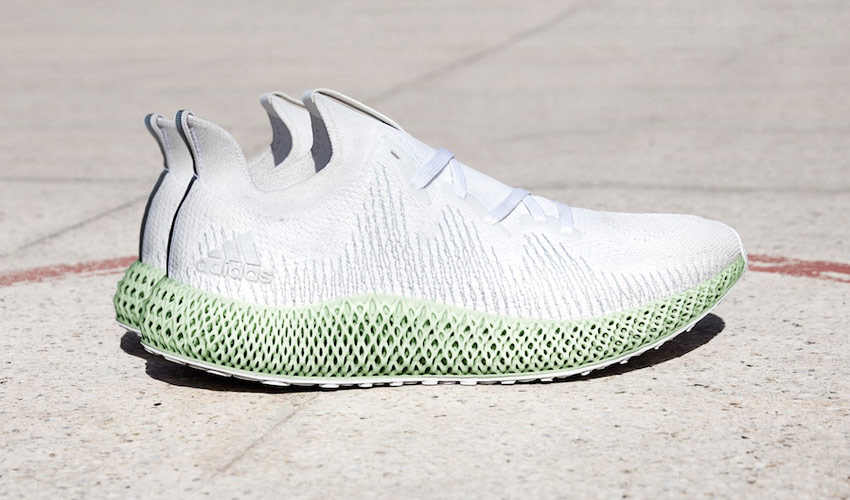 NewsAdidas Alphaedge 4D, a sneaker mixed between tradition and 3D printingThe sports equipment giant Adidas launched its latest basketball designed in part with 3D technologies. Its model named Alphaedge 4D FW18 features the Adidas 4D, a 3D printed midsole from the technology developed by Carbon. This sole takes the form of a reticular…
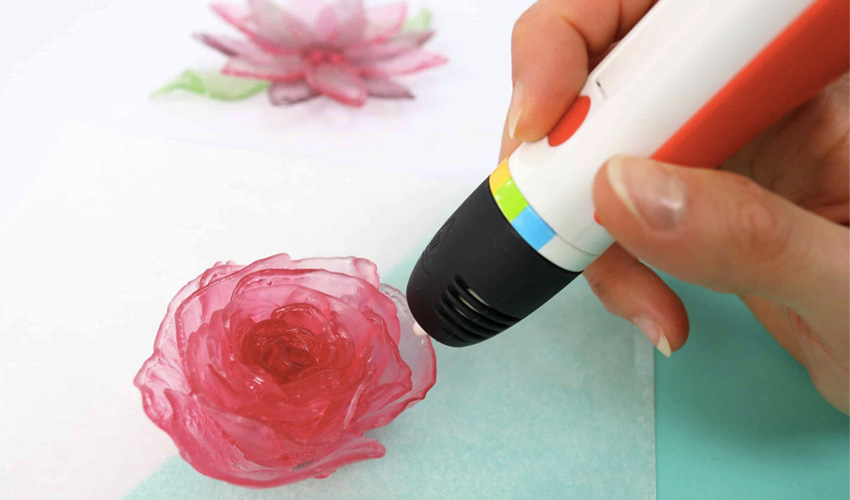 NewsCandy Play, Polaroid’s New 3D Pen That Makes CandyBecause of their ease of use, functionality and material compatibility, 3D pens are becoming increasingly popular in the additive manufacturing market. Based on the FDM process, 3D pens are for some an alternative to desktop 3D printers, although the finishes…
 ApplicationsHRE3D+, the second-generation of the world’s first 3D printed titanium wheelLast week Rapid + TCT 2019, one of the most important events in additive manufacturing, came to an end. The second-generation of the first 3D printed wheel made of titanium – the HRE3D+ on a 2019 Ford GT – was…
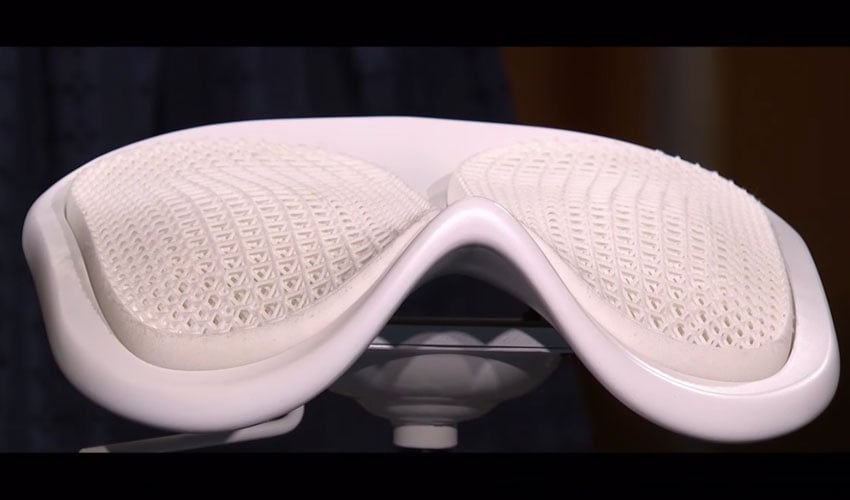 NewsIKEA customizes gaming chairs using 3D printingSwedish furniture giant IKEA has announced a partnership with UNYQ, a specialist in 3D printing who manufactures medical prostheses. Together, they want to create more ergonomic, personalized and interactive video game equipment, a goal that could be achieved by using…
 Applications3D Printed E-Ring Can Monitor Glucose Levels on a PhoneResearchers from the National and Kapodistrian University of Athens have developed a 3D printed electrochemical ring (e-ring) that enables diabetics to monitor their glucose levels from a smartphone. This allows the user to monitor their blood sugar levels just by…