Printers
#3DStartup: VENOX Systems Focuses on Durability With Its 5-axis 3D Printer
Based in Lingenau, western Austria, start-up VENOX Systems has come up with a 5-axis 3D printer capable of printing a wide range of thermoplastics, including continuous fibers. Its special feature is a head-changing system that gives access to several tools…
- 3 min read
- Printers
- Six more stories
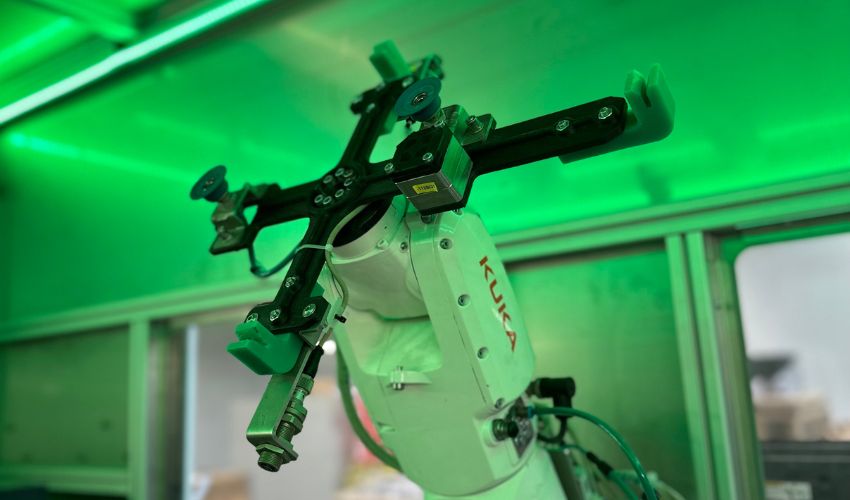
Based in Lingenau, western Austria, start-up VENOX Systems has come up with a 5-axis 3D printer capable of printing a wide range of thermoplastics, including continuous fibers. Its special feature is a head-changing system that gives access to several tools for different manufacturing options. In developing this machine, the startup aims to meet strength challenges in additive manufacturing. Indeed, it would be capable of depositing fibers – carbon, glass, aramid – along the part’s load path, thus offering a very interesting weight-to-strength ratio for many industries. We met the co-founder of this young Austrian company, Nicolai Wampl, to find out more about this printing process and its possible applications.
3DN: Could you introduce yourself and tell us about your connection to additive manufacturing?
My name is Nicolai Wampl and I’m co-founder of VENOX Systems. My journey with additive manufacturing began when I met the other co-founders of VENOX. They had developed a 3D printing system capable of printing with thermoplastic materials and continuous fibers. After overcoming the initial challenges, we sought financial support to bring our technology to an industrial level. Obtaining funding under an Austrian program marked a decisive turning point for our company.

The VENOX Systems team
3DN: How did the idea for VENOX Systems come about?
A few years ago, when industrial 3D printing was starting to go mainstream, we took a look at the obstacles preventing 3D printing from competing with traditional manufacturing. We identified three major problems with FDM/FFF technology: part strength, manufacturing speed and surface quality. We set out to solve the first problem: strength.
More from the desk
Six other notes from the rest of the bench.
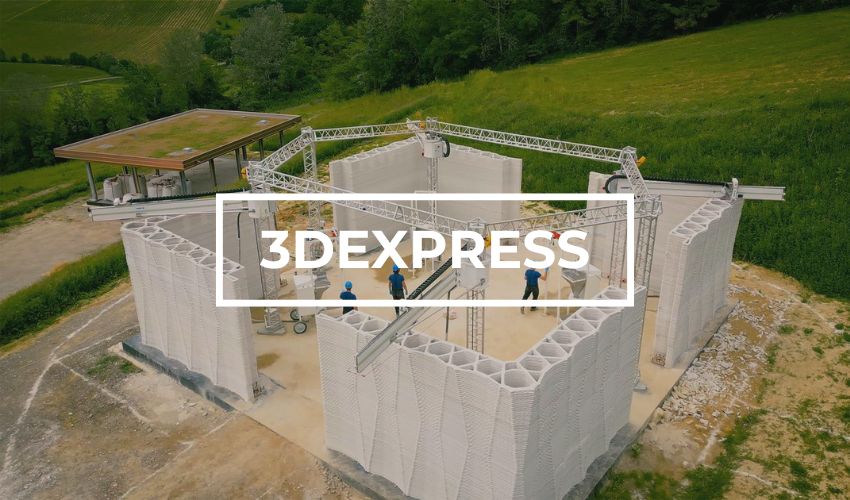 News3DExpress: A Self-Regulating 3D Printed House Is Going Up in ItalyThis week’s 3DExpress kicks off in Italy, where WASP has completed the 3D-printed walls of Itaca: a self-sufficient farm and living model built around a circular micro-economy. We then turn to VulcanForms, which has raised $220 million to scale its…
 Softwareflyingshapes° releases next-generation virtual reality CAD solutionThe company flyingshapes° has released a next-generation virtual reality CAD solution. You might ask what is VR CAD – the concept is in fact quite original, in short it relates to drawing 3D objects with controllers in your hands, instead…
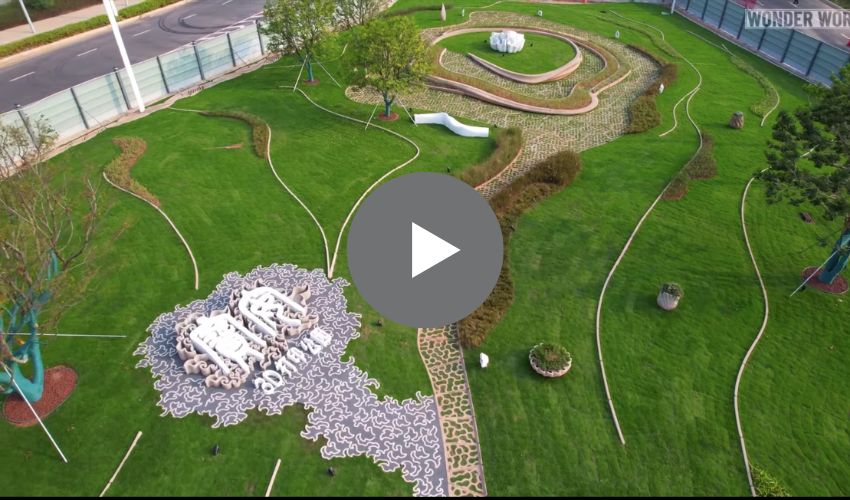 NewsTop 5: The World’s First 3D Printed Concrete ParkHello everybody and happy Sunday! We hope you are enjoying the end of October. For your top 5 videos this week, we have collated a list of some of the most exciting projects and talks, including the world’s first 3D…
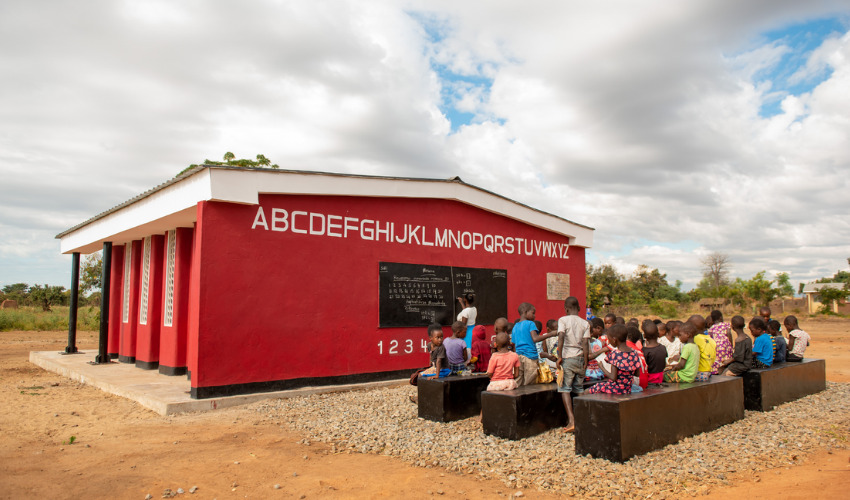 MaterialsThe First 3D-Printed School Has Opened its Doors in MalawiClass is in session at the world’s first 3D-printed school. Located in Malawi, the school was built by 14Trees, a joint venture between Holcim and the UK’s CDC Group, using a BOD2 printer from Danish 3D construction robot printer company…
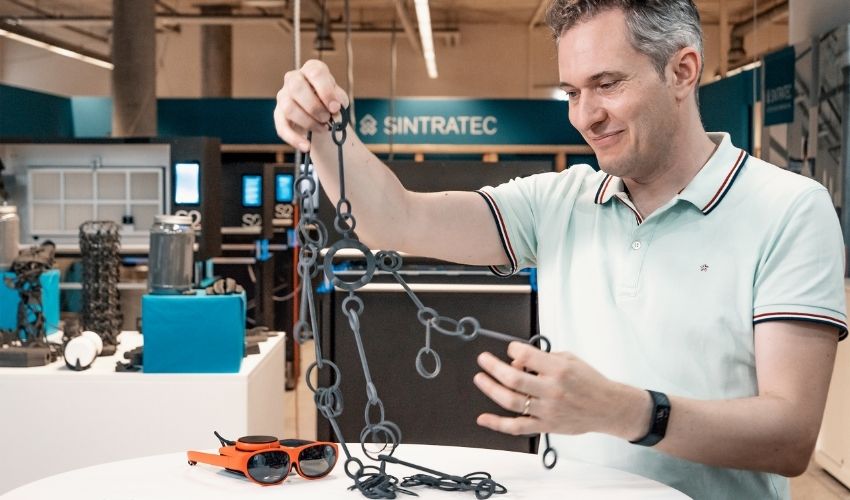 NewsSintratec Uses Augmented Reality & 3D Printing to Create an Immersive Learning ExperienceEducators are continuously researching new teaching methods to implement in the classroom in order to keep students engaged and reduce the monotony of learning. And what better way to keep the attention of pupils than to incorporate interesting new technologies…
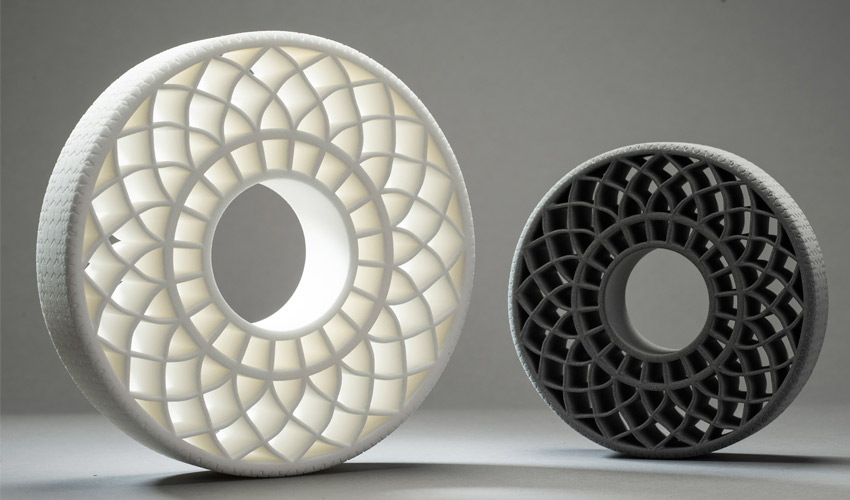 MaterialsAll You Need to Know About Nylon for 3D Printing3D printing nylon (polyamide) is a strong, stretchy artificial material made from synthetic polymers. Often fashioned into bristles, fabric, or sheets, and used especially in textiles and plastics, it is one of the most widely used polymers in the additive…