Guides
#3DStartup: PERFI’s Volumetric 3D Printing Platform for Personalized Medical Devices
Personalization is one of 3D printing’s biggest promises, yet in medical applications it’s still slowed down by long lead times and heavy post-processing. PERFI Technologies is flipping that script. Instead of building parts layer by layer, the startup uses volumetric…
- 3 min read
- Guides
- Six more stories
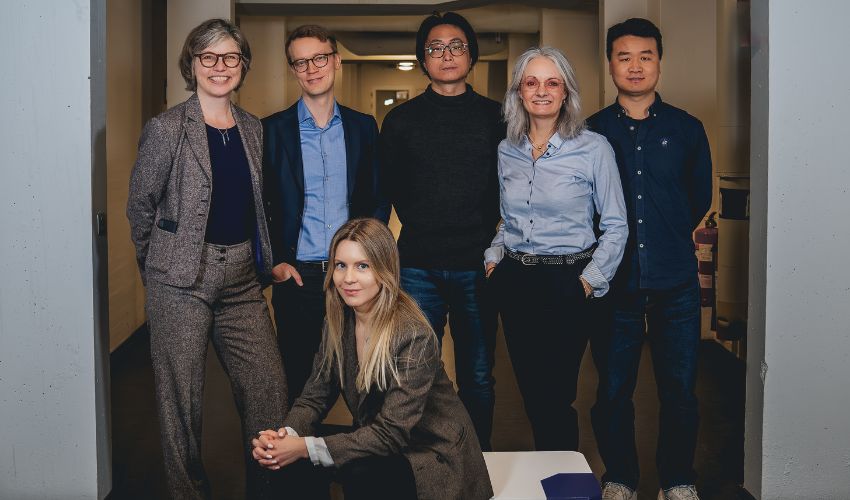
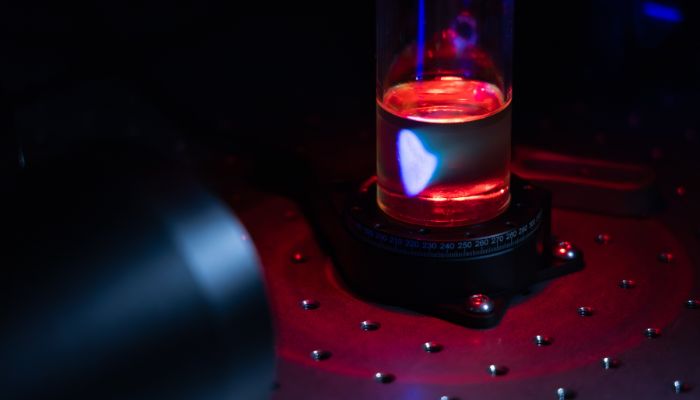
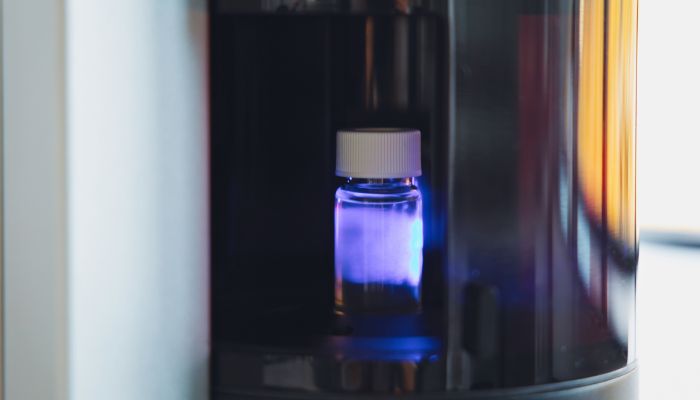
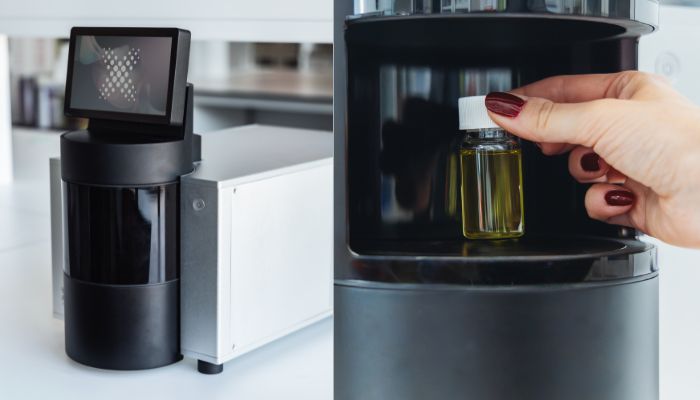
Personalization is one of 3D printing’s biggest promises, yet in medical applications it’s still slowed down by long lead times and heavy post-processing. PERFI Technologies is flipping that script. Instead of building parts layer by layer, the startup uses volumetric additive manufacturing to produce fully formed, custom medical components in seconds. Starting with audiology and dental care, PERFI is targeting applications where speed, precision, and personalization actually matter. We sat down with the PERFI team to unpack how the technology works, why audiology and dental came first, and what volumetric AM could unlock next.
3DN: For those who may not be familiar with PERFI, can you briefly introduce the company and explain your mission in the additive manufacturing space?
3DN: Can you each introduce yourselves and share what led you into the world of additive manufacturing and the development of volumetric AM?
3DN: PERFI has reimagined 3D printing by moving away from the classic layer-by-layer approach. What sparked the idea for volumetric additive manufacturing, and when did you know it had real market potential?
3DN: Turning a breakthrough idea into a real product is always a journey. What were the biggest milestones that made you think, “Okay, this is ready for the industry,” and what was one challenge, whether technical, regulatory, or cultural, that most shaped that process?
3DN: You have started in audiology and dental care, two fields that rely heavily on precision and personalization. What makes these sectors the right starting point for VAM?
3DN: Every breakthrough comes with challenges. What is one real-world obstacle, whether technical, regulatory, or cultural, that has shaped PERFI’s evolution?
3DN: Your technology is often described as 20 to 50 times faster than traditional AM with no supports and high surface quality. What are the current limits of VAM, and what improvements are you working toward next?
3DN: In a rapidly growing AM landscape, what is one thing you wish more people understood about volumetric 3D printing and how it differs from other technologies?
3DN: To conclude, if you had to describe PERFI’s approach in one word, what would it be?
What do you think of PERFI Technologies? Let us know in the comments below or on our LinkedIn or Facebook pages. Plus, don’t forget to sign up for our free weekly Newsletter to get the latest 3D printing news straight to your inbox, and check out our YouTube channel for all latest videos.
All Photo Credits: PERFI
More from the desk
Six other notes from the rest of the bench.
 PrintersAnycubic Launches Two New Ranges of FDM and LCD 3D PrintersWe are not far into 2022, and already we have seen the 3D printing market flourish. Between mergers and acquisitions and a number of exciting launches, the additive manufacturing sector seems healthier than ever. Now, in the latest news, Anycubic…
 NewsTop 5 Videos: 3D Technology Used in Food Production PlantsIn this weekly compilation of videos on 3D printing, we will focus on several industries that have adopted additive manufacturing methods. We will start with the food and beverage sector, as 3D technology is increasingly being implemented in food production…
 NewsDLP Can Be Used for the Creation of Better Rubber PartsDigital Light Processing (DLP) is one of the major 3D printing technologies available today. A type of photopolymerization, it essentially consists of the use of a video projector to cure photosensitive resins. The technology is popular both for its speed…
 NewsLines Manufacturing Is Combining Large Format and High Speed in Its Industrial 3D PrinterFounded in 2019, French start-up Lines Manufacturing intends to make its mark on the large-format additive manufacturing market with its Lines SONIC solution. The special feature of this FGF machine is the printing speed it can achieve, even on large…
 NewsUniversity of Buffalo Uses $2.3 Million NSF Grant to Advance AI in ManufacturingAt the core of 3D printing and other technologies in Industry 4.0 is the idea that we need to improve on traditional manufacturing. Now, a University of Buffalo research team is hoping to do just that thanks to a $2.3…
 Materials#3DStartup: Glassomer, advancing 3D glass printingGlassomer is a German startup that has developed a 3D glass printing technology. A method that we had already discussed in the case of an MIT project. As a result, this young company based in Freiburg, Germany, has decided to…