News
University of Buffalo Uses $2.3 Million NSF Grant to Advance AI in Manufacturing
At the core of 3D printing and other technologies in Industry 4.0 is the idea that we need to improve on traditional manufacturing. Now, a University of Buffalo research team is hoping to do just that thanks to a $2.3…
- 3 min read
- News
- Six more stories
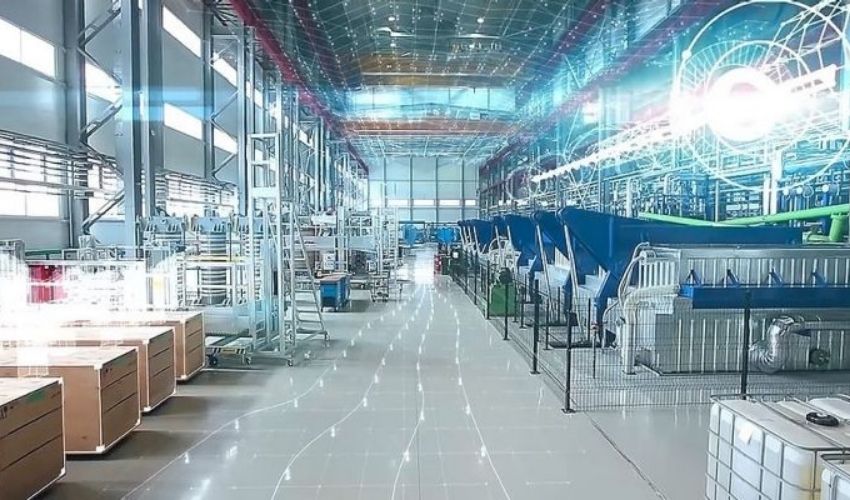
At the core of 3D printing and other technologies in Industry 4.0 is the idea that we need to improve on traditional manufacturing. Now, a University of Buffalo research team is hoping to do just that thanks to a $2.3 million National Science Foundation grant. The team is working to help manufacturing systems, including those using 3D printing, modernize by putting the complex steps and processes that define them under computer systems. They are aiming namely at simplifying production of commercial products as well as educational outreach.
The framework for the project, named STREAM by the researchers, includes the use of artificial intelligence, simulation and other technologies. The researchers hope to create a public online repository in order to have researchers and professional share experience and information on data, models and more. In addition, it aims to complete three research tasks: creating software for efficient communication and computing in cyber-manufacturing systems; creating a modeling system for accurate and efficient process control; and creating a simulation and production control system for “continuous improvement of quality, manufacturability, and productivity of future multistage and distributed manufacturing systems.”

The project is being led by researchers from the University of Buffalo (photo credits: UB-SPPS, CC BY-SA 4.0, via Wikimedia Commons)
Why Have “Cyber-Manufacturing” Systems?
This is hardly the first time we have seen the benefits of artificial intelligence brought to additive manufacturing. Both are considered part of Industry 4.0 and AI has been shown to bring concrete benefits to software in 3D printing for more optimized parts. In fact, as AM industrializes, we are seeing more and more software that are integrating concepts like AI and machine learning. The project is also logical for the University of Buffalo as the school wishes to be a worldwide leader in advanced manufacturing with a particular focus on advancing Industry 4.0.
More from the desk
Six other notes from the rest of the bench.
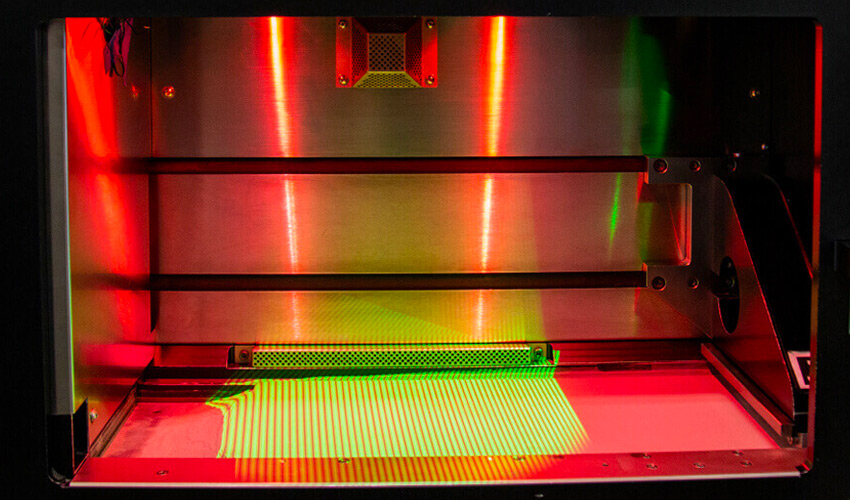 Guides#3DStartup: Phase3D and its Real-Time Inspection Solution for 3D PrintingA key issue in the additive manufacturing industry is the quality of the final parts. Depending on the 3D printing technology used and the intended application, this could be more or less affordable. Furthermore, when it comes to powder bed-based…
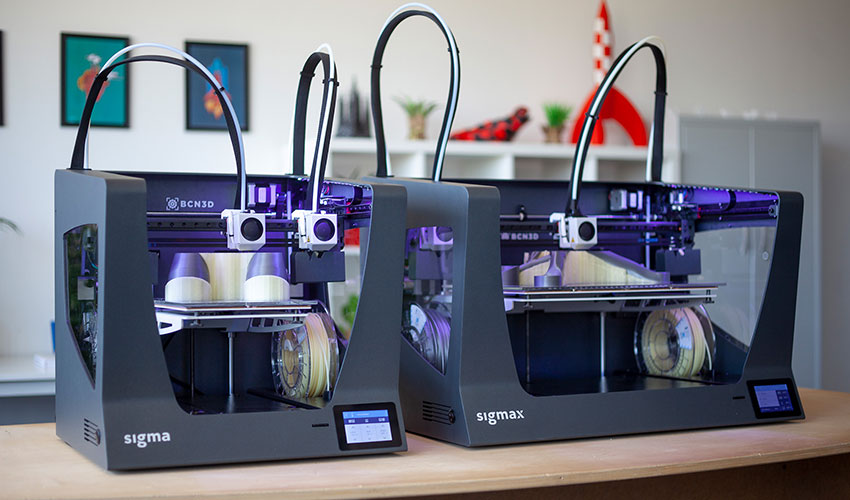 NewsBCN3D announces $3M in funding to boost its leadership in the IDEX 3D printing technologyThe last few months have been full of novelties for the Spanish company BCN3D. After the launch in 2018 of their new 3D printers, the Sigma R19 and the Sigmax R19, they are starting 2019 just as strong. In fact,…
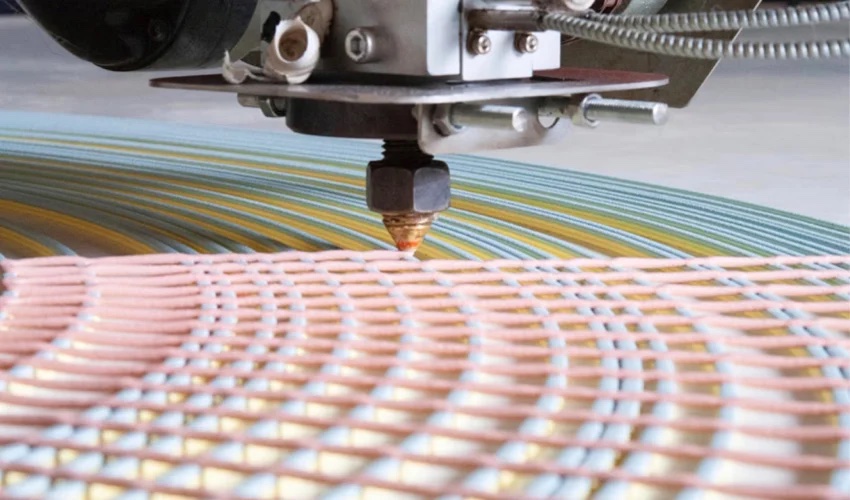 NewsParhelion, the 3D Printed Mural That Combines Art and AcousticsThe use of 3D printing in interior design enables the creation of customized, durable and highly functional pieces. Furthermore, AM gives designers the freedom to experiment with shapes, textures and colors impossible to achieve using traditional methods. This is what…
 GuidesCytosurge, 3D metal printing on a microscaleDirect 3D printing of metals with submicron resolution is a promising additive manufacturing technique for a wide range of sectors. The FluidFM µ3Dprinter from Cytosurge is the world’s first 3D printer capable of delivering such resolution in direct metal printing, while…
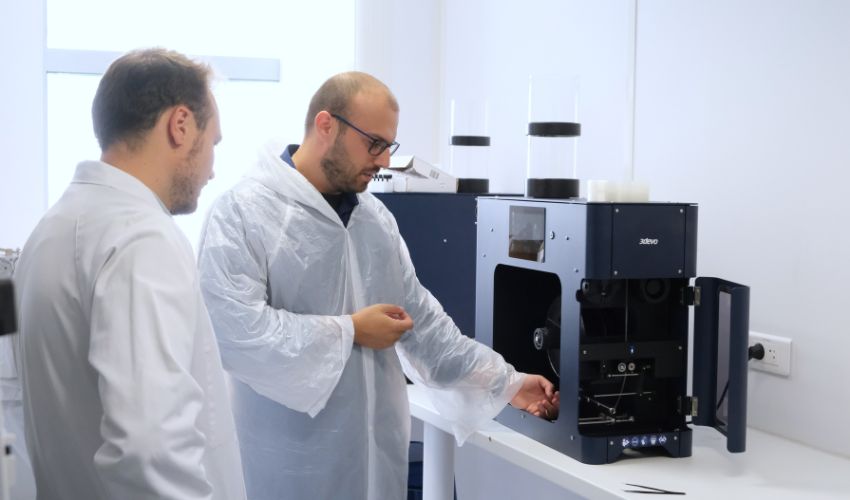 MaterialsFrom Idea to Application: How 3devo Accelerates Material Innovation with Filament Maker TWOSince 2016, the Dutch company 3devo has been developing innovative solutions to accelerate the research, testing, and development of polymer materials. Known for its compact, all-in-one extrusion systems featuring a signature vertical extrusion design, the company offers machines
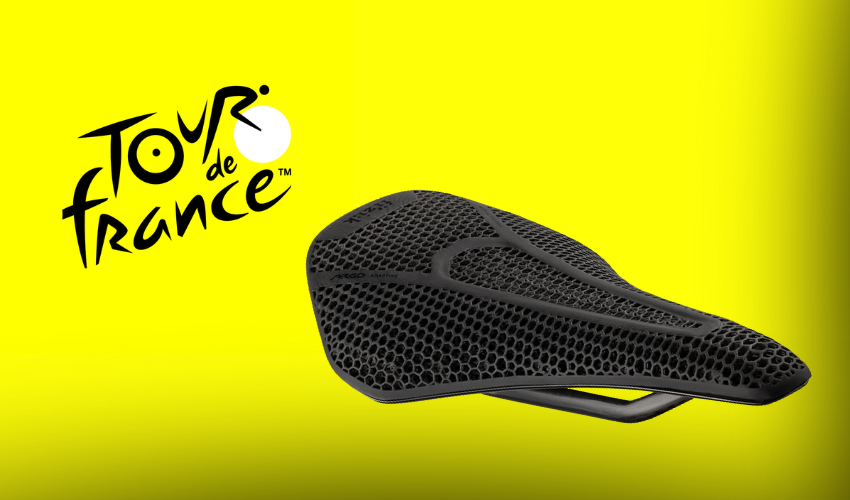 NewsA 3D Printed Saddle Rode to the Finish Line at the Tour de FranceThrough the excitement and fanfare of the last stage of the Tour de France, one of the quiet stars of the competition didn’t even pedal at all. Beneath Slovenian cyclist and Tour de France Winner Tadej Pogačar, a sleek $400…