Printers
Anycubic Launches Two New Ranges of FDM and LCD 3D Printers
We are not far into 2022, and already we have seen the 3D printing market flourish. Between mergers and acquisitions and a number of exciting launches, the additive manufacturing sector seems healthier than ever. Now, in the latest news, Anycubic…
- 3 min read
- Printers
- Six more stories
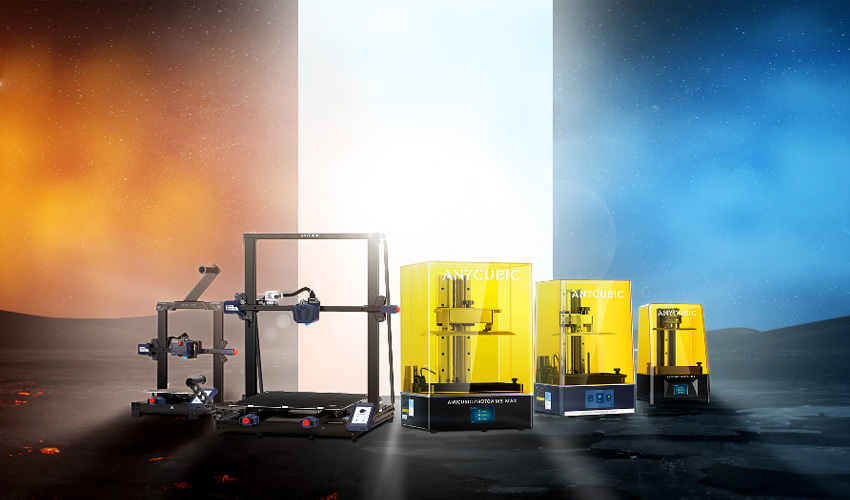
We are not far into 2022, and already we have seen the 3D printing market flourish. Between mergers and acquisitions and a number of exciting launches, the additive manufacturing sector seems healthier than ever. Now, in the latest news, Anycubic has announced its own launch of two new 3D printer ranges. The leading Chinese 3D printer manufacturer will be releasing Anycubic Kobra and Photon M3 Series as well as some ecological products, the Anycubic Photo Nex, Anycubic Water-Wash Resin+ and Anycubic AirPure.
Anycubic has grown immensely since its founding in 2015. Known, of course, for their affordable 3D printing solutions which are targeted to a variety of customers including, but not limited to consumers, hobbyists, designed and schools, they have put an emphasis on innovation in recent years. Just last year at TCT 2021, they unveiled new disruptive products including Anycubic Photon Ultra and Vyper, which was Anycubics first FDM printer with fully automatic levelling. These latest releases are expected not only to upgrade further these lines but also to expand possibilities for users from all walks of life, allowing them to “unleash their imagination and turn creativity into reality.” But what exactly can you expect from these newest products?
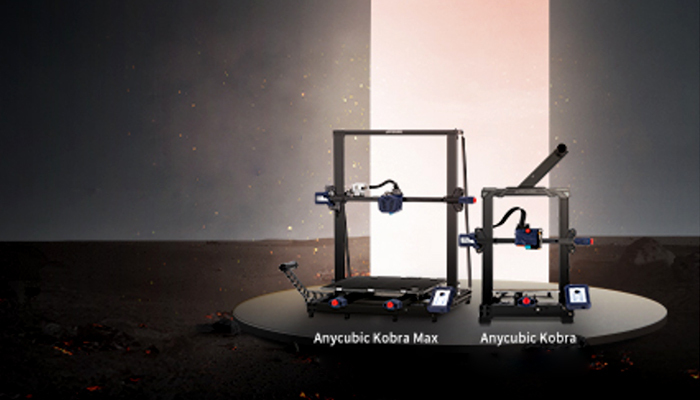
The two printers from the new Kobra line (photo credits: Anycubic)
A Closer Look at the Anycubic Kobra and Photon M3 series
First up, Anycubic’s newest range of FDM printers. Named Kobra, the series consists of the Anycubic Kobra and Anycubic Kobra Max. According to Anycubic, the Kobra printers have been designed to the bed-leveling process thanks to the new Anycubic LeviQ smart leveling system. With this, the printers should automatically adjust any unevenness, eliminating the need to calibrate manually.
More from the desk
Six other notes from the rest of the bench.
 SoftwareWhat is a G-Code and What is its Use in 3D Printing?As we know, additive manufacturing goes far beyond simply turning on the machine and pushing a button. There are many steps behind this process, from the design of a part to its final post-processing, and all the steps in-between. One…
 Guides#3Dstartup: CASTOR on unlocking the benefits of industrial 3D printingOur 3D startup of the month, CASTOR, comes from Israel and has developed a software solution to help manufacturers reduce their lead times and manufacturing costs in 3D printing. Its objective is to take advantage of all the benefits of…
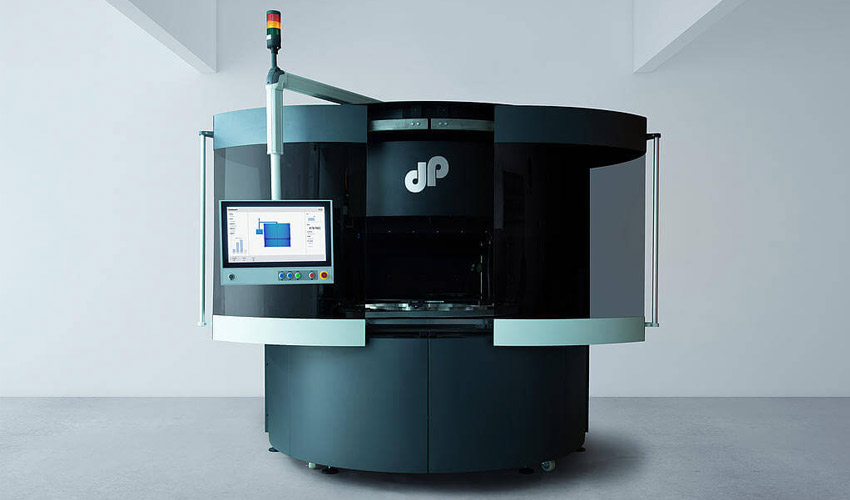 Guides#3Dstartup: dp polar develops AM system with continuously rotating platformBased in Germany, our startup for June is dp polar! The company has developed the first industrial 3D printer with a rotating printing build plate. Instead of having a print head that moves to deposit the material layer by layer,…
 ApplicationsU.S. Marine Corps Awards 3YOURMIND and Phillips Corp. $2.5M Contract to Enhance Additive Manufacturing Capabilities3YOURMIND and Phillips Corp. Federal Division have recently announced their partnership with Marine Corps System Command’s Advanced Manufacturing Operations Cell (AMOC) to enhance digital additive manufacturing (AM) capabilities. The collaboration aims to integrate 3YOURMIN
 NewsTop 5 Videos: Slicing Resin 3D Prints and Avoiding Print FailuresWelcome to our compilation of this week’s most compelling 3D printing highlights. We kick off this week’s edition with our very own video, providing essential tips for resin slicing and 3D printing, complemented by a demonstration of solid printing techniques…
 NewsTOP 5 videos of the week: Furniture, the great beyond and more!A new selection of the best 3D printing videos of the week, just for you! Find our TOP 5 videos of the week below and tell us what your favorite video is in a comment or on our Facebook and Twitter page.…