News
#3DExpress: Enhanced Ocean Conservation Through 3D Printing
We are back with #3DEXPRESS to show you all the highlights of the news from the additive manufacturing sector this week! First up, QOROX partners with CyBe Construction to leverage 3D printing for artificial reefs, promoting biodiversity and habitat reconstruction…
- 3 min read
- News
- Six more stories
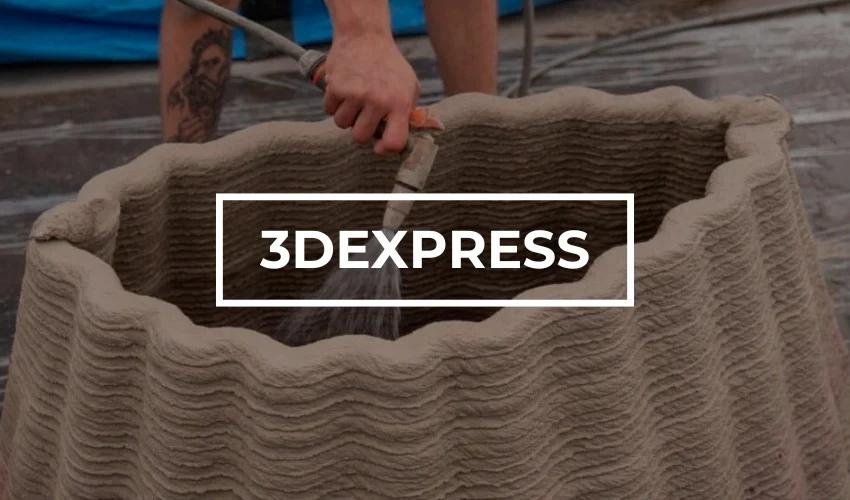
We are back with #3DEXPRESS to show you all the highlights of the news from the additive manufacturing sector this week! First up, QOROX partners with CyBe Construction to leverage 3D printing for artificial reefs, promoting biodiversity and habitat reconstruction for various marine species. Next, American company Honeywell has turned to French manufacturer Prodways to improve the manufacturing process for its turboprop engines. Moving forward, NEVO3D and KIMYA launch a new material for the rail industry, harnessing the benefits of 3D printing for repairs. Wrapping up, Solukon updates its SFM-AT350 Solution, enhancing the system with various upgrades. Let’s get started!
3D Printing and Ocean Conservation
3D printing is increasingly being leveraged to preserve our planet, develop recycling solutions, and protect our oceans and biodiversity. A notable example of this is the project led by Eke Panuku and QOROX in New Zealand, which demonstrates the innovative potential of concrete 3D printing. Collaborating with CyBe Construction, the two partners have created artificial coral reefs, which serve as microhabitats for various marine species. These 3D printed marine crustaceans provide essential shelter, contributing to ocean conservation of marine ecosystems.
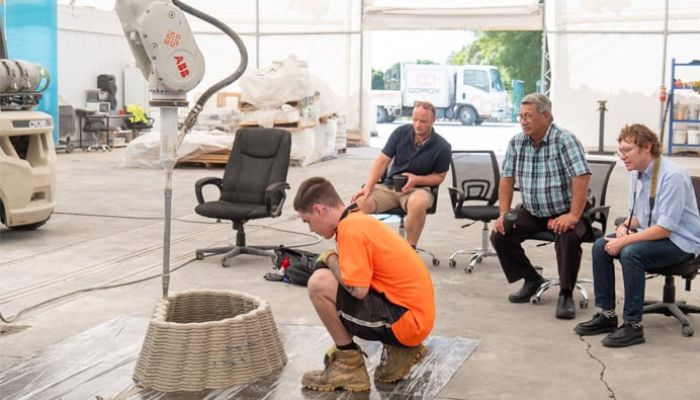
(Photo Credits: QOROX)
Honeywell Partners with Prodways
American company Honeywell, known for its solutions in the nuclear, aerospace, and construction sectors, has turned to French manufacturer Prodways to improve the manufacturing process for its turboprop engines. The company turned to ceramic 3D printing technology to design molds for turbine blades. Prior to using additive manufacturing, Honeywell used the conventional lost-wax casting process, which was much more time-consuming and costly. The teams explain that they can now manufacture a turbine blade in 7 to 8 weeks, compared with one to two years previously! Additionally, these 3D printed molds are more resistant to wear and corrosion, and enable a whole series of tests and validations to be carried out much more easily.
More from the desk
Six other notes from the rest of the bench.
 NewsAdditive manufacturing is gradually growing in the Oil industryThe consulting firm GlobalData recently published a study on additive manufacturing in the Oil & Gas industry, which reveals that the sector is expected to reach $32 billion worldwide by 2025, and over $60 billion by 2030. These are very…
 ApplicationsVelo3D Works to Overcome Barriers to Allow Aerospace Companies to Integrate Metal Additive ManufacturingWhen we discuss industries using additive manufacturing, one that always comes to mind is aerospace. Since the advent of 3D printing technologies, the sector has strived to adopt and integrate AM thanks to benefits like weight optimization and cost reduction.…
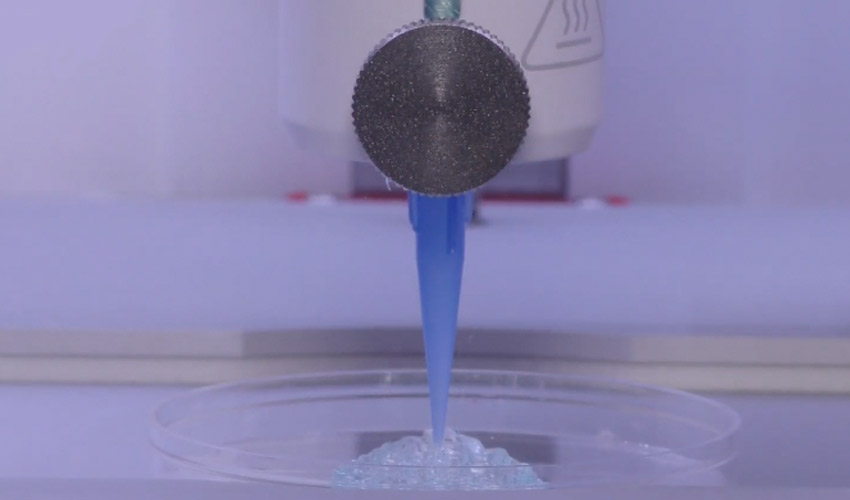 ApplicationsA team of scientists bioprinted a vascularized skin graftResearchers at Rensselaer Polytechnic Institute in New York and Yale Medical School have bioprinted vascularized skin tissues, which were successfully tested on a mouse. Apparently, the skin managed to connect to the animal’s blood vessels. For the medical sector, this&hell
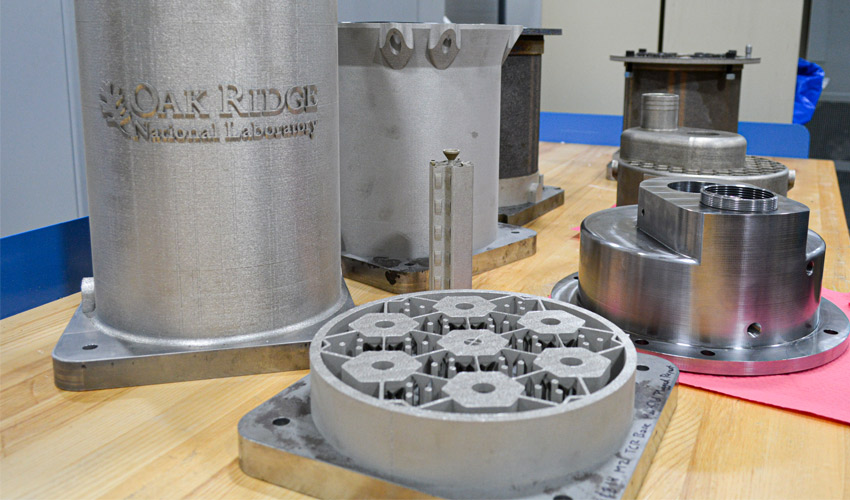 NewsORNL designs the first 3D printed nuclear reactorAt Oak Ridge National Laboratory (ORNL), a team of researchers is continuing its research to build a 3D printed nuclear reactor: they have designed the reactor core and intensified the entire additive manufacturing process to validate the reliability of the…
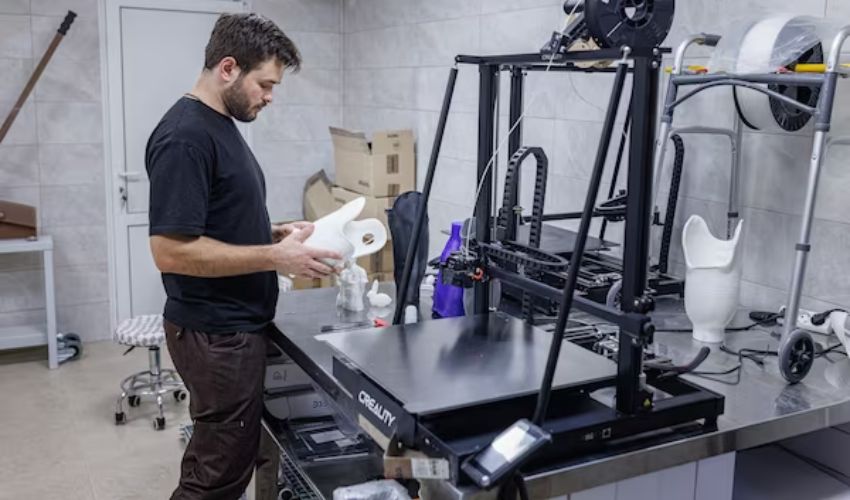 Applications3D Printed Prosthetic Limbs Help Ukrainians Live Normal Lives or Rejoin the FightAmidst the daily brutality of life in wartime, one is often forced to look for the silver linings to make a dismal situation a bit brighter. But it is from such tales of bravery and courage in the face of…
 News$28 Million Invested in Mosaic ManufacturingThe additive manufacturing industry has seen some turbulence over the last several months. We have seen layoffs, Shapeways declared bankruptcy, and Nano Dimension has announced its intention to acquire Desktop Metal. Amidst this change, however, comes positive news: Canadian comp