Applications
A team of scientists bioprinted a vascularized skin graft
Researchers at Rensselaer Polytechnic Institute in New York and Yale Medical School have bioprinted vascularized skin tissues, which were successfully tested on a mouse. Apparently, the skin managed to connect to the animal’s blood vessels. For the medical sector, this&hell
- 3 min read
- Applications
- Six more stories
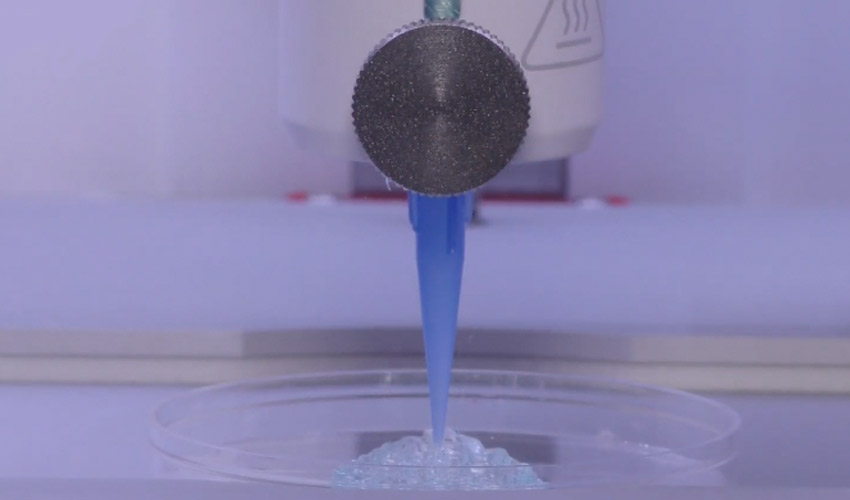
Researchers at Rensselaer Polytechnic Institute in New York and Yale Medical School have bioprinted vascularized skin tissues, which were successfully tested on a mouse. Apparently, the skin managed to connect to the animal’s blood vessels. For the medical sector, this advance could well solve the challenges associated with the rejection of grafted tissue and thus considerably facilitate all skin grafts.
3D bioprinting of skin is not new in the medical sector; many researchers are looking to reproduce skin tissues whether to treat wounds and burns, serve reconstructive surgery, or even for astronauts. On the other hand, few projects have attempted to include blood vessels in them, a method that could allow the patient to assimilate the grafted tissue much more quickly. This is what this team of American researchers, led by Pankaj Karande, associate professor of chemical and biological engineering, has done. He explains: “At the moment, everything that is available as a clinical product looks more like a sophisticated dressing. It allows accelerated wound healing, but eventually falls off. It never really integrates into the host cells.“
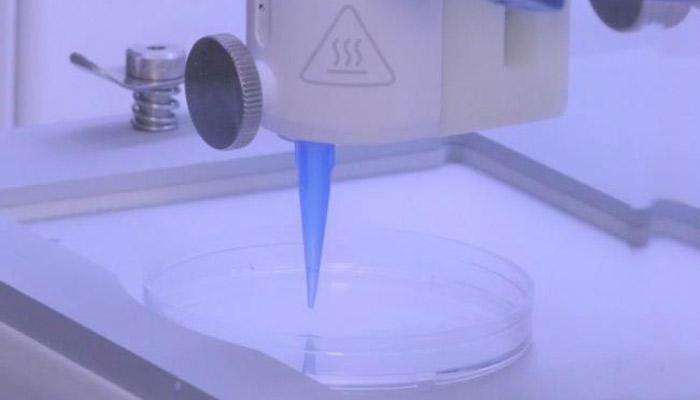
The researchers used a bioprinter to create their vascularized skin tissue
The process of creating bioprinted vascularized skin
The researchers explain that they have combined cells from human blood vessels (endothelial cells and human pericyte cells) with other materials, including collagen of animal origin and structural cells, to make a bioink. A bioprinter, CELLINK’s Bio X to be more precise, then deposited it layer by layer, and the cells began to communicate with each other and form a vascular structure within a few days.
More from the desk
Six other notes from the rest of the bench.
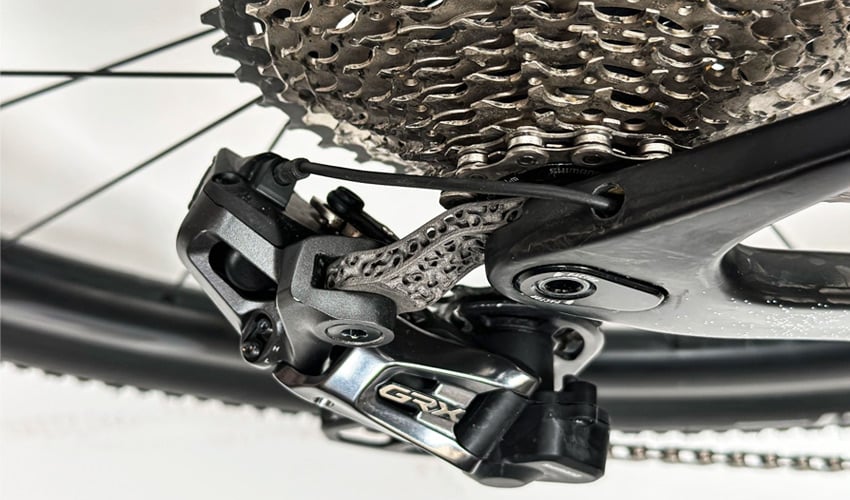 NewsSilca Is Creating 3D Printed, Titanium Derailleur Hangers for BicyclesAmong the different application sectors in which we can find additive manufacturing, there is one that stands out in particular. This is the use of 3D printing in cycling, either to create specific part or entire bicycles. Undoubtedly, this method…
 MaterialsAustralian Scheme Recycles PPE for 3D Printing FilamentThe COVID-19 pandemic devastated communities all over the world, and we are still feeling the social and medical effects today. One aspect which sometimes goes unmentioned is the excess of PPE (Personal Protective Equipment) waste: this includes masks, gloves, and…
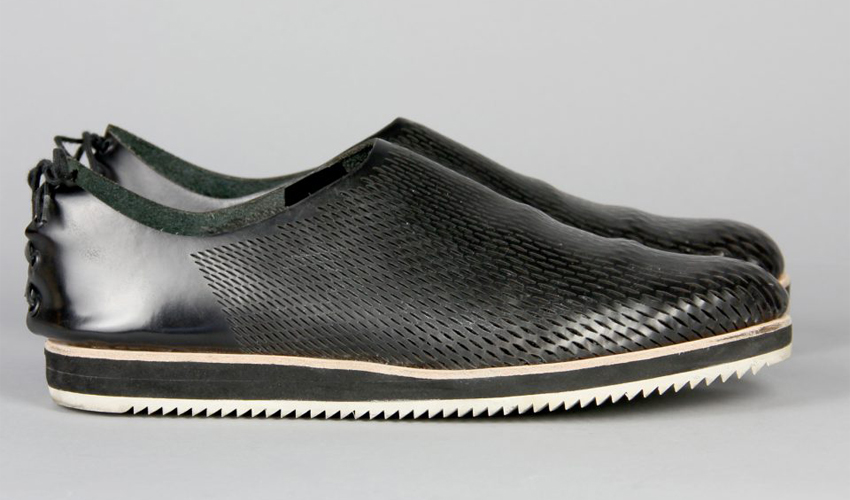 GuidesAlex Reed Shoes, mixing 3D printing with exquisite craftsmanship3D printing’s advancement has ushered in a large increase in our ability to personalise. This has been seamlessly introduced into some crafters’ arsenal, whilst those with an outdated view may be more inclined to turn their noses up at this…
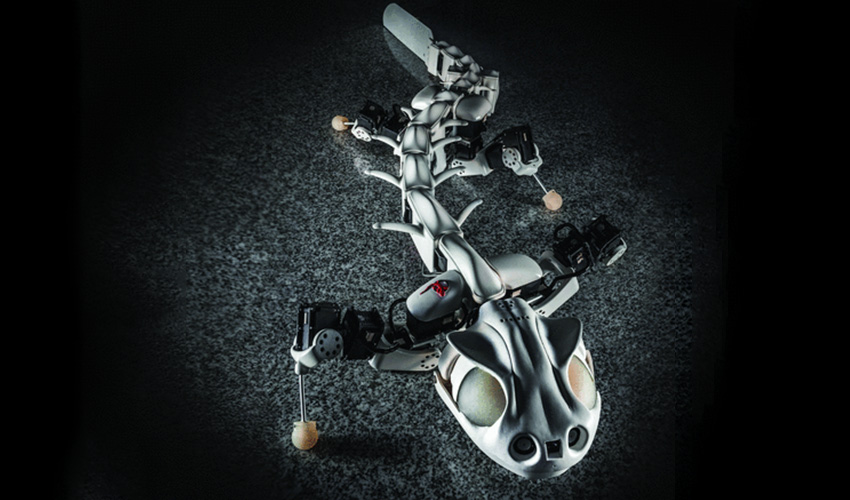 GuidesBiorobotics; creating robots that mimic the movements of natureBiorobotics is a laboratory that specialises in the development and study of biorobots that reproduce the mobility of different animals. The goal of their developments is to reproduce certain animal movements. All while gaining the capacities to learn from them and…
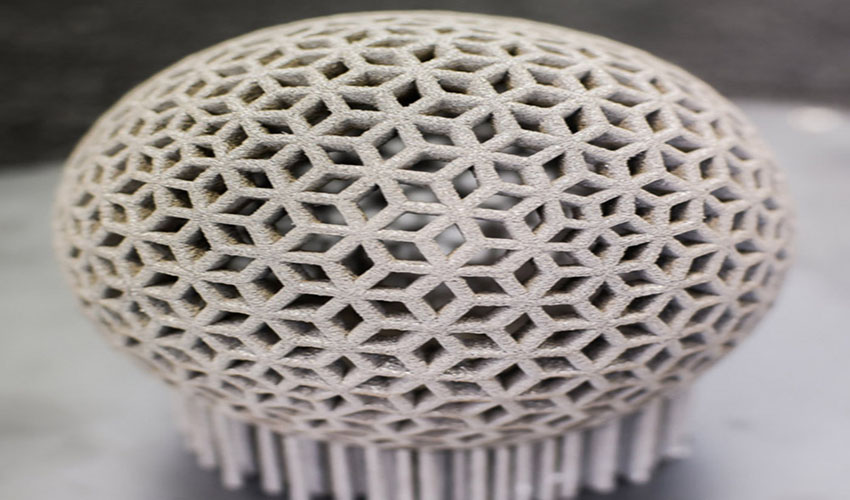 NewsAurora Labs uses its Rapid Manufacturing Technology to print metal 55 times fasterThe Australian metal 3D printer manufacturer Aurora Labs has recently revealed successful test results of its metal additive manufacturing process Rapid Manufacturing Technology (RMT). This came after the company closed a $5 million round of investment (before costs) from institu
 NewsRevenues Soar as Shipments Dip In Global 3D Printer LandscapeAccording to a study by CONTEXT, revolutionary shifts and fierce competition have set the stage for the global 3D printer industry as it experienced a mixed bag of results in their latest quarter analysis. While the allure of billion-dollar mergers…