Applications
3DExpress: Boeing Reduces Satellite Solar Array Production Time by 50% with 3D Printing
In this week’s 3DExpress, we are covering some positive industry news: first, Boeing reports that it is using 3D printing to create solar array substrates—a decision that will cut production time in half. Second, we touch on ORNL’s new research…
- 3 min read
- Applications
- Six more stories
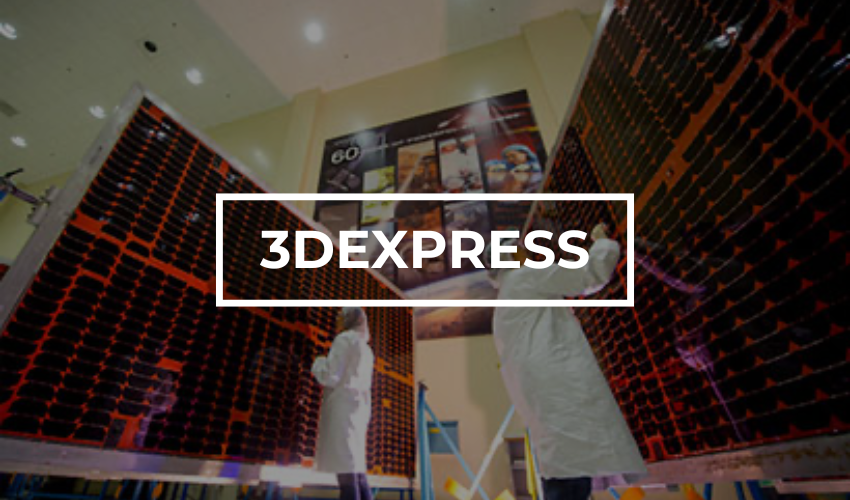
In this week’s 3DExpress, we are covering some positive industry news: first, Boeing reports that it is using 3D printing to create solar array substrates—a decision that will cut production time in half. Second, we touch on ORNL’s new research on ceramic additive manufacturing. Then, we will get into Meltio’s new AM facility in the US, Gemini’s new AI image editing software and the first Global AM Hubs Summit!
Boeing to 3D Print Solar Array Substrates for Space
Last week, Boeing announced its plans to advance satellite technology by 3D printing solar array substrates. This approach cuts build times by as much as six months, or nearly 50%, compared to traditional methods. The first of these 3D printed solar arrays will soon fly aboard small satellites built by Millennium Space Systems, incorporating high-efficiency solar cells from Spectrolab. All three entities are part of Boeing’s Space Mission Systems division, working in unison to streamline manufacturing and reduce complexity. By directly printing key structural features such as harness paths and attachment points into the solar array panels, Boeing eliminates the need for numerous parts and tooling steps, creating a more robust and easily integrated system. This process also enhances performance, reliability and scalability, from small satellites to Boeing 702-class spacecraft, and is targeted to reach the market in 2026. With over 150,000 3D printed components already integrated across its space and satellite platforms, Boeing is demonstrating how additive manufacturing can transform the aerospace industry. “As we scale additive manufacturing across Boeing, we’re not just taking time and cost out, we’re putting performance in,” said Melissa Orme, vice president, Materials & Structures, Boeing Technology Innovation. “By pairing qualified materials with a common digital thread and high‑rate production, we can lighten structures, craft novel designs, and repeat success across programs. That’s the point of enterprise additive, it delivers better parts today and the capacity to build many more of them tomorrow.”

Photo credit: Boeing
Ceramic Printing in Chemical Reactors
Researchers at Oak Ridge National Laboratory (ORNL) recently published a paper in the journal Ceramics International that is particularly interesting for 3D printing. In the study, the researchers combined binder jetting with an advanced post-processing method to produce ceramic components that do not allow any liquids to pass through in end products. Ceramics have proven to have very good properties for withstanding extreme conditions, but until now, the technology has been difficult to scale. With their innovative study, ORNL is now killing two birds with one stone—they are combining the unique properties of ceramics with a scalable 3D manufacturing method that produces smaller ceramic parts, which are then joined together to form larger components. The technology is intended to be used in the future, particularly for chemical reactors. Trevor Aguirre, a researcher with the ORNL group, says: “Ceramic 3D printing allows fabrication of intricate and high‐performance components that are difficult to achieve with traditional manufacturing methods. This advancement provides a validated methodology to produce high‐quality components—and enable the development of next‐generation reactors.”
More from the desk
Six other notes from the rest of the bench.
 PrintersWhy Combine 3D Printing and Industrial Automation Applications?3D printing is widely used in the field of automation such as in compression molding. It’s a formative manufacturing method, currently popular in industry, that involves compressing the desired amount of molding material between two heated presses to give it…
 ApplicationsBioprinting Is Being Used to Create Eye TissuesWhen it comes to the body, the parts relating to the fives senses are undoubtedly some of the most important. Eyesight, hearing, taste, touch and smell allow humans and other creatures to explore the universe around them and the sudden…
 NewsWinsun 3D prints isolation wards to curb coronavirus outbreakIt’s hard these days to miss the coronavirus outbreak – the Covid-19 virus is affecting more and more people around the world. While the disease is spreading mainly in China, it is gradually arriving in Europe, particularly in Italy where…
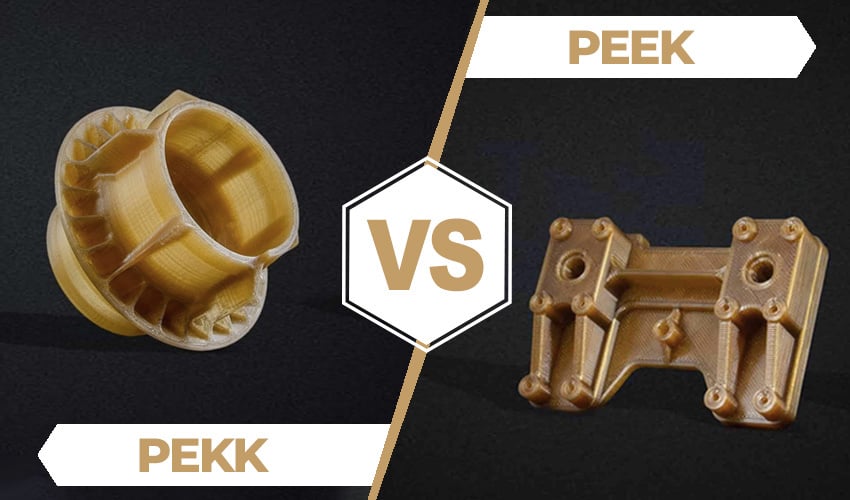 MaterialsPEEK vs PEKK: Which High Performance Material Should You Choose?PEEK and PEKK are high performance polymers, known for their strength and thermal properties, that are increasingly used in additive manufacturing industry. PEEK and PEKK demonstrate sufficient mechanical strength at temperatures over 250°C, and can resist deformation well above
 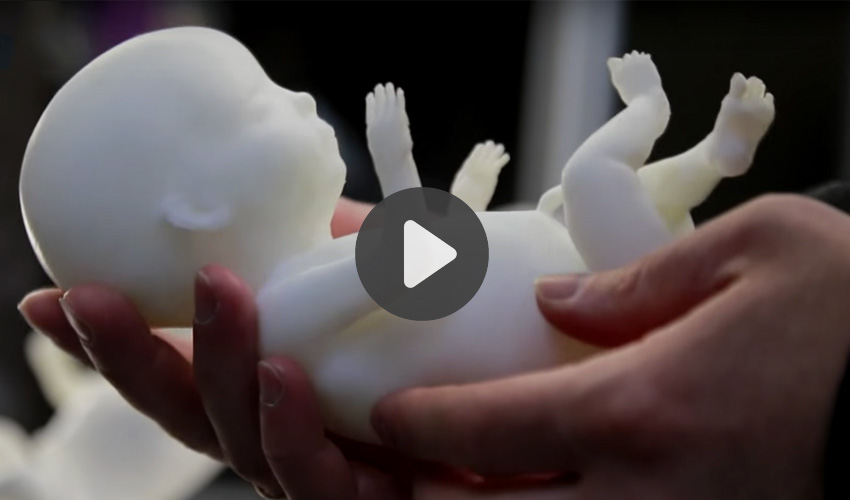 NewsTop 5 Videos of the Week: 3D Printed Embryos!This week’s Top 5 Videos is an interesting one, with videos relating to 3D printing your baby whilst still in the womb, the first 3D printed consumer car, 3D printed sushi, and much more! Remember, a new Top 5 Videos…
 MaterialsResearchers Find New Use for Biodiesel Waste in Eco-Friendly 3D PrintingIndustrialization, population, and economic growth are driving rising energy demands and an increased need for renewable fuel sources such as biodiesel, biogas, and bioethanol. These fuels aim to mitigate the greenhouse gas effect and are derived from renewable resources. For&hel