Materials
Researchers Find New Use for Biodiesel Waste in Eco-Friendly 3D Printing
Industrialization, population, and economic growth are driving rising energy demands and an increased need for renewable fuel sources such as biodiesel, biogas, and bioethanol. These fuels aim to mitigate the greenhouse gas effect and are derived from renewable resources. For&hel
- 3 min read
- Materials
- Six more stories

Industrialization, population, and economic growth are driving rising energy demands and an increased need for renewable fuel sources such as biodiesel, biogas, and bioethanol. These fuels aim to mitigate the greenhouse gas effect and are derived from renewable resources. For instance, biodiesel production is expected to grow by 4.5% annually. However, this rapid expansion also results in the generation of waste products, including glycerol and a non-glycerol mixture known as Matter Organic Non-Glycerol (MONG), which are currently disposed of in landfills.
To minimize the carbon footprint of biodiesel production, alternatives to landfilling these materials are being explored. One promising solution is converting MONG into value-added products. The demand for environmentally friendly solutions and bio-based materials in 3D printing is ever-growing. The residual fatty acids from biodiesel waste contained in MONG have the potential to be used in the production of filaments. However, there is still limited data on their consistency, and the properties of Matter Organic Non-Glycerol can vary depending on the production process and the substrate used, such as soy or rapeseed.
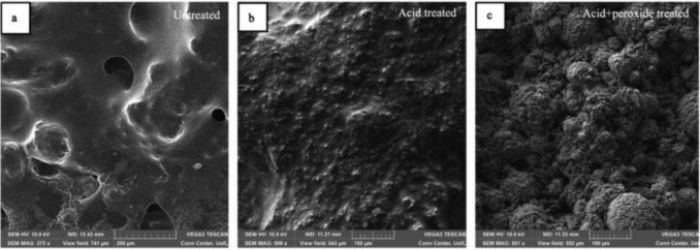
The surface structure and lump formation of MONG. (A) untreated, (B) acid-treated, and (C) acid- and peroxide-treated. (Photo Credits: University of Louisville)
For this reason, researchers at the University of Louisville are investigating the potential uses and properties of MONG, discovering its potential as a copolymer. They conducted various pre-treatments to enhance its stability as a copolymer and NFC filament. In these treatments, the research team combined the resulting MONG copolymer paste with thermoplastics to produce a 3D printing material. In their initial analysis, they examined MONG from soy biodiesel processing plants in three different states: untreated, acid-treated, and acid- and peroxide-treated. The untreated MONG is solid, making it unsuitable for 3D printing. However, the treated counterpart is stabilized and forms a manageable paste, suitable for use in 3D printing applications.
More from the desk
Six other notes from the rest of the bench.
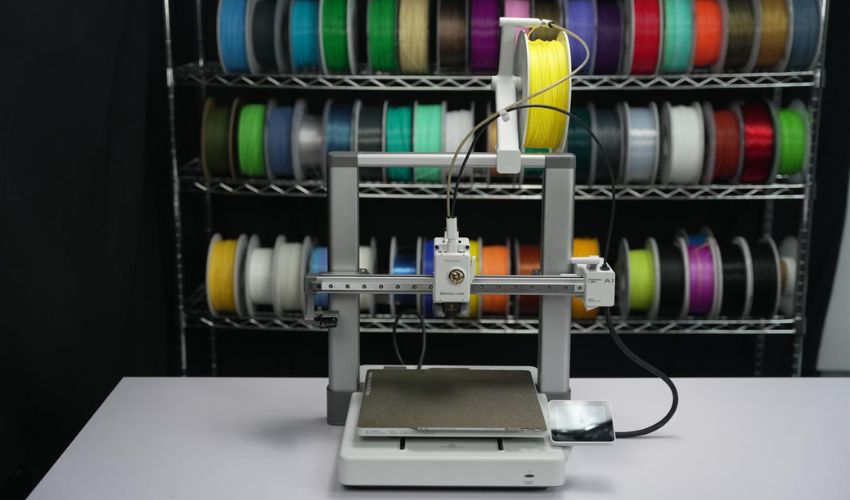 PrintersBambu Lab Announces Recall of Popular A1 3D PrinterIt was not so long ago that we were telling you about the anticipated launch of Bambu Lab’s new A1 3D printer. Designed to be the company’s first ever bed-slinger 3D printer, it prompted serious interest, along with the A1…
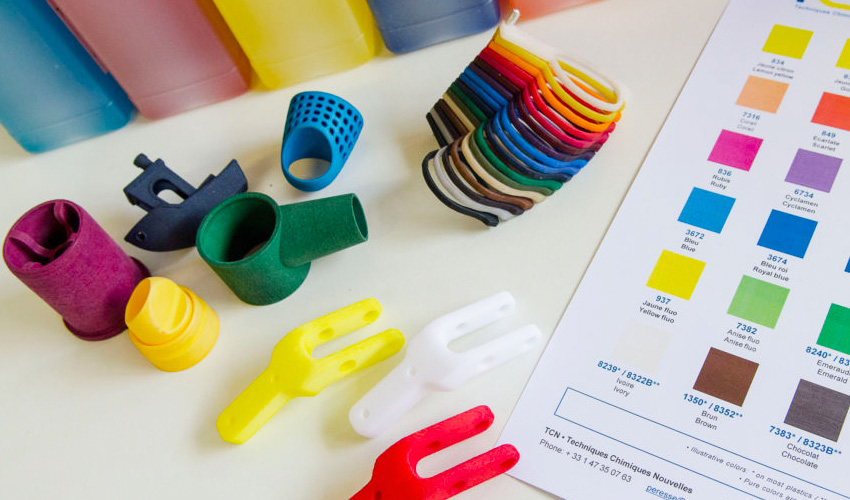 NewsPost-Processing Techniques That Allow Color in 3D Printed PartsTwo key benefits of additive manufacturing are the greater design freedom and customization that are possible when creating parts. However, not all 3D printers have the capability to create multicolor parts or parts with special finishes. For this, post-processing systems…
 NewsThe World’s First 3D Printed Fiberglass PoolAmerican pool company San Juan Pools recently unveiled what it claims to be the first-ever 3D printed fiberglass pool. In a late segment of the TV morning show Fox and Friends, the pool was presented for the first time on…
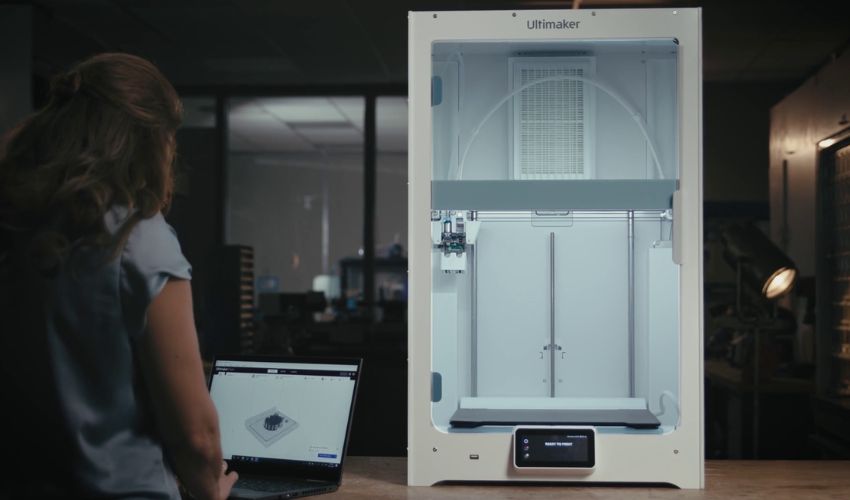 NewsUltiMaker Reveals its Brand Transformation Since MergerLast year, the entire additive manufacturing community was taken by surprise when Ultimaker and MakerBot, two leaders in the industry, announced that they would be merging. Though unexpected, the move was a continuation of a wider trend we have been…
 Printers3Dnatives Lab: Testing the Formlabs’ Fuse 1 SLS 3D PrinterRecognized as a leading player in the field of resin 3D printers, Formlabs announced a few months ago that it was taking its first steps into the industrial world of SLS 3D printing with the Fuse 1. This machine represents…
 NewsBoeing 777X’s first flight with more than 300 3D printed partsThe Boeing 777X successfully completed its first long-haul flight last Saturday, placing it among the largest twin-engine aircraft on the market. What’s particularly exciting about this new aircraft from the U.S. giant is that its two GE9X engines incorporate more…