Applications
Bioprinting Is Being Used to Create Eye Tissues
When it comes to the body, the parts relating to the fives senses are undoubtedly some of the most important. Eyesight, hearing, taste, touch and smell allow humans and other creatures to explore the universe around them and the sudden…
- 3 min read
- Applications
- Six more stories
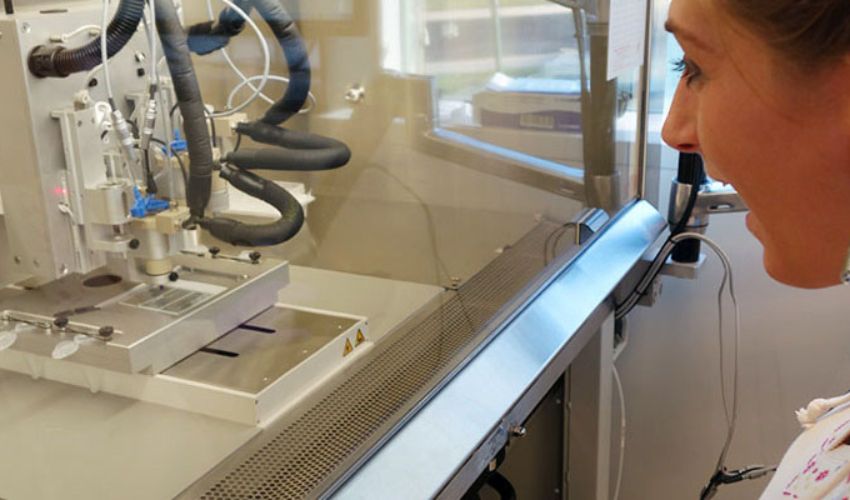
When it comes to the body, the parts relating to the fives senses are undoubtedly some of the most important. Eyesight, hearing, taste, touch and smell allow humans and other creatures to explore the universe around them and the sudden loss of one or more can be devastating. And one of those that is often affected is sight. From aging to diseases, many different factors can cause visual impairment with up to 14 million suffering from poor vision in the US alone. However, the diseases can be hard to correct and even harder to cure, especially considering the difficulties in procuring samples for testing. But what can we do to combat this?
Researchers at the National Eye Institute (NEI), a part of the National Institutes of Health (NIH) which is the primary federal agency of the US government for conducting and supporting medical research, have turned to bioprinting in order to create eye tissues. These will be used to advance understanding of blinding diseases, particularly degenerative retinal diseases such as age-related macular degeneration (AMD). Though of course not the first time that 3D printing has been used in the treatment of eyes, two previous examples are the creation of a 3D printed eye prosthetic or the 3D printed cornea from the University of Newcastle, it shows the continued versatility of the technology for a variety of applications in the medical field, especially for research purposes.

A diagram of the blood-retina barrier in the eye (photo credits: National Eye Institute)
Bioprinting Aids Research of AMD and Other Eye Diseases
Age-related macular degeneration is a common condition affecting people in their 50s and 60s. Though it does not always make patients fully blind, it essentially involves the loss of the central vision that is necessary to see details straight ahead causing blurriness and wavy areas. It is the leading cause of vision loss for older adults and nearly 20 million people in the US have some form of age-related macular degeneration, with its prevalence increasing with age. There are two forms of AMD, dry (atrophic AMD) and wet (advanced neovascular AMD) with various treatment options depending on the severity of the case. But the causes can be difficult to understand, especially the progression to advanced stages.
More from the desk
Six other notes from the rest of the bench.
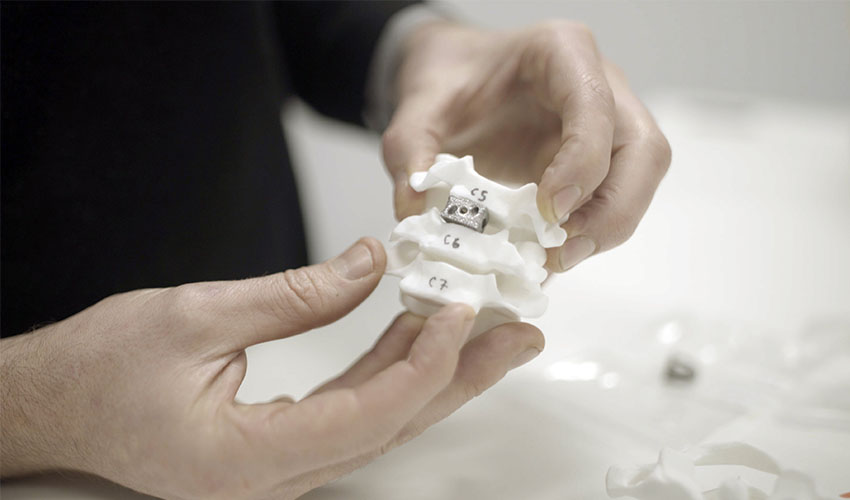 ApplicationsRenishaw partners with IMR and nTopology to 3D print spinal implantsRenishaw announced not too long ago that it will be collaborating with Irish Manufacturing Research (IMR) and nTopology to demonstrate the advantages of additive manufacturing in the production of spinal implants. This collaboration also aims to show how much more…
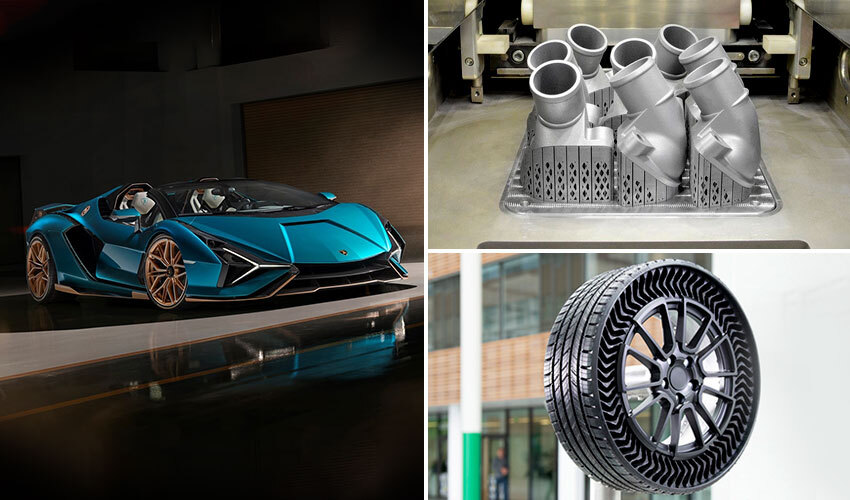 GuidesWhat Are the Most Innovative 3D Printing Applications in the Automotive Sector?Among the application sectors in which we find additive manufacturing technologies, the automotive industry is one that is most taking advantage of them. AM allows large automotive companies to reduce costs, time and weight when producing complex parts. In addition,…
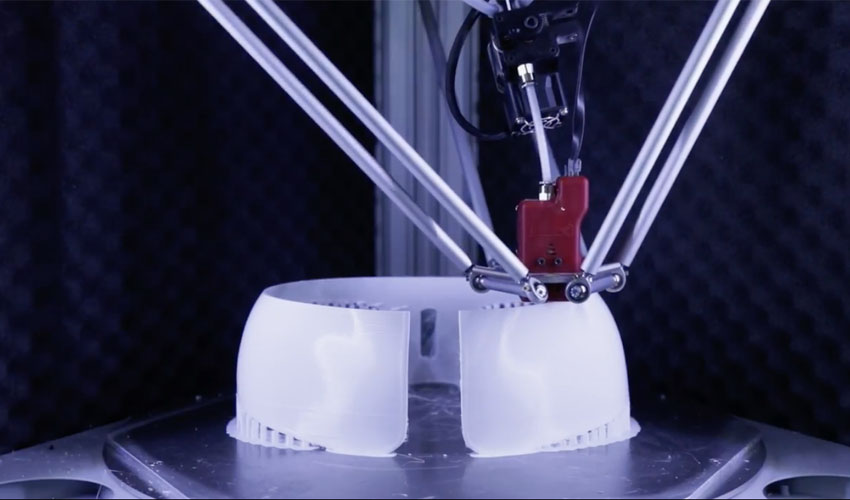 ApplicationsWASP opens orthopedic laboratory for 3D printing of customized medical devicesItalian 3D printer manufacturer, WASP, recently opened a Digital Orthopedic Laboratory, offering their patients the opportunity to have customized medical assistance devices. Thanks to its WASPMed entity, which brings together doctors, researchers and additive manufacturing exper
 GuidesTop Holiday Decorations You Can 3D Print This SeasonThe holiday season has arrived, and makers everywhere are turning their printers into their own Santa’s workshops of festive magic. The holidays feel a little more special when something handmade is part of the celebration, and 3D printing makes it…
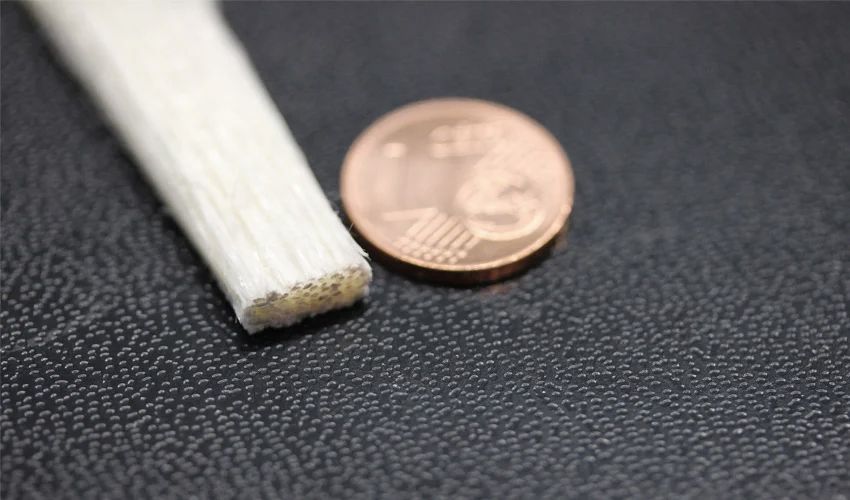 MaterialsCould Cellulose Fibers Be Used As Reinforcement Material for Composite 3D Printing?The German Institute of Textile and Fiber Research recently launched a research project to develop an innovative 3D printing method for composite materials. The goal is to produce components reinforced with bio-based and sustainable fibers such as cellulose fibers. The…
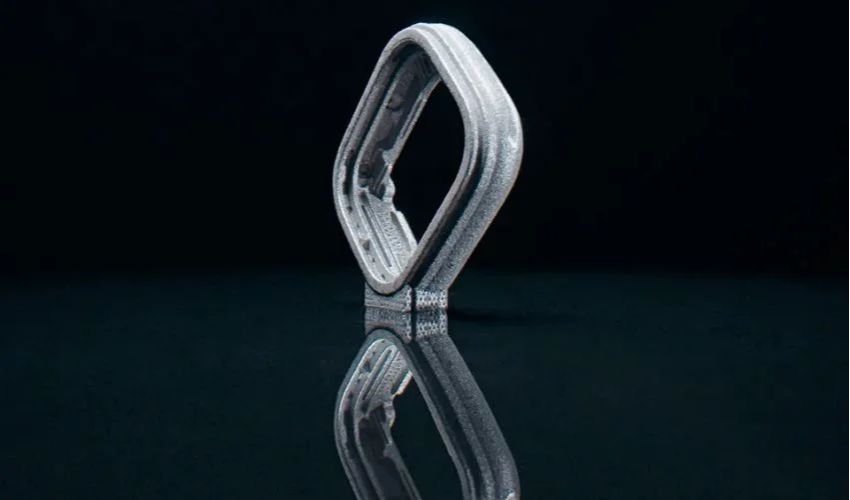 NewsApple Is Taking a Close Look at 3D Aluminum Printing for Its New ProductsWhile currently speculative, rumors suggest Apple is accelerating its adoption of additive manufacturing, specifically metal and aluminum 3D printing, across its product lineup. Building on last year’s successful use of 3D-printed titanium for the Apple Watch and the iPhone Air’s