News
A new 3D printed antiviral material to fight against Covid-19
Though Covid-19 has plunged the world into an unprecedented health crisis, it has at least allowed additive manufacturing to show the general public what benefits it can bring to society. Since the beginning of the pandemic, innovations to fight against…
- 3 min read
- News
- Six more stories
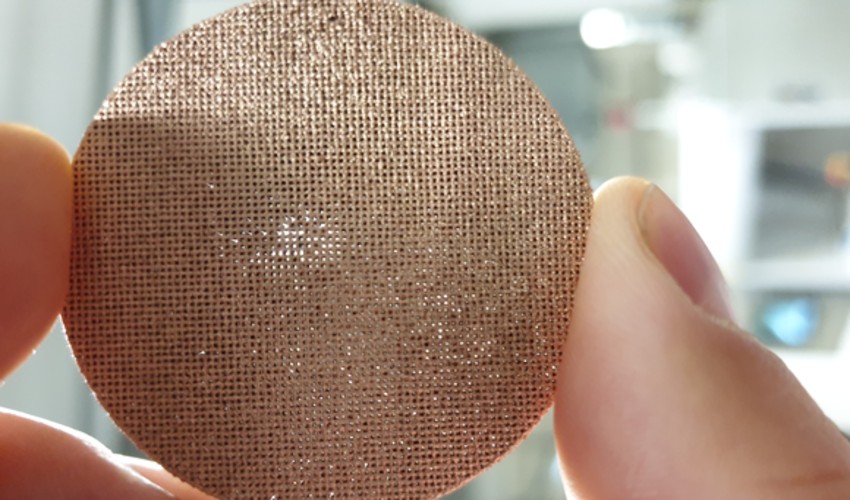
Though Covid-19 has plunged the world into an unprecedented health crisis, it has at least allowed additive manufacturing to show the general public what benefits it can bring to society. Since the beginning of the pandemic, innovations to fight against the virus have rapidly increased, and little by little, 3D printing is establishing itself as an indispensable technology. The researchers at the University of Wolverhampton certainly are not going to dispute that fact. The research group AMFM (Additive Manufacturing Functional Materials) has developed a new 3D printed antiviral material that reportedly kills Covid-19.
Made from silver, copper and tungsten, this antiviral material should be able to reduce contagion rates. The combination of these three elements, each with antimicrobial properties, would make it possible to combat surface contamination and limit the aerial spread of the virus. John Robinson, researcher at the University of Wolverhampton explains: “Our antiviral material displayed a 100% viral inactivation within five hours against a biologically-safe sample of COVID-19. This is a significant improvement on the previous copper coating results as all of the COVID-19 virus is eliminated.“ To achieve this impressive result, the research group used laser powder bed fusion.
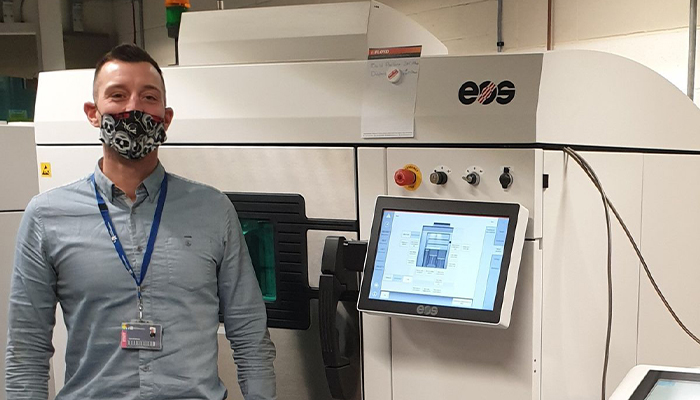
John Robinson and the 3D printer which was used to design the antiviral material (photo credits: University of Wolverhampton)
3D printing challenges Covid-19 once again
John Robinson and his team hope that their new antiviral material will be applied in many situations. As a first step, the scientists aim to develop open-source 3D printed masks from the antiviral material, in order to democratize their innovation as much as possible. And the research team does not want to stop there. They then want to multiply the number of application cases to actively fight against the pandemic. All the more so since laser fusion on a powder bed offers a certain flexibility to the scientists especially in terms of part geometries, allowing them to constantly improve on their model.
More from the desk
Six other notes from the rest of the bench.
 MaterialsAn Organic 3D Printed Shoe CollectionThe ORGANIC shoe collection is a collaboration between Lucie Trejtnarová, a postgraduate student at Tomas Bata University in Zlin, Czech Republic, materials manufacturer, Fillamentum and the design studio, Malai Design & Materials. As its name suggests, this shoe collection i
 GuidesPlat Institute and the Use of 3D Printing as a Gastronomic ToolIn the culinary field, the use of new technologies is increasingly present. This growth is mainly due to the need to find innovative methods that offer users new gastronomic experiences. In Spain, one of the organizations that is investigating this…
 Applications3D-Printed Scaffold Used in Treatment for Patient With Gunshot WoundSometimes it seems that the uses of 3D printing in the medical field are growing by the day. Beyond surgical planning and training, increasingly additive manufacturing is being used for implants and in surgical procedures to heal traumatic injuries. The…
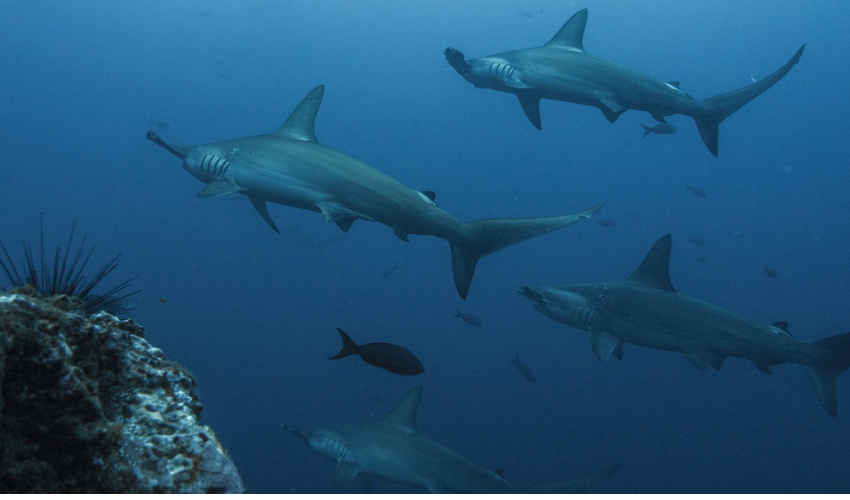 PrintersFirst Ever 3D Printed Shark Fins Help Combat Illegal Wildlife TradeOnce again, 3D printing will be used to help in wildlife conservation efforts. TRAFFIC, a leading non-government organization (NGO) working to fight against illegal wildlife trade, has announced that they have been using the world’s first-ever 3D printed shark fins…
 ApplicationsResearchers 3D Print Networks of Living Nerve CellsThe world of 3D printing continues to serve as a means of advancement in the medical and scientific worlds. This time, it’s in the field of neuroscience that the technology has taken a giant step forward. Researchers at Melbourne’s Monash…
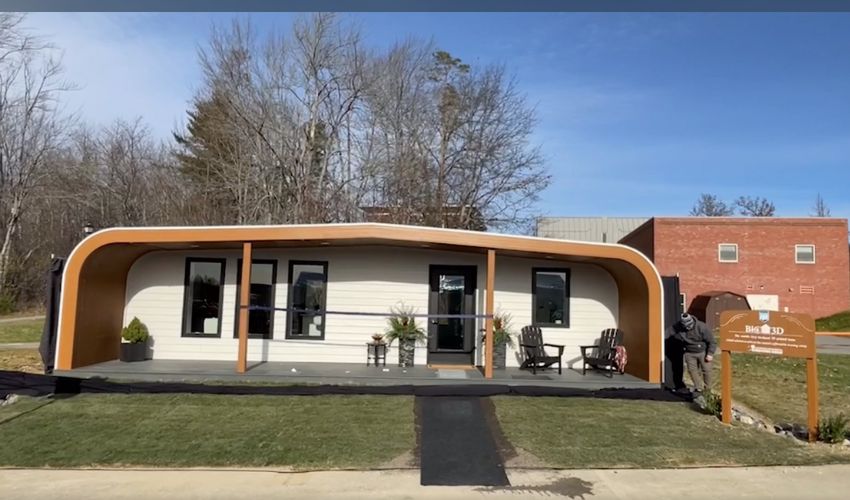 NewsResearchers Build World’s First 100% Biosourced 3D Printed Home3D printed houses is a hot topic at the moment, as researchers look to improve the current housing situation in a sustainable and reproducible way. Researchers at the University of Maine have built the first ever 3D printed house of…