News
Researchers improve accuracy of 3D printed metal parts with electric current
As metal additive manufacturing grows, it is not always easy to obtain high quality, high precision parts for specialized and demanding applications. That’s why a team of researchers at Saarland University in Germany has developed a non-contact process based on…
- 3 min read
- News
- Six more stories
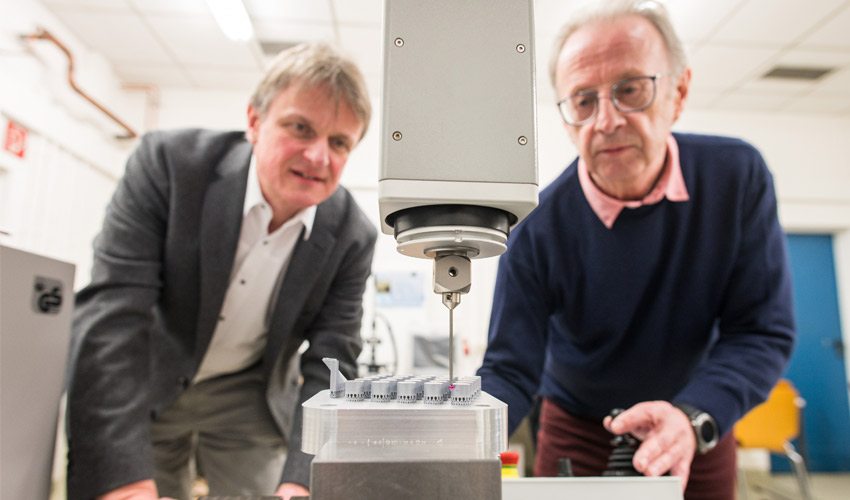
As metal additive manufacturing grows, it is not always easy to obtain high quality, high precision parts for specialized and demanding applications. That’s why a team of researchers at Saarland University in Germany has developed a non-contact process based on electrochemistry to transform metal 3D printed parts into complex components with dimensional tolerances of a few thousandths of a millimeter. A method that should make it possible to make greater use of end-use parts made in sectors such as aerospace or automotive.
The demand for metal parts in industrial sectors is strong and must meet precise requirements such as dimensional accuracy. Aircraft, car and rocket engines are usually made up of several parts that are assembled together and it is essential that each of them can withstand high mechanical stress. Today, metal additive manufacturing makes it possible to simplify the design process by reducing the number of components that make up a part, or by increasing its complexity. But it remains a difficult technology to master and achieving the same mechanical characteristics as a machined part is not easy, especially in terms of dimensional accuracy. 3D printing remains a “layer by layer” technology and it is not uncommon for these to be apparent.
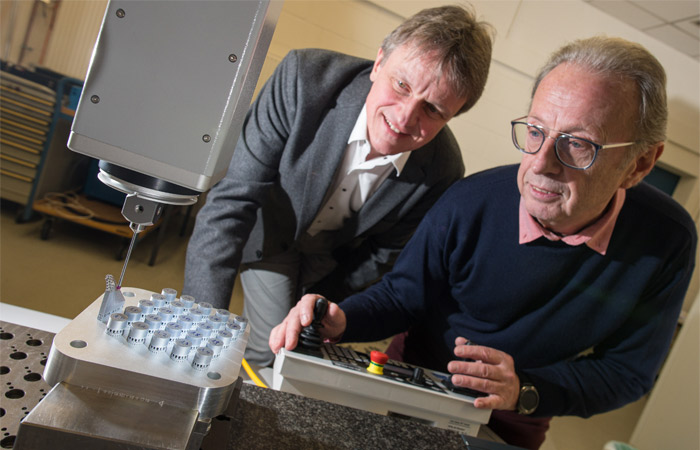
Precision machining is the speciality of researchers Dirk Bähre (left) and Stefan Wilhelm, his technical assistant | Credits: Oliver Dietze
For this reason, Professor Dirk Bähre and his research team have developed a non-contact method for post-processing 3D printed metal parts. In concrete terms, they relied on electrochemical machining, a method of removing metal by an electrochemical process. The professor explains: “Electrochemical material removal makes it possible to create even the most complex geometries in the hardest metals. Our non-destructive, non-contact manufacturing technology allows us to efficiently machine parts with complex geometries, even if they are made of high-strength materials.”
More from the desk
Six other notes from the rest of the bench.
 News#3Dstartup: Metallum3D offers microwave sintering for metal AMIn recent years, the metal additive manufacturing segment has experienced a strong growth, explained in great part by the arrival of players who wanted to make it more accessible to users. These players have offered technologies close to MIM or…
 MaterialsAM of the Future: Cubic Ink® on High-Performance MaterialsCubic Ink® is part of the specialized chemicals company ALTANA and aims to produce high-performance materials for additive manufacturing that are suitable for various applications. To find out exactly what Cubic Ink® materials are all about, we had the opportunity…
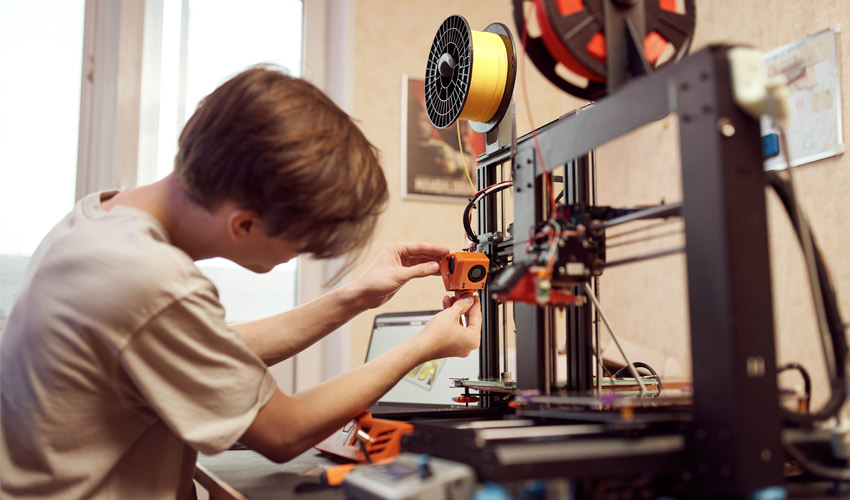 PrintersCould 3D Printing at Home Be Detrimental to Health?Since the early 2000s, when the RepRap movement took off, 3D printing has gained commercial success worldwide. Though of course much of the market is dedicated to industrial additive marketing, cheaper desktop 3D printers designed for hobbyists have also grown…
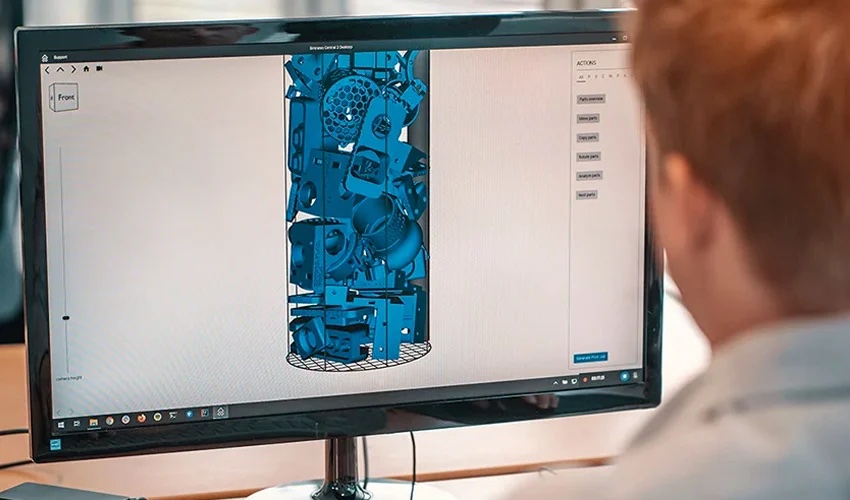 NewsNesting in 3D Printing Helps Optimize SpaceModeling is a key step in additive manufacturing, especially when it comes to the creation of complex parts. In the 3D printing sector, there are a number of CAD programs available for 3D printing. With a growing market, players in…
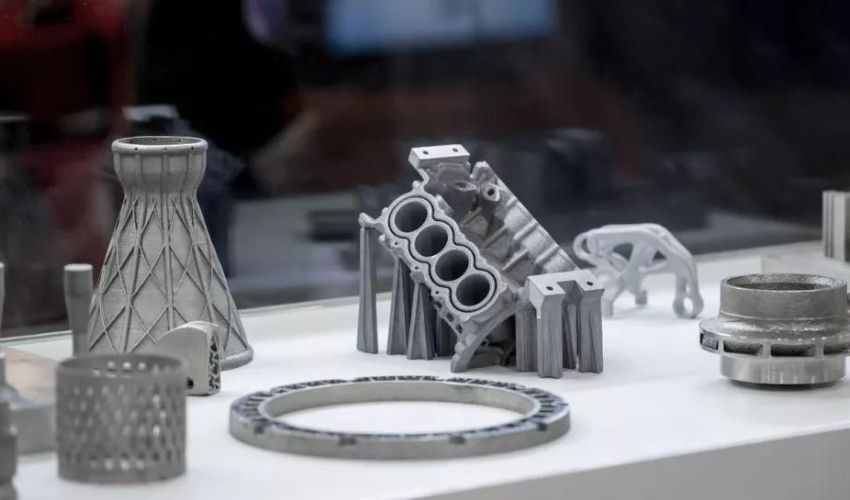 ApplicationsUK’s Ministry of Defence Offers Contract for 3D Printed PartsThe UK’s Ministry of Defence (MoD) is showing its continued interest in additive manufacturing with the launch of a contract offer for 3D printing firms. The UK has always invested in defense and military, being the fourth highest spender globally…
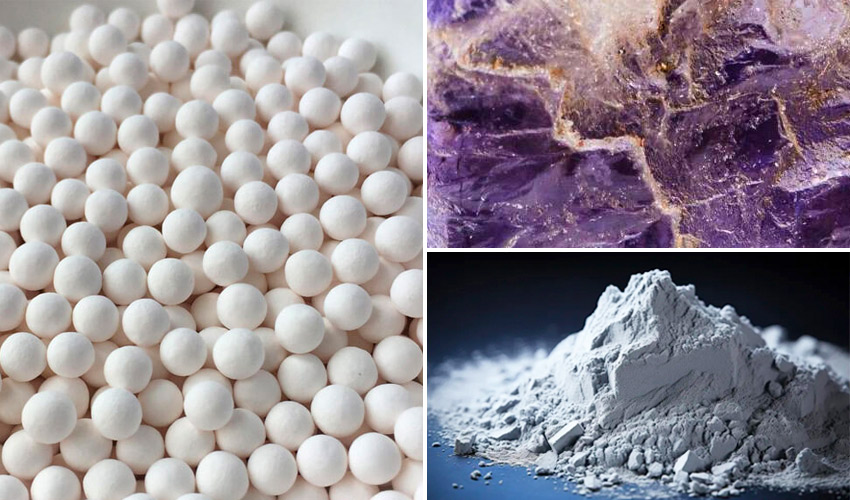 MaterialsWhat Technical Ceramics Are Compatible With Additive Manufacturing?Though the first thing that comes to mind for many when you mention ceramics is pottery or porcelain, technical ceramics are actually some of the strongest and toughest materials on Earth. Broken into two categories, oxides and non-oxides, the main…