News
#3Dstartup: Metallum3D offers microwave sintering for metal AM
In recent years, the metal additive manufacturing segment has experienced a strong growth, explained in great part by the arrival of players who wanted to make it more accessible to users. These players have offered technologies close to MIM or…
- 3 min read
- News
- Six more stories
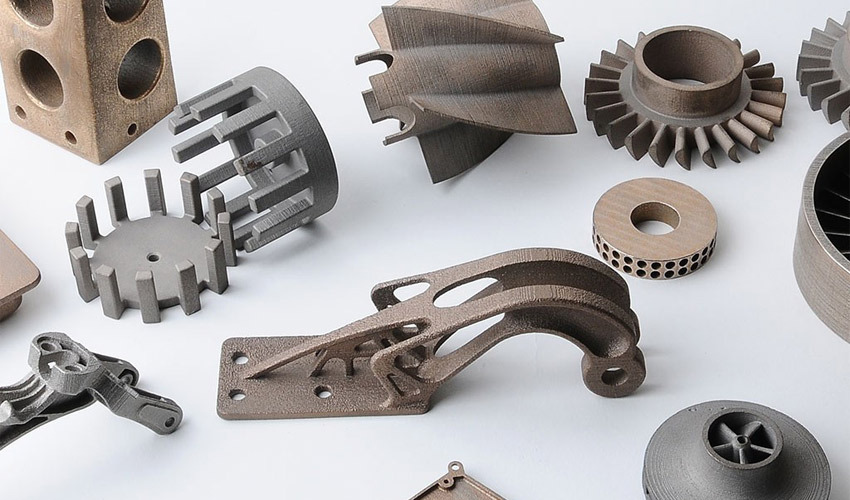
In recent years, the metal additive manufacturing segment has experienced a strong growth, explained in great part by the arrival of players who wanted to make it more accessible to users. These players have offered technologies close to MIM or Binder Jetting, i.e. indirect metal 3D printing processes. The latter is based on the use of metallic powders and a binder, which is then eliminated during the debinding stage. The part must then be sintered in a suitable furnace to weld the metal particles together, giving the part its desired properties. These two post-processing steps are crucial and quite technical. For example, sintering requires temperature control: the part must heat up sufficiently to ensure that the powder particles are fully welded without causing deformation. Metallum3D has addressed these constraints and developed a microwave sintering system, a process that offers a number of benefits for these metal AM processes. We met with its founder and CEO, Nelson Zambrana, to find out more!
3DN: Can you present yourself and your relationship with AM?
I am an engineer with a passion for business. Over the past 25 years I’ve worked in the electronics, pharmaceutical and medical device industries having implemented multiple manufacturing processes including additive manufacturing, CNC machining, injection molding, laser machining and others. Since founding Metallum3D in 2016, I’ve concentrated my efforts in the development of microwave sintering technologies for sinter based metal additive manufacturing.
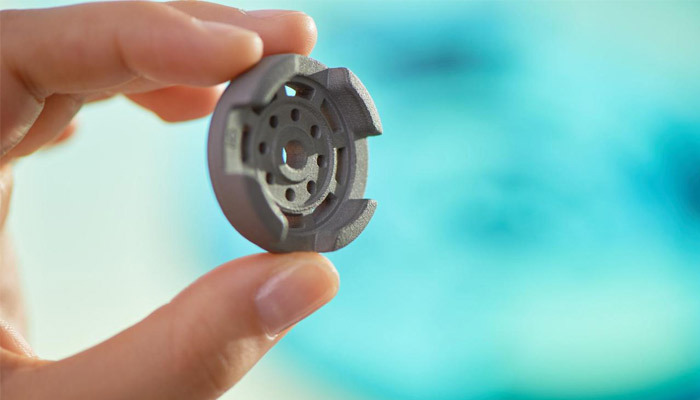
Metallum3D develops microwave sintering technologies for sinter based metal additive manufacturing
3DN: Why and how was Metallum3D founded?
Metallum3D was founded with a focus in the development of microwave sintering technologies for sinter based metal additive manufacturing. Sintering processes play a major role in metal additive manufacturing and over the last 40 years the performance of conventional sintering processes has not significantly improved. Current conventional sintering processes for sinter based metal additive manufacturing have slow heating rates (~ 5 deg. C/min), long sintering times (> 24 hrs.), high energy consumption and high equipment costs. Microwave sintering has the potential to greatly improve the performance and economics of the sintering process including fast heating rates (5x to 10x faster), short sintering times (up to 80% reduction when compared to conventional sintering), lower energy consumption and lower equipment costs.
More from the desk
Six other notes from the rest of the bench.
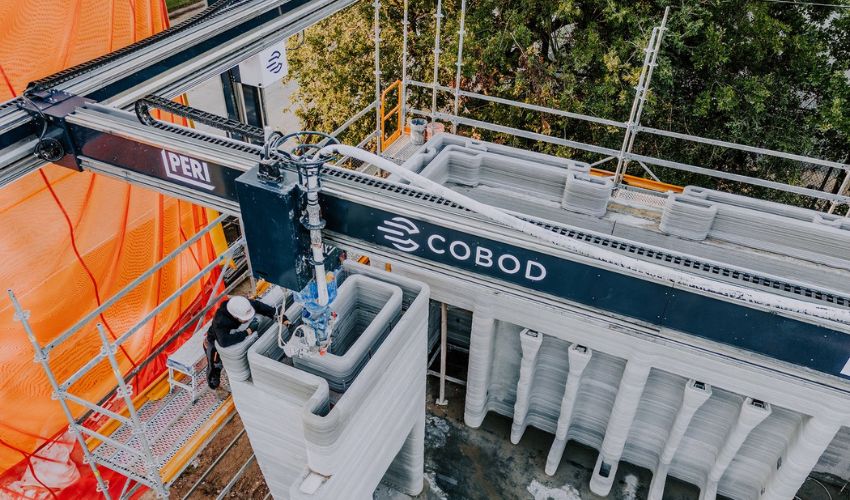 News3D Printed Construction Reaches New Heights in the USHousing shortages are a worldwide concern, in light of growing population densities and cost-of-living concerns. However, new technologies could breathe new life into the housing market and solve these modern concerns in an affordable way. The solution? 3D printing in…
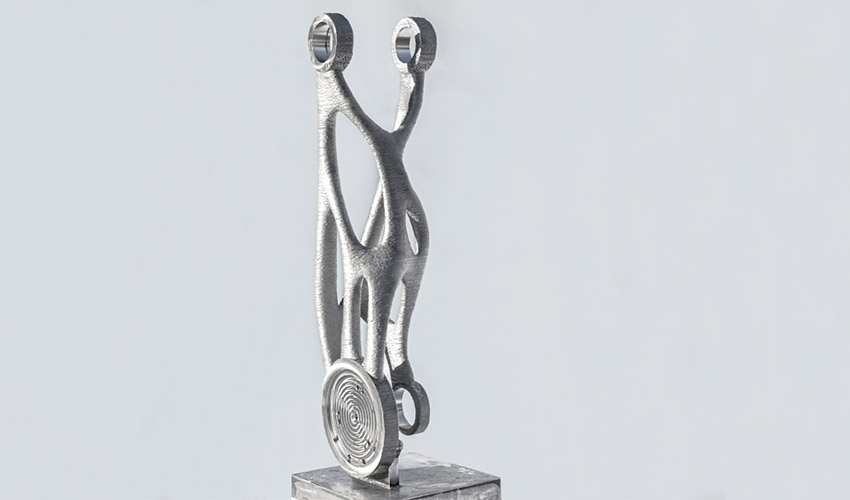 NewsMX3D and Altair 3D print an optimized industrial robot armMX3D is specialized in robotic 3D printing, its mission being to introduce the advantages of metal 3D printing to high-impact industries. More precisely, the company creates robust and easy to use robotic additive manufacturing technology enabling users to create large…
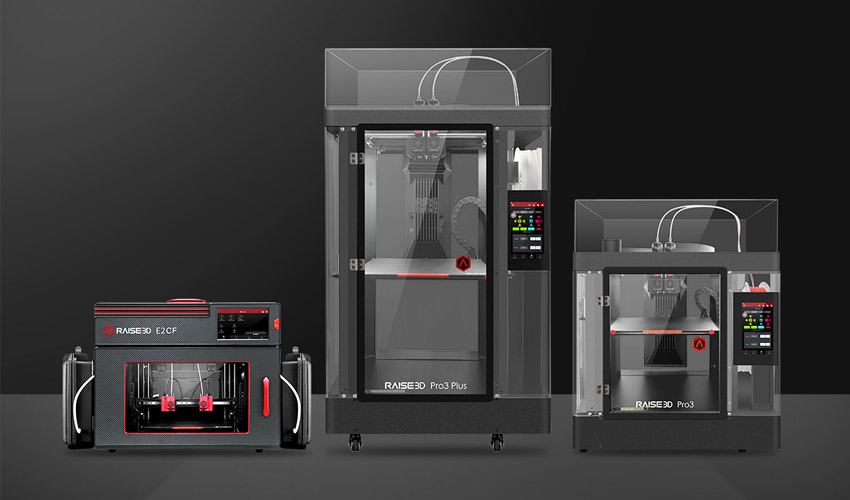 PrintersRaise3D Expands its Range with Three Machines Designed for a More Flexible ProductionThis past summer Raise3D, a leading actor in FFF additive manufacturing, unveiled its new range of professional machines, the Pro3 Series as well as the E2CF 3D printer designed for the production of carbon fiber parts. And to ensure the…
 SoftwareStratasys Partners With Adobe For Streamlined 3D Printing Design WorkflowDesign software and 3D printers are the dynamic duo of the AM industry. Global additive manufacturing leader Stratasys has partnered with software giant Adobe to deliver a solution that streamlines workflow that enables engineers and designers to 3D-print models directly…
 NewsCould Paper Be the Answer to More Sustainable 3D Printing?There are already a large number of projects that have used additive manufacturing to ensure a more sustainable and environmentally friendly existence. Now, a research group at the Technical University of Hamburg (TUHH) led by Prof. Dr.-Ing. Claus Emmelmann has…
 GuidesGenecis is converting food waste into 3D printing filamentsGenecis Bioindustries Inc. is a young Canadian company that uses various advanced technologies to convert food waste into PHA, biodegradable plastics obtained by bacterial fermentation. These materials can be converted into 3D printing filaments, which could eventually lead to mo