News
Gartner Hype Cycle 2019: 3D Printing Predictions
Every year the Gartner Institute publishes its annual predictions for new technologies. It highlights the trends to consider for future manufacturing processes and products. In mid-December, they published their Gartner Hype Cycle showcasing their 3D printing predictions for 2019
- 3 min read
- News
- Six more stories
Every year the Gartner Institute publishes its annual predictions for new technologies. It highlights the trends to consider for future manufacturing processes and products. In mid-December, they published their Gartner Hype Cycle showcasing their 3D printing predictions for 2019.
What is the Gartner Hype Cycle?
First, it is important to explain the Gartner curve, also referred to as the Gartner Hype Cycle. We can see that the first phase of the Gartner Hype Cycle is a phase of growing enthusiasm and rising expectations for the technology in question. Indeed, users of the technology are confident it will open new opportunities and has a lot to offer. Once these expectations reach a peak, consumers realise that the technology will be harder than expected to implement. Therefore, their enthusiasm for it starts to plummet. Finally, the curve will reach its second wave of growth. As investments and developments are made expectations start to rise more gradually once again until reaching a plateau.
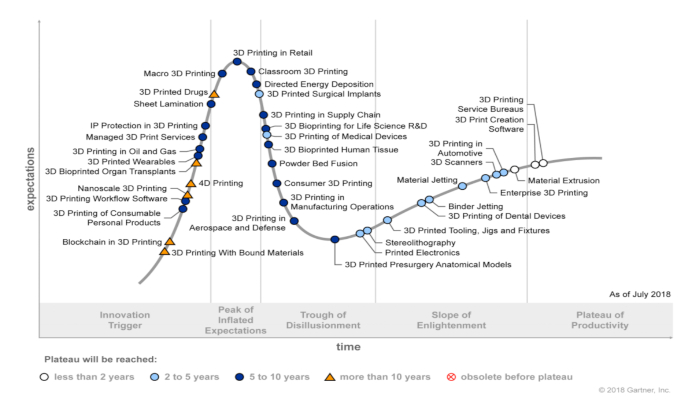
Gartner Hype Cycle: 3D Printing Predictions for 2019
4D Printing Getting Started
Whilst 3D printing is expected to continue its growth, 4D printing has recently entered the market and is in the first phase of the Hype Cycle. 4D printing has the potential of offering dynamic capabilities. It is currently being researched and developed by universities and some companies such as Airbus, Autodesk, HP and Stratasys. Soon enough 4D printing will have to face computer, scientific and engineering hurdles. It is expected to only reach its plateau in about ten years. The Gartner report predicts that by 2023, startup companies working to commercialise 4D printing will attract $300 million in venture capital.
More from the desk
Six other notes from the rest of the bench.
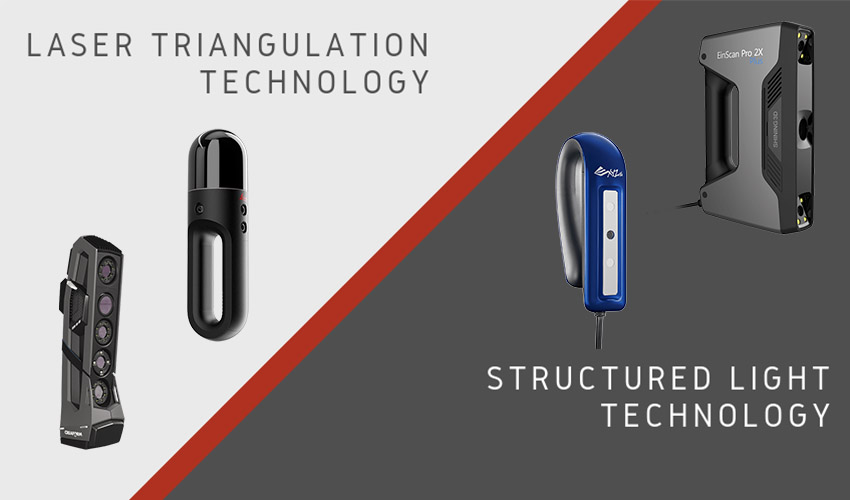 PrintersLaser Scanner vs Structured Light Scanner: which should you choose?In the 3D printing workflow, 3D scanners are very often an essential step to facilitate the modeling of an object. They make it possible to collect data on the shape and sometimes depending on the 3D scanner, the appearance (such…
 News3D Factory Incubator Has Already Supported 55 3D Printing ProjectsIn early March of this year, the 3D Factory Incubator completed its second year in operation. It is the first European high-tech 3D printing incubator, housing the most promising initiatives and projects committed to disruptive technologies as the basis of…
 MaterialsScientists manage to 3D print transparent glass for the first timeResearchers at the Lawrence Livermore National Laboratory have successfully 3D-printed transparent glass. What’s more, this test was successfully conducted at room temperature. Reports from the test claim glass structures with composition gradients can also be produced with
 Guides#3DStartup: Andiamo on their 3D Printing & AI Platform for OrthosesOrthoses are medical devices that are made to stabilise, relieve, immobilise, guide or correct a part of the body. Since each patient is different, an efficient orthotic device should be perfectly adapted to the wearer’s body and needs, which in…
 NewsGiant 3D printed butterfly sanctuary building in New York CityThe Brooklyn-based nonprofit architecture and urban design group, Terreform One revealed an incredible design concept for an urban ‘Monarch Butterfly’ sanctuary to be set in the Big Apple. The vertical meadow façade they imagined would be 3D printed in carbon…
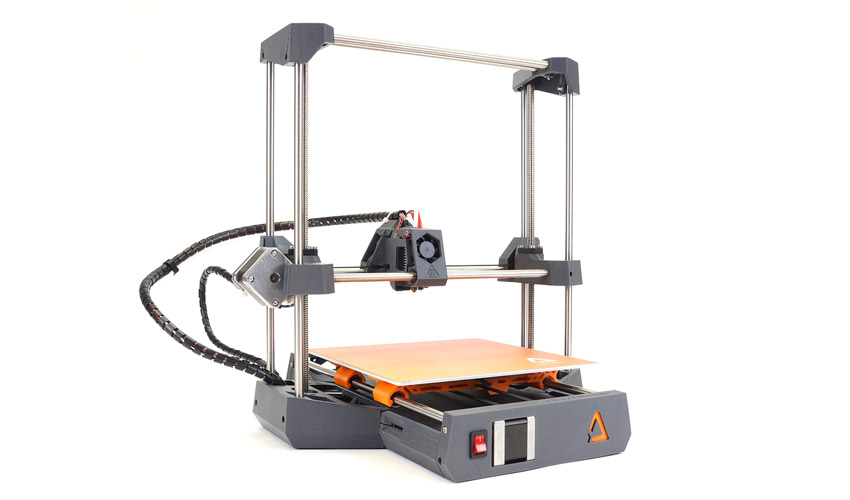 PrintersDisco Ultimate; the new generation of 3D printers from DagomaFrench manufacturer Dagoma revealed its new generation of FDM 3D printers, the Disco Ultimate. 4 years after the creation of the Discovery200 which later evolved into DiscoEasy200, the company presents a new kit that should attract the attention of more than one. The…