News
Montana Has Given Regulatory Approval for Homes With 3D Printed Walls, the First State To Do So
Building code regulators from the Department of Labor & Industry recently confirmed that they have given broad regulatory approval for the use of 3D printing in construction, making Montana the first American state in history to recognize 3D printed walls…
- 3 min read
- News
- Six more stories
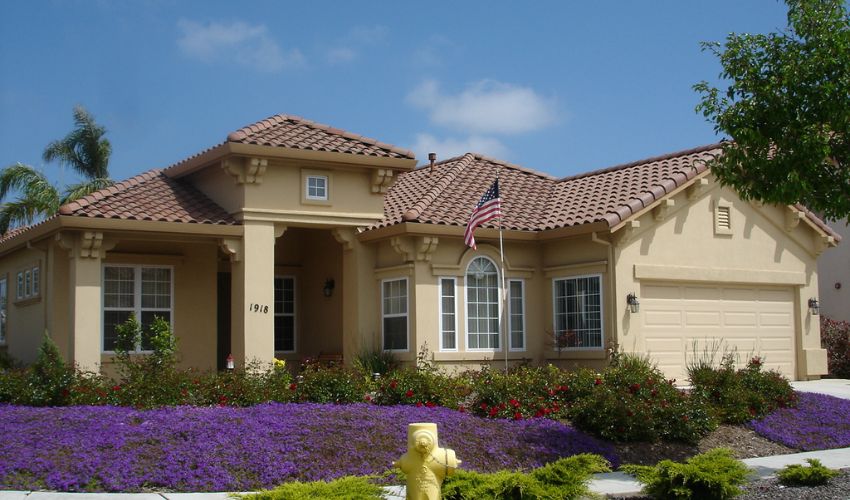
Building code regulators from the Department of Labor & Industry recently confirmed that they have given broad regulatory approval for the use of 3D printing in construction, making Montana the first American state in history to recognize 3D printed walls as an equal replacement to walls made with concrete masonry units (CMUs). The original request was made by Tim Stark, a contractor based in Billings, Montana, who intends to use 3D printing construction technologies developed by Florida-based company Apis Cor. This new recognition of AM technologies is an important new step for its further establishment into the American construction sector.
The idea that using concrete 3D printing can be used to build houses is most likely something with which you are already familiar. And while a variety of projects that involve 3D printing revolve around making houses that have already been successfully completed, there is still quite a long way to go until 3D printing is well enough established to be seen as a serious alternative to traditional house-building methods. However, with the recently announced developments in the State of Montana, the prospect of that idea becoming reality anytime soon seems to be much closer than expected.
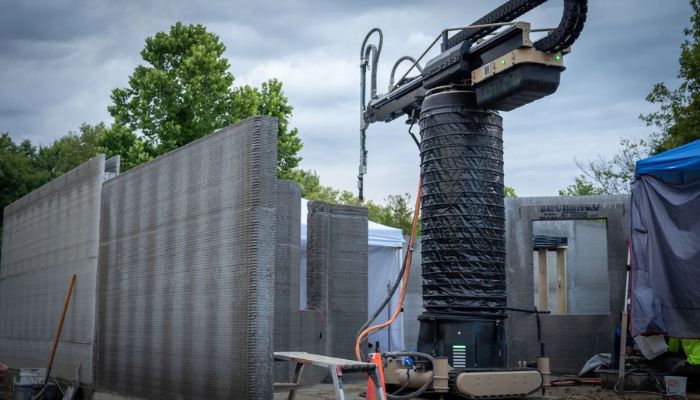
A concrete 3D printer for 3D printed walls by Apis Cor (photo credits: Apis Cor)
The initial idea to hand in the application to the department in Montana came from Billings native Tim Stark, when he started considering using 3D printing technologies, which he chose for their many benefits, for a new housing development project he had planned for the city of Billings and other areas in the state. He hopes that by opting for AM, he will be able to lower production costs by up to 30% of what traditionally built concrete blocks or wood-framed houses would cost. Aside from the reduction of building costs, the 3D printing method also enables builders to increase the speed of production and boost supply at a faster rate.
More from the desk
Six other notes from the rest of the bench.
 NewsTOP 5 videos of the week: Football, dresses and more!A new selection of the best 3D printing videos of the week, just for you! Find our TOP 5 videos of the week below and tell us what your favorite video is in a comment or on our Facebook and Twitter page. Don’t hesitate to…
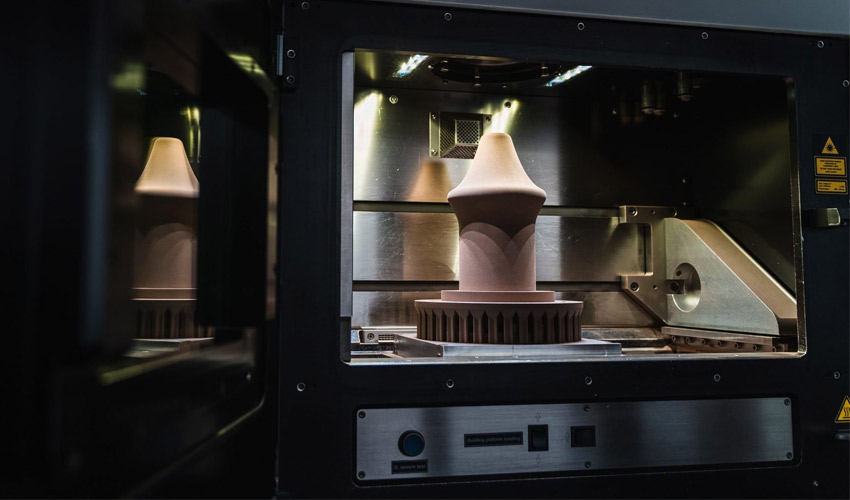 NewsA 3D Printed Aerospike Nozzle Rocket Engine Ready to Take FlightSpanish startup Pangea Aerospace and the company Aenium have signed a partnership to develop and industrialize advanced 3D printed combustion devices made from innovative materials. Together, they have designed a 3D printed aerospike nozzle rocket engine that should be 15%&hellip
 PrintersVIT: the first affordable SLS printer by Natural RoboticsNatural Robotics is a company based in Barcelona that will present the first low-cost Selective Laser Sintering (SLS) printer on October 24th on Kickstarter. Natural Robotics’ goal is to make high-quality additive manufacturing technologies available to all businesses. The
  NewsThe best of Formnext 2019 in video!This week we found the top 5 videos about 3D printing and the way additive manufacturing is shaping our society. The technology has infiltrated many sectors, from medical to automotive, so check out our weekly selection to keep up with the innovations! This week we look…
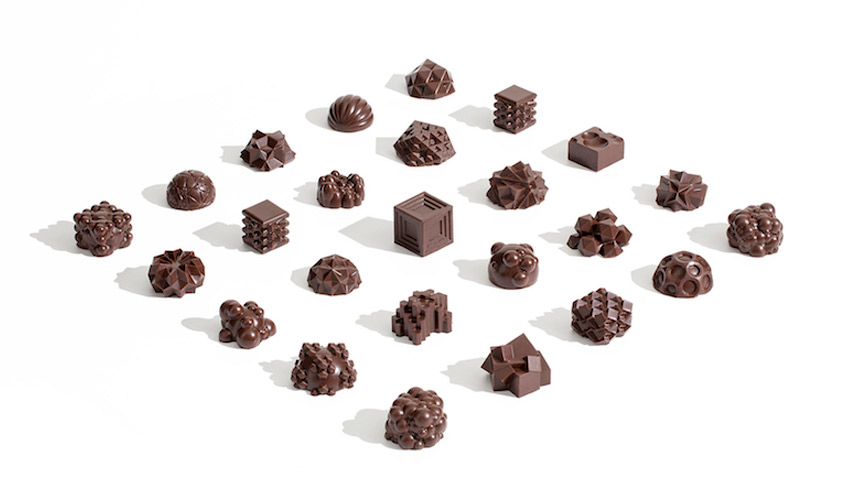 News3D chocolates with exotic shapes and flavoursHave you ever tasted 3D chocolates, little sweets that were made thanks to 3D printing? This was imagined by artist Ryan L. Foote who combined the 3D technologies and traditional techniques of chocolatiers to create a range of unique chocolates in various shapes. By…
 ApplicationsFirehawk Scores $60M Investment Led by 1789 Capital, Firm Tied to Trump Jr.Firehawk Aerospace, a Dallas-based defense company specializing in 3D printed solid rocket fuel, has just received a $60 million Series C investment led by 1789 Capital. The company’s mission is to enable the next generation of defense systems with solid…