Materials
Australian Scheme Recycles PPE for 3D Printing Filament
The COVID-19 pandemic devastated communities all over the world, and we are still feeling the social and medical effects today. One aspect which sometimes goes unmentioned is the excess of PPE (Personal Protective Equipment) waste: this includes masks, gloves, and…
- 3 min read
- Materials
- Six more stories
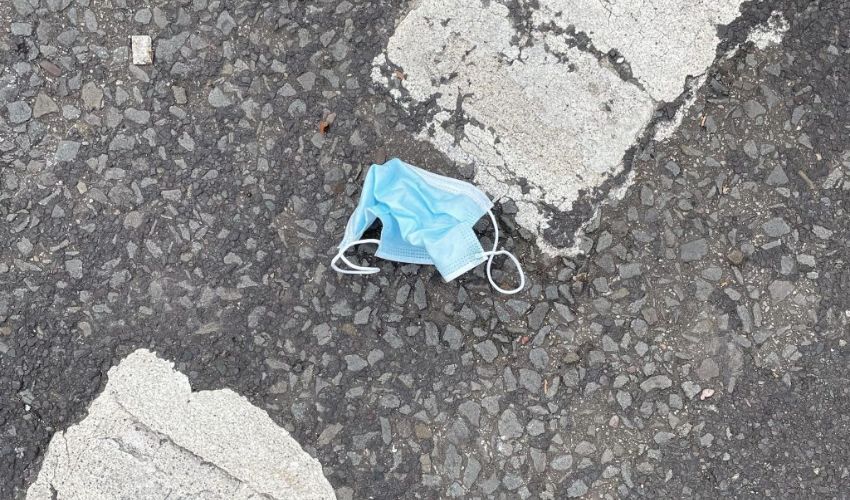
The COVID-19 pandemic devastated communities all over the world, and we are still feeling the social and medical effects today. One aspect which sometimes goes unmentioned is the excess of PPE (Personal Protective Equipment) waste: this includes masks, gloves, and aprons, all of which can only be used once. Research estimates that up to 1.6 million tonnes of plastic waste has been created per day since the pandemic began, and 3.4 billion face masks are discarded every day. But what if we could put these materials to good use for the benefit of 3D printing, by recycling to make filament?
Australian company 3rd Axis has collaborated with the Australian Nuclear Science and Technology Organisation (ANSTO) to recycle waste PPE into FDM feedstock. ANSTO, formed in 1987, combines science, ingenuity and sustainability in Australia. 3rd Axis is a member of nandin, the Innovation Center of ANSTO, which offers science and technology groups the opportunity to work together, share ideas, and improve the manufacturing market in Australia.
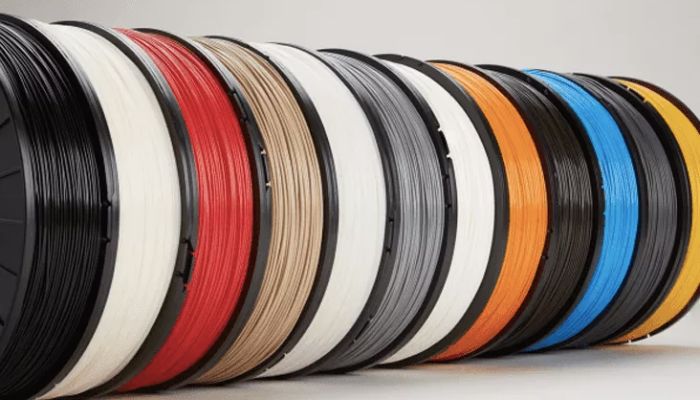
Filaments come in many different colours for FDM printing (Photo credit: ThinkFab)
Of course, the PPE can not go straight from medical use to filament. The waste will undergo a multistage decontamination process to ensure it is safe to be handled and used. Afterwards, the team melt the waste to form polymer filament. 3rd Axis will work closely in conjunction with medical suppliers to improve the collection and selection process used for hospitals and healthcare centers in order to get more waste. 3rd Axis CEO Andrew Cooper explained the long-term goals thus: “Eventually what it will mean is the mask you’re wearing today could tomorrow become part of a water tank, fence posts, parts for machines – even parts on an airplane.”
More from the desk
Six other notes from the rest of the bench.
 NewsAMGTA Study: Additive Manufacturing Reduces Emissions and Resource Consumption in Fashion IndustryAmong the industries that are experimenting with additive manufacturing the most in recent years, the fashion industry is making important progress. However, freedom of design, shapes and materials is not the only reason for considering this production method. Sustainability and&
 GuidesThe Top Laser Cutters Available in 2022A CO2 laser cutter, unlike a diode laser, is primarily used to cut a material. While the latter relies on a diode with a light power of less than 10 watts, the CO2 laser is capable of reaching a power…
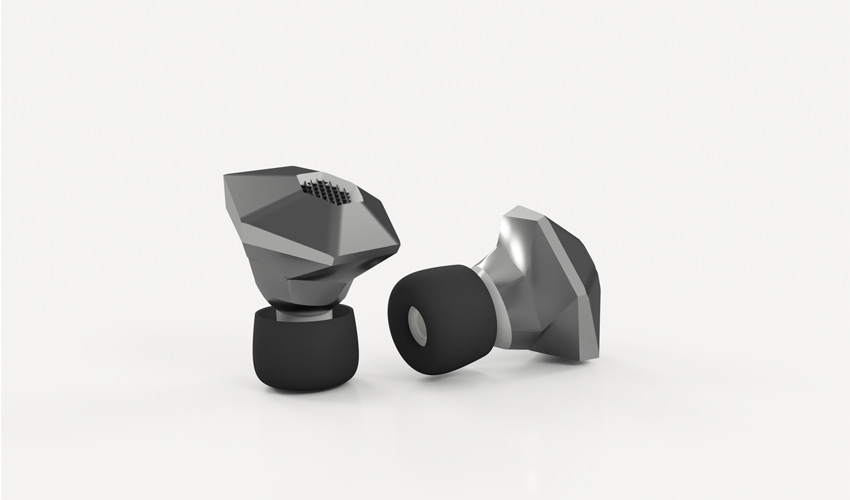 NewsHeX; 3D printed headphones to protect your hearingThe young designer Elen Parry developed the HeX headphones using 3D printing. It was a part of her graduation project at the Manchester School of Art. The project was realised with the help of Print City, an education and innovation center…
 GuidesOur Guide to Intellectual Property in 3D PrintingIntellectual Property is a controversial and sometimes confusing issue. The moniker covers such a broad spectrum, that it requires years of experience to master. This is bad for designers who want to create 3D-printed models and share them for both…
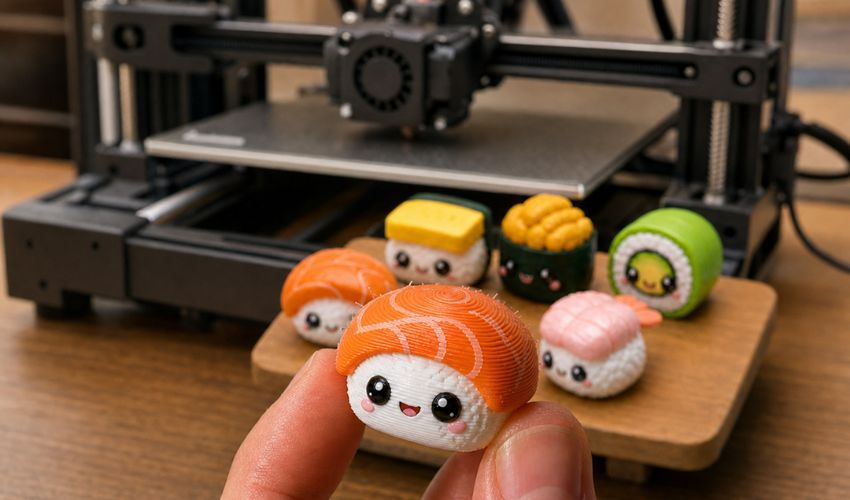 SoftwareMeshy’s 3D Agent Turns Photos and Prompts into Print-Ready 3D ModelsEvery 3D printed object starts as an idea. But before that idea can become a physical part, figurine, or prototype, it first needs to become a digital 3D model. For many makers, that’s often the hardest part of the process.…
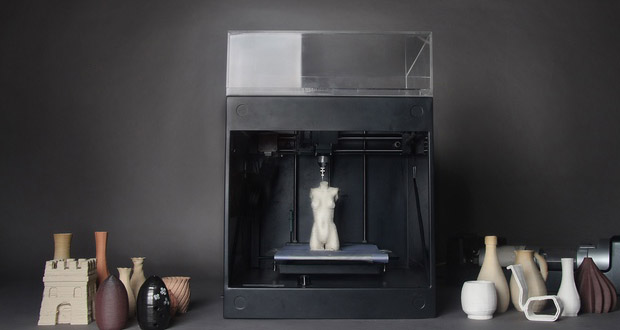 PrintersClay XYZ, a new clay 3D printer that will bring the artist out of youDeveloped by Eponymous, the Clay XYZ is a new 3D printer that takes 3D printing to a new level by printing with clay. After recently starting a Kickstarter campaign that has already surpassed their goal of $10,000, this machine is…