
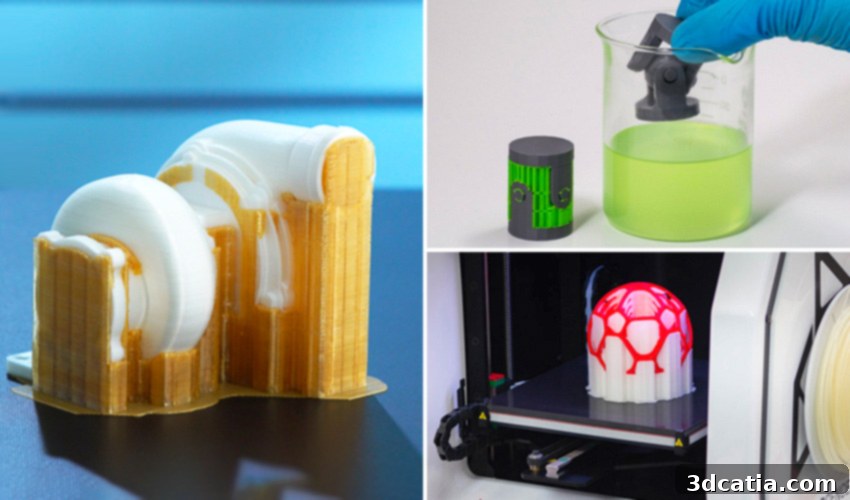
Mastering 3D Printing: Your Comprehensive Guide to Soluble Support Materials
Support removal is often cited as one of the most tedious and time-consuming aspects of 3D printing post-processing. For many, it can be a frustrating bottleneck, especially when dealing with complex geometries or delicate parts. However, with the advent of advanced materials and dual-extruder FDM 3D printers, this doesn’t have to be the case. The solution lies in leveraging soluble support materials. These innovative materials are designed to be easily dissolved after printing, eliminating the need for manual removal, cutting, sanding, or filing. Whether you’re working with a dual-extrusion setup or any other process that facilitates multi-material printing, soluble supports can dramatically streamline your workflow and enhance the quality of your finished prints.
As their name suggests, soluble support materials are specifically engineered to provide temporary structural assistance during the 3D printing process, and then effortlessly disappear when exposed to a specific dissolving agent. This agent could be water, a chemical solvent, or an organic compound, depending on the material. The primary benefit is undeniable: intricate designs with internal cavities or overhangs that would be impossible or extremely difficult to clean with traditional supports become easily achievable. But with a growing array of options available, which soluble support material is right for your project? This comprehensive guide will delve into some of the most common and effective soluble support materials for FDM 3D printing, categorized by their respective dissolving mediums, helping you choose the best solution to simplify your post-processing.
Water-Soluble Materials: The Eco-Friendly Choice
Water-soluble support materials are celebrated for their ease of use, non-toxic nature, and straightforward disposal. They are an excellent choice for a wide range of applications, from intricate prototypes to delicate artistic creations. The simplicity of dissolving supports in water makes them highly appealing for both hobbyists and professionals seeking efficient and clean post-processing.
PVA (Polyvinyl Alcohol)
Polyvinyl Alcohol (PVA) stands as one of the most popular and widely recognized soluble support materials in FDM 3D printing. Its primary advantage, as the name suggests, lies in its excellent water solubility. This characteristic allows for remarkably easy and clean removal of support structures simply by immersing the printed part in water, completely eliminating the need for harsh chemicals, intricate tools, or time-consuming manual labor. This effortless removal not only streamlines the post-processing phase but also significantly enhances design flexibility, empowering users to create increasingly complex geometries, internal structures, and intricate overhangs that would be challenging to achieve with conventional support materials.
PVA boasts impressive compatibility with a variety of commonly used print filaments, including PLA and Nylon. This broad compatibility makes it a versatile choice for a diverse range of applications, enabling the production of both visually appealing models and durable, functional prototypes. From an operational standpoint, PVA typically operates within a heated bed temperature range of 45-60 °C, making a heated bed optional for some setups and often negating the need for a fully enclosed printer, which can be a significant advantage for many users. The recommended printing temperature for PVA usually falls between 185-200 °C, and no specialized hotend is required, further underscoring its user-friendly nature. While PVA offers numerous benefits, it’s crucial to acknowledge its primary challenge: moisture sensitivity. Proper storage in a dry, airtight container is essential to prevent it from absorbing ambient humidity, which can degrade its print quality and solubility. Despite this, PVA’s transparency, biodegradability, non-toxicity, and rapid dissolving properties firmly establish it as a highly beneficial material for a multitude of applications, including molds, decorative objects, and highly elaborate designs where clean support removal is paramount.
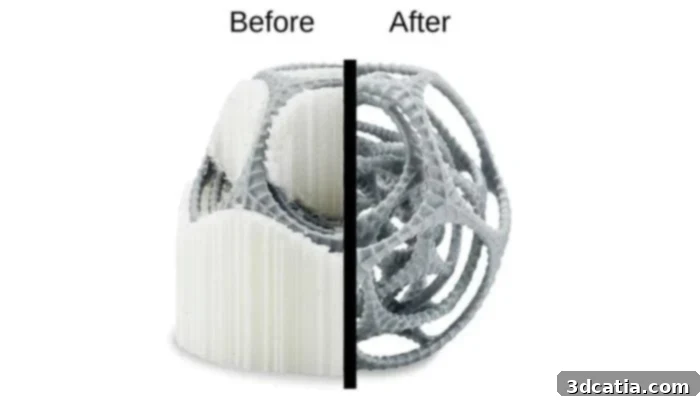
Photo Credits: UltiMaker
BVOH (Butenediol Vinyl Alcohol Copolymer)
BVOH, or Butenediol vinyl alcohol copolymer, represents another highly effective water-soluble material specifically designed for support structures in FDM 3D printing. It is particularly advantageous in scenarios where traditional, manually removable substrates prove difficult to access or fail to deliver the desired pristine finish. BVOH distinguishes itself through its exceptional ease of support removal. After the 3D printing process is complete, simply immersing the printed object in warm water will cause the BVOH support structures to dissolve completely and cleanly, leaving behind no residue or damage to the primary part. This 100% dissolution capability is a major draw for users tackling complex projects.
BVOH is an incredibly practical choice for printing detailed prototypes, especially small models, and those with intricate internal geometries or hard-to-reach spaces where traditional supports would be a nightmare to remove. Its fine resolution capabilities make it suitable for applications requiring high precision, such as fine details, jewelry, decorative items, and complex structural components. This material imposes virtually no limitations on object shapes during the design phase, allowing for unprecedented creative freedom. Furthermore, BVOH is an environmentally friendly option; its dissolved residue can often be safely disposed of down the drain, depending on local regulations. It boasts broad compatibility with a wide array of common 3D printing materials, including PLA, ABS, PETG, ASA, and even elastomeric filaments, making it a versatile tool in any maker’s arsenal. To maintain its optimal quality and print performance, it is highly advisable to protect BVOH from humidity, direct light, and UV rays by storing it in a dry, sealed environment, or by utilizing it swiftly after opening.
Photo Credits: Fiberlogy
Aquasys 120 & Aquasys 180
Aquasys 120, developed by Infinite Material Solutions, represents a significant breakthrough in the field of soluble support materials for 3D printing, offering enhanced performance over traditional options. Its specialized formulation combines a unique water-soluble polymer with a polysaccharide called trehalose, which together ensure exceptional thermal stability during printing while maintaining optimum flexibility. This blend prevents common issues like oozing or stringing and provides reliable support even under demanding print conditions. One of Aquasys 120’s standout features is its superior solubility; it dissolves up to twice as fast as conventional PVA at room temperature and an impressive six times faster in water heated to approximately 80 degrees Celsius. This rapid dissolution dramatically reduces post-processing time, making it an ideal choice for high-throughput production environments.
The versatility of Aquasys 120 is further reflected in its broad compatibility with a wide range of popular 3D printing materials, including PLA, ABS, CPE, TPU, PC-ABS, PP, and PETG. This extensive list makes it one of the most adaptable soluble support materials available on the market, catering to diverse application needs from consumer products to industrial prototypes. Expanding on this innovation, Infinite Material Solutions also offers Aquasys 180, which sets an unrivalled benchmark as an advanced, high-temperature compatible support material. Like its counterpart, Aquasys 180 is water-soluble but is specifically engineered for compatibility with advanced engineering-grade materials that require significantly higher printing temperatures. These include high-performance polymers such as PEEK, PEKK, PEI, and PPSU. This makes Aquasys 180 indispensable for demanding industrial applications where robust, high-performance parts are required, providing a soluble support solution that can withstand extreme thermal environments without compromising print quality or material integrity.
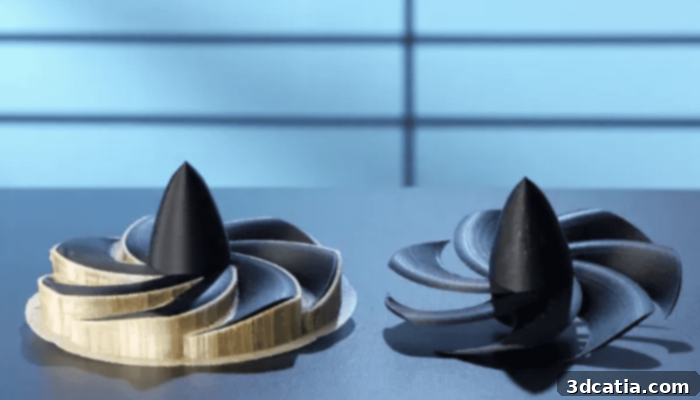
Photo Credits: Infinite Material Solutions
Organic Solvent-Soluble Materials: For Specialized Applications
While water-soluble materials offer convenience, some primary printing filaments, particularly those like ABS, require higher print temperatures and might not interact optimally with water-soluble supports. For these cases, organic solvent-soluble materials provide a robust alternative, offering excellent adhesion and thermal stability compatible with a wider range of engineering plastics.
HIPS (High Impact Polystyrene)
HIPS, or “High Impact Polystyrene,” is a versatile thermoplastic polymer that has found its niche as a prominent support material in FDM 3D printing. It is manufactured from a blend of polystyrene and polybutadiene rubber, a combination that imparts both rigidity and enhanced impact resistance, crucial characteristics for sturdy support structures. HIPS is particularly valued for its excellent solubility in organic solvents, primarily limonene (D-limonene). This specific solubility is its defining feature, distinguishing it from water-soluble alternatives and allowing for a simple, tool-free support removal process. Users need only immerse the printed part in a limonene solution, and the HIPS supports will gradually dissolve, leaving the primary printed object intact and clean.
Beyond its solubility, HIPS offers several other significant advantages. It boasts good heat resistance, making it an ideal companion material for filaments like ABS, which often requires higher printing temperatures and a heated build chamber. Its thermal properties ensure that HIPS remains stable and provides reliable support throughout the printing process, preventing warping or premature failure. Additionally, HIPS can be semi-translucent, which can be advantageous during printing as it allows for some visibility of the main print underneath. However, it is important to acknowledge that HIPS does come with certain drawbacks. The use of limonene requires proper ventilation and disposal, as it is a strong organic solvent. Furthermore, HIPS can be prone to discoloration over time if exposed to UV light or certain chemicals. During printing, like ABS, HIPS can produce fumes, necessitating good ventilation in the printing area. Its resistance to low temperatures is also relatively poor, which might influence its handling and storage in colder environments. Despite these considerations, HIPS remains a highly effective soluble support material for applications requiring strong support and compatibility with higher-temperature base materials.
PVB (Polyvinyl Butyral)
Polyvinyl Butyral (PVB) is another excellent choice for a soluble support material, especially for intricate and complex 3D printed objects that incorporate internal supports or delicate overhangs. Its solubility in common organic solvents like isopropyl alcohol (IPA) provides a clean and efficient method for post-printing support removal. This chemical solubility offers a distinct advantage not only for support dissolution but also for post-treatment processes. When exposed to IPA, PVB supports can be easily dissolved, but the material also lends itself to unique post-processing techniques such as chemical smoothing. This can significantly improve the surface finish of a PVB part itself, or even the primary print if parts of the PVB are left intentionally to be smoothed as part of the overall component.
The versatility of PVB extends to its extensive compatibility with a variety of popular printing filaments, including PETG and Nylon. This broad compatibility offers users considerable flexibility in their material choices, allowing for the creation of functional prototypes and end-use parts with complex internal geometries. For example, when printing with Nylon, which is known for its strength and flexibility but can be challenging to support, PVB provides a reliable and easily removable support structure. Its ability to create robust yet soluble supports, combined with the potential for chemical smoothing, makes PVB a valuable asset in advanced FDM 3D printing applications where precision, complexity, and a smooth finish are critical.
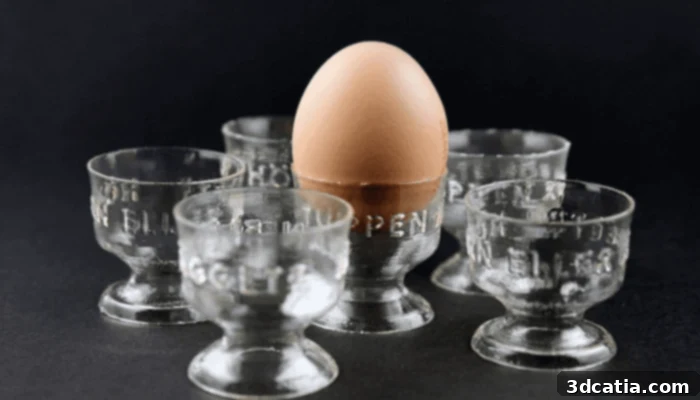
Photo Credits: Polymaker
ATP-Based Polymers: The Alkaline Solution
A newer category of soluble support materials, ATP-based polymers, offers an innovative approach to support removal, leveraging alkaline solutions instead of water or organic solvents. This unique chemical property provides distinct advantages, particularly in environments where humidity is a concern.
Acrylate Terpolymers (ATP)
ATP-based polymers, which stand for acrylate terpolymers, are an advanced class of materials ideally suited for 3D printing support structures due to their unique solubility in alkaline solutions. Unlike common water-soluble materials such as PVA or BVOH, ATP-based supports do not simply dissolve on contact with plain water. Instead, they require a liquid with an alkaline pH, typically achieved by adding a specific activator to water. This characteristic provides a significant advantage: ATP-based polymers are considerably less sensitive to ambient humidity compared to water-soluble filaments. This means they are more forgiving to store and handle in environments where moisture content might otherwise degrade the filament and impact print quality.
While they offer increased resistance to ambient humidity, it is still crucial to store ATP-based filament spools away from direct sunlight and in a cool, dry place to ensure optimal performance and longevity. In terms of compatibility, ATP-based support materials are generally well-suited for use with robust engineering filaments like ABS and ASA. However, specific compatibility can vary between manufacturers, so it is always essential to consult the detailed information provided by the filament producer regarding recommended printing parameters and compatible core materials. After the printing process is complete, the support structures can be efficiently dissolved by immersing the printed part in an alkaline liquid. This solution is typically prepared by adding a specialized activator – often supplied alongside the filament – to water. A notable example of an ATP-based support material is Zortrax’s Z-Support ATP, which includes its proprietary activator, simplifying the dissolution process for users. This innovative approach makes ATP-based polymers a reliable and convenient option for complex prints, particularly when working with materials that benefit from their specific dissolution properties and reduced humidity sensitivity.
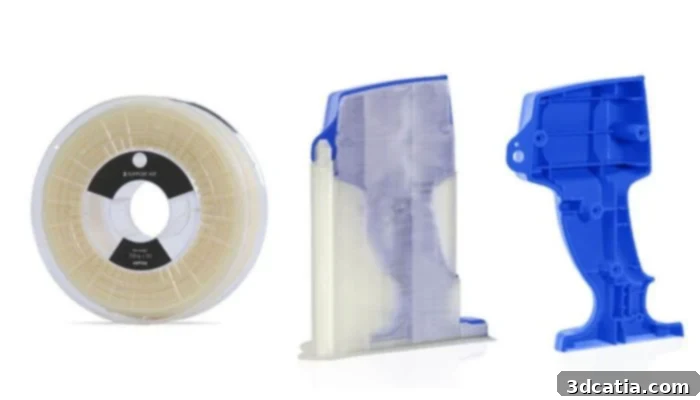
Photo Credits: Zortrax
Conclusion: Simplifying Your 3D Printing Workflow
The evolution of soluble support materials has revolutionized the landscape of FDM 3D printing, transforming what was once a cumbersome post-processing chore into a remarkably straightforward step. From the eco-friendly convenience of water-soluble options like PVA, BVOH, and the advanced Aquasys series, to the robust chemical solubility of HIPS and PVB, and the innovative alkaline dissolution of ATP-based polymers, there is now a specialized soluble support material available for virtually every FDM printing scenario. These materials not only simplify the removal of supports but also unlock new design possibilities, allowing for the creation of intricate geometries and complex parts that were previously impractical or impossible.
Choosing the right soluble support material largely depends on the primary filament you are using, the complexity of your design, and your specific post-processing requirements. By understanding the unique properties, compatibility, and dissolution methods of each material, you can significantly enhance your 3D printing workflow, improve part quality, and drastically reduce the time and effort spent on post-processing. Embracing these advanced soluble supports is a critical step towards mastering more complex and professional 3D printing projects. Do you prefer one type of soluble support over the others, or have you discovered unique applications? We’d love to hear your experiences! Let us know in a comment below or on our LinkedIn, Facebook, and Twitter pages! Don’t forget to sign up for our free weekly Newsletter here to get the latest 3D printing news straight to your inbox! You can also find all our videos on our YouTube channel.