
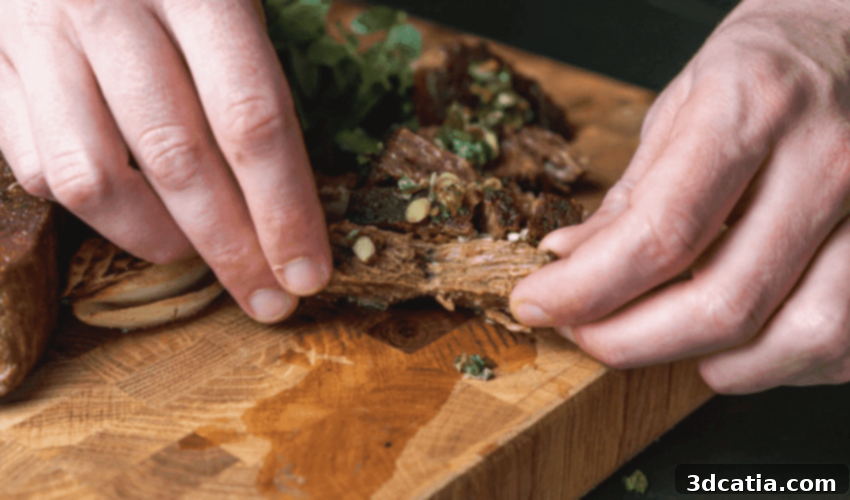
Steakholder Foods: Pioneering the Future of Food with 3D Printing and Sustainable Meat Alternatives
Over the past few years, the landscape of food production has witnessed a dramatic shift, driven by a burgeoning interest in advanced manufacturing techniques. Additive manufacturing, commonly known as 3D printing in the food industry, stands at the forefront of this revolution. This innovative technology promises to radically transform traditional food production methods, offering unparalleled opportunities for customization, sustainability, and efficiency. One of the most prominent examples of this groundbreaking trend is the work being done by Steakholder Foods, an Israeli company making significant strides in creating plant-based and cultivated meat alternatives.
Founded in 2019, Steakholder Foods distinguishes itself through its ambitious mission: to develop and offer plant-based and hybrid alternatives for a diverse range of products, including shrimp, eel, fish fillets, and various cuts of meat. The core objective is to meticulously replicate the authentic taste, texture, and appearance of conventional animal products, all while addressing the escalating consumer demand for more sustainable, ethical, and environmentally friendly food choices. Steakholder Foods is dedicated to producing food with a significantly lower environmental footprint, playing a crucial role in mitigating the impact of industrial farming and fishing, and ultimately contributing to the reduction of animal suffering globally. To gain deeper insights into their innovative approach and future plans, we recently connected with Tzahi Seger, the company’s Digital Marketing Manager.
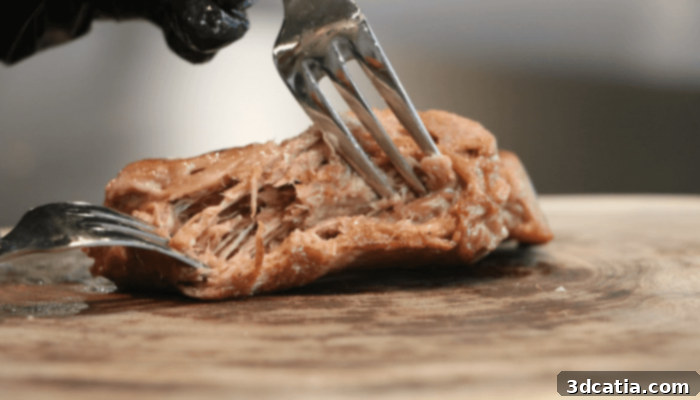
An example of a 3D printed meat alternative from Steakholder Foods
3DN: Could you introduce Steakholder Foods and explain your connection with additive manufacturing?
Steakholder Foods is positioned at the cutting edge of food innovation, actively building the foundational machinery, sophisticated software, and specialized printing materials that are essential to accelerate the plant-based and cultivated food industries towards full-scale production. Our vision is to become the industry standard, enabling widespread adoption of these sustainable food technologies. We offer a comprehensive suite of proprietary solutions, including advanced 3D printers specifically engineered for food, unique printing “inks” composed of food-grade ingredients, intuitive operating software, and continuous support services. This holistic approach empowers manufacturers of all sizes, from startups to established food corporations, to effectively implement and execute their plant-based and hybrid food offerings.
Leveraging our diverse range of manufacturing technologies and expert services, Steakholder Foods provides manufacturers with the capability to produce plant-based foods that authentically mimic the complex taste, satisfying texture, and realistic appearance of traditional meat and seafood. This innovation offers a compelling, ethical, and sustainable alternative to conventional industrialized farming and fishing practices. Our primary expertise lies in pioneering the creation of plant-based meat and seafood products that feature intricate and convincing textures – a key differentiator in consumer acceptance. While our immediate focus is firmly on perfecting plant-based options, we are simultaneously dedicating significant resources to the development of cultivated cells. These cultivated cells are designed for seamless integration into our existing printing platforms, representing a forward-looking strategy that aims to merge the best of both plant-based and lab-grown technologies for the future of food.
3DN: How does your 3D food printing process work, specifically regarding technology and materials used?
Our cutting-edge printing technology is a true game-changer in the realm of food manufacturing, delivering a wide spectrum of technical advantages that redefine what’s possible. At its core, we utilize advanced layered printing techniques, which allow us to strategically combine diverse food-grade materials within a single product. This precision layering enables the creation of incredibly intricate structures and nuanced textures – a feat that remains exceptionally challenging, if not impossible, with conventional food production methods. A critical aspect of our technology is fiber alignment, where we meticulously arrange edible fibers to closely mimic the natural muscle fiber structure found in real meat. This attention to detail significantly enhances the meat-like qualities of our plant-based products, providing a truly authentic eating experience.
Furthermore, our versatile technology allows for the seamless integration of additional post-printing processes. These can include cross-linking, which enhances structural integrity and texture, and the precise addition of fats, which are crucial for replicating the juiciness and mouthfeel of traditional meat. This level of customization and precision is unparalleled in the food industry, allowing us to meticulously cater to a broad array of specific consumer demands, dietary preferences, and nutritional requirements, thereby opening new avenues for personalized nutrition. We can tailor everything from protein content to fat distribution, ensuring each product meets exact specifications.
More specifically, the innovative food 3D printing process at Steakholder Foods represents a sophisticated fusion of advanced food printing technology and deep culinary science. The journey typically commences with the meticulous preparation of our proprietary “inks.” These inks are not traditional printing inks but are carefully formulated food compounds, primarily composed of various plant-based proteins, binders, natural flavorings, and other food elements designed to perfectly mimic the sensory and structural properties of real meat. Once prepared, these specialized inks are loaded into our state-of-the-art 3D printers. The printer then precisely deposits these inks, layer by infinitesimal layer, gradually building up the desired meat structure. This additive process grants us fine-grained control over every aspect of the product’s texture, shape, and internal architecture, enabling the creation of alternatives that so closely resemble traditional meat in terms of both taste and mouthfeel that consumers find them indistinguishable.
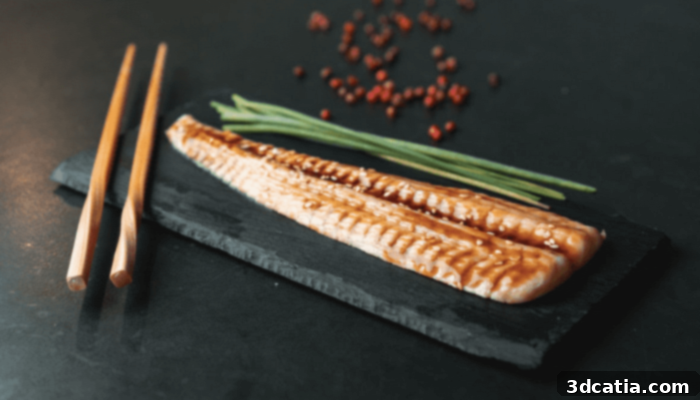
3DN: What foods can Steakholder Foods print today, and what are your future aspirations?
Currently, Steakholder Foods boasts an impressive capability to print a diverse array of plant-based meat and seafood products. Our innovative technology allows us to successfully produce convincing alternatives such as plant-based beef steaks, intricate fish fillets, and even complex seafood items like eel and shrimps. Each of these products is meticulously engineered to replicate not only the familiar taste and texture but also the nutritional content that consumers expect from conventional animal-derived meats. This commitment to holistic replication ensures that our alternatives are not just sustainable but also satisfying and nutritionally sound. Looking ahead, the company has ambitious plans to significantly expand its product portfolio, with a particular focus on developing and integrating a plant-based chicken fillet into our offerings.
Beyond plant-based innovations, we are also actively engaged in pioneering research aimed at significantly reducing the cost and increasing the scalability of cultivated meat – meat grown from animal cells without the need for slaughter. In the near future, our strategic vision involves utilizing our existing plant-based material platforms as a sophisticated scaffold for cultivated biomass. This hybrid approach will allow us to create products that combine the best attributes of both plant-based and cultivated technologies, paving the way for even more sustainable, ethical, and environmentally friendly meat alternatives that can meet the growing global demand for protein.
3DN: What potential challenges do you foresee or currently face in integrating food 3D printing into the mainstream?
While the promise of 3D food printing is immense, its integration into the mainstream food industry presents several significant challenges that require strategic solutions. One of the primary hurdles involves effectively scaling the technology for mass production. This means not only increasing output volume but also consistently ensuring the highest levels of quality, uniformity, and safety across millions of printed products. Maintaining precise control over texture, flavor, and nutritional profiles at an industrial scale is a complex undertaking that demands continuous innovation in hardware, software, and material science.
Furthermore, a considerable challenge lies in public perception and fostering widespread consumer acceptance. Introducing a fundamentally new food technology, particularly one that involves ‘printing’ food, often elicits curiosity alongside skepticism. Overcoming this requires extensive consumer education and transparent marketing efforts to demystify the process, highlight its benefits – such as sustainability, customization, and ethical production – and build trust in these novel food products. Additionally, navigating the evolving regulatory landscape for novel foods and ensuring compliance with stringent food safety standards across different regions adds another layer of complexity. Addressing these challenges effectively will be crucial for the successful and widespread adoption of 3D food printing technology.
3DN: What advantages do you believe 3D printing brings to the food sector, especially concerning sustainability and ethics?
3D-printed meat represents a truly revolutionary and transformative step forward in the pursuit of sustainable and ethical food production. By harnessing the power of advanced additive manufacturing technologies, we are capable of making profound positive impacts across multiple critical dimensions. Firstly, we can significantly reduce the environmental footprint associated with traditional livestock farming, which includes drastically cutting down on land and water usage, greenhouse gas emissions, and waste generation. This aligns perfectly with global efforts to combat climate change and conserve precious natural resources.
Secondly, our process fundamentally addresses pervasive animal welfare concerns by offering delicious and nutritious alternatives that do not require the rearing or slaughter of animals. This provides a humane solution for consumers seeking ethical food choices without compromising on taste or culinary experience. Thirdly, 3D printing enhances global food security. The flexibility and modularity of our printers mean they can be deployed virtually anywhere in the world, enabling localized food production closer to consumption centers. This reduces reliance on complex global supply chains, minimizes transportation costs and spoilage, and provides communities, even in the most remote regions, with access to high-quality, protein-rich food. Our ability to precisely mirror the intricate texture and robust taste of traditional meat promises a future where ethical, eco-friendly, and secure meat production is not just a niche market but widely accessible and a global standard.
Beyond these macro-level advantages, 3D printing also opens up unprecedented opportunities for customization. This allows us to tailor food products to specific nutritional needs, dietary restrictions (e.g., allergen-free options), or even personalized health goals, moving beyond a one-size-fits-all approach to food. The precision of the technology allows for the creation of unique textures and compositions that can’t be achieved through conventional means, pushing the boundaries of culinary innovation and offering exciting new experiences for consumers.
3DN: Any last words for our readers, perhaps summarizing the impact and future of Steakholder Foods?
As the world increasingly grapples with the multifaceted challenges of achieving sustainable food production, ensuring global food security, and promoting ethical meat consumption, pioneering technologies like 3D food printing emerge as an incredibly promising and viable solution. Companies such as Steakholder Foods are not just participants; they are truly at the vanguard of this transformative revolution, actively offering innovative and scalable approaches to meat production that hold the potential to profoundly reshape and improve our entire global food system. This is an incredibly exciting and dynamic period within the food industry, characterized by rapid advancements and immense potential for positive change across environmental, ethical, and societal dimensions.
We believe that our work in developing advanced 3D printing technologies for plant-based and cultivated meat alternatives is not merely about creating new products, but about laying the groundwork for a more sustainable, resilient, and humane future for food. We invite everyone interested in this paradigm shift to learn more about our mission, our technology, and our products. You can find comprehensive information, exciting updates, and deeper insights into our vision for the future of food by visiting our official website HERE.
What are your thoughts on Steakholder Foods’ innovative approach? Would you be open to trying their 3D printed meat alternatives as a sustainable and ethical choice? Let us know your perspective and engage in the conversation by leaving a comment below or by connecting with us on our various social media platforms, including LinkedIn, Facebook, and Twitter. Don’t miss out on the latest advancements and news in 3D printing; make sure to sign up for our free weekly Newsletter here to receive all the crucial updates directly in your inbox! You can also explore all our insightful videos and demonstrations on our dedicated YouTube channel.
*All Photo Credits: Steakholder Foods