
Revolutionary 3D-Printed Implant: A New Era for Type 1 Diabetes Management and Hypoglycemia Prevention
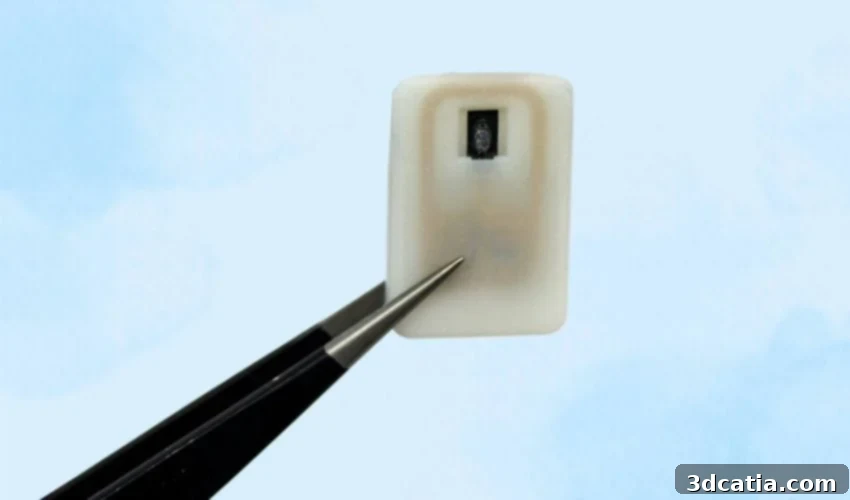
Living with type 1 diabetes presents a continuous challenge, demanding vigilant management of blood sugar levels to prevent both hyperglycemia (high blood sugar) and hypoglycemia (dangerously low blood sugar). Hypoglycemia, in particular, poses an immediate and severe threat, capable of leading to seizures, unconsciousness, and even death if not addressed promptly. In a groundbreaking development, researchers at the Massachusetts Institute of Technology (MIT) have engineered an innovative medical implant designed to provide an unprecedented layer of protection for individuals with type 1 diabetes against these life-threatening hypoglycemic episodes. This small, 3D-printed device acts as a sophisticated internal emergency response system, containing the vital hormone glucagon, which is automatically released into the body precisely when it’s needed most.
Diabetes is recognized as one of the most prevalent chronic diseases globally, affecting millions of people. In Germany, for instance, approximately 10% of adults are impacted by diabetes, with about 90% of these cases being type 2 diabetes. However, it is individuals with type 1 diabetes who face a unique and heightened risk of hypoglycemia. Type 1 diabetes is an autoimmune condition where the body’s immune system mistakenly attacks and destroys the insulin-producing beta cells in the pancreas, leading to an absolute deficiency of insulin. Without insulin, the body cannot properly utilize glucose for energy, necessitating daily insulin injections to maintain blood sugar stability. The delicate balance required to manage insulin dosages, carbohydrate intake, and physical activity often makes accidental low blood sugar an unavoidable reality for many. When blood sugar levels drop too low, the consequences can range from mild discomfort to severe medical emergencies. The proactive and automated intervention offered by MIT’s new implant represents a significant leap forward in ensuring patient safety and peace of mind.
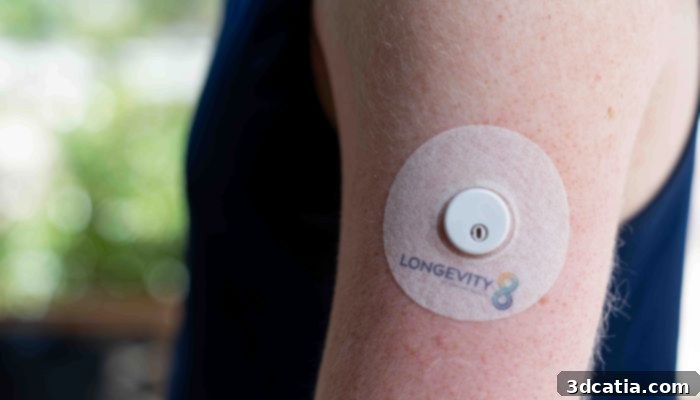
The new implant can be connected to a glucose monitor (Photo Credit: USA Today)
A Deep Dive into the Challenges of Type 1 Diabetes Management
For individuals living with type 1 diabetes, daily life revolves around meticulous blood sugar monitoring and precise insulin administration. The goal is to replicate the body’s natural insulin production as closely as possible, but this is an incredibly complex task. Factors such as diet, exercise, stress, illness, and even sleep patterns can drastically influence blood glucose levels, making consistent stability a constant struggle. Despite careful management, episodes of hypoglycemia can still occur, often unexpectedly. When blood sugar drops too low, the standard emergency protocol involves administering glucagon, a hormone that signals the liver to release stored glucose into the bloodstream, thereby raising blood sugar levels. While effective, this manual intervention relies heavily on the patient’s or caregiver’s timely recognition of hypoglycemic symptoms and the ability to administer the injection.
However, not all patients are fortunate enough to recognize the warning signs of impending hypoglycemia in time. Symptoms can include confusion, dizziness, sweating, tremors, and extreme hunger. In some cases, particularly during sleep or if individuals experience hypoglycemia unawareness (a condition where they lose the ability to perceive the typical warning symptoms), these crucial alerts are missed. This lack of awareness can lead to rapid deterioration, progressing from confusion to unconsciousness and severe complications. MIT professor Daniel Anderson highlights this critical issue: “Some patients can sense when they’re getting low blood sugar, and go eat something or give themselves glucagon. But some are unaware that they’re hypoglycemic, and they can just slip into confusion and coma. This is also a problem when patients sleep, as they are reliant on glucose sensor alarms to wake them when sugar drops dangerously low.” This is precisely where the revolutionary MIT implant offers a lifeline. Positioned discreetly under the skin, it functions as an intelligent medication reservoir, capable of automatically releasing glucagon during an emergency. This automated response can be triggered either through a seamless connection to an external blood glucose monitor or by manual activation, providing unparalleled security and eliminating critical delays in treatment.
Innovative Design and Advanced Materials: A Closer Look at the Device
The advanced implant, roughly the size of a quarter, is a testament to cutting-edge biomedical engineering and the transformative power of 3D printing. Its intricate structure was meticulously developed using advanced 3D-printed polymers, allowing for precise control over the device’s geometry and ensuring biocompatibility with the human body. At its core, the implant houses a vital reservoir, meticulously designed to store the glucagon hormone. This reservoir is ingeniously protected by a shape-memory alloy composed of nickel and titanium, a material celebrated for its remarkable ability to revert to a predetermined shape under specific thermal conditions. This special alloy is engineered to undergo a conformational change at approximately 40 degrees Celsius, a temperature slightly above normal body temperature, which facilitates the controlled release of the medication. This innovative mechanism ensures that glucagon is dispensed only when required, maintaining both safety and efficacy.
A significant challenge in developing such a device was ensuring the long-term stability of glucagon. In its natural, liquid form, glucagon remains stable in the body for only a short duration, making it unsuitable for extended storage within an implant. To overcome this hurdle, the MIT researchers ingeniously developed a stable powdered version of the hormone. This novel formulation allows the glucagon to be stored reliably within the implant’s reservoir for extended periods, ready for immediate deployment. Each compact implant is capable of holding up to four doses of this stable glucagon, providing multiple opportunities for intervention without requiring frequent replacement. This design minimizes the burden on patients while maximizing protection.

Injecting insulin can cause hypoglycemia (Credit Image: Getty Images)
The implications of this device for individuals with type 1 diabetes are profound. As Professor Anderson emphasizes, “Our goal was to build a device that is always ready to protect patients from low blood sugar. We think this can also help relieve the fear of hypoglycemia that many patients, and their parents, suffer from.” This constant readiness not only provides physical protection but also offers immense psychological relief, reducing the pervasive anxiety that often accompanies managing type 1 diabetes. The implant holds particular promise for vulnerable populations, especially children who may not be able to recognize hypoglycemic symptoms or administer an emergency injection themselves. Furthermore, its automated functionality makes it an ideal solution for treating nocturnal hypoglycemia, a common and dangerous occurrence when blood sugar levels can drop critically low during sleep without waking the individual. By acting as an autonomous guardian, the implant significantly enhances patient safety and improves the overall quality of life for those living with type 1 diabetes.
Broadening Horizons: Applications Beyond Diabetes Management
The innovative concept behind this 3D-printed implant extends far beyond the realm of diabetes management, opening up exciting possibilities for a new generation of emergency medical devices. The scientists envision a future where this adaptable platform could be utilized to deliver other critical emergency medications. For example, similar implants could be developed to automatically dispense epinephrine in cases of severe allergic shock (anaphylaxis) or to deliver life-saving drugs during sudden cardiac events like heart attacks. The ability to provide an immediate, automated therapeutic response to acute medical emergencies, regardless of the patient’s consciousness or proximity to medical aid, represents a paradigm shift in patient care. While the exact duration the implant can remain functional within the human body is still under investigation, the researchers are optimistic, hoping it will remain effective for up to a year. This long-term functionality would significantly enhance its utility and reduce the need for frequent medical procedures.
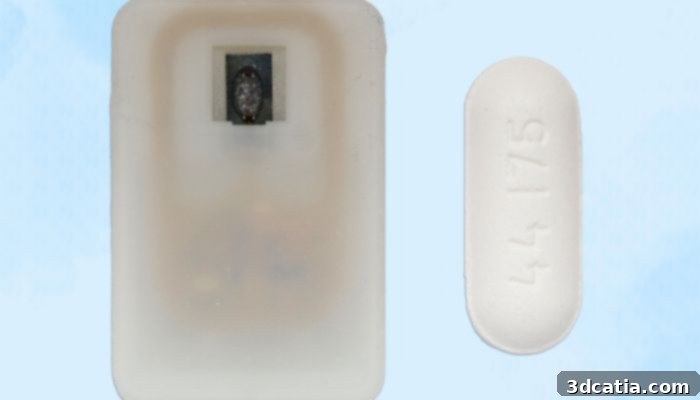
Other medications could also be delivered with the implant (Credit Image: MIT)
Robert Langer, a co-author of the study and a distinguished professor at MIT, expressed profound optimism regarding the project’s potential impact: “It’s really exciting to see our team accomplish this, which I hope will someday help diabetic patients and could more broadly provide a new paradigm for delivering any emergency medicine.” This sentiment underscores the transformative nature of this research, suggesting a future where personalized, on-demand emergency medication delivery becomes a standard of care. The potential to revolutionize the management of chronic conditions and acute emergencies is immense, offering improved safety, reduced anxiety, and ultimately, a better quality of life for countless individuals. For those interested in delving deeper into the specifics of this groundbreaking research, additional information can be found HERE.
What are your thoughts on this innovative implant and its potential to reshape emergency medical care? We invite you to share your perspective in a comment below or join the conversation on our LinkedIn or Facebook pages! Don’t miss out on the latest advancements in 3D printing and medical technology – sign up for our free weekly Newsletter to get breaking news delivered straight to your inbox. You can also discover more about 3D printing innovations by visiting our YouTube channel. Interested in further insights into medical and dental 3D printing? Explore our dedicated section HERE.
*Photo Credits: MIT