

3D Bioprinting’s Ethical Crossroads: Navigating Regulatory Challenges and Societal Impact
In the rapidly evolving frontier of biotechnology, three-dimensional (3D) bioprinting stands out as a transformative technology, offering unprecedented potential to reshape healthcare and address some of the most pressing medical challenges of our time. From revolutionizing organ transplantation and advancing tissue engineering to accelerating drug testing and development, fostering personalized medicine, aiding nerve regeneration, and creating sophisticated disease models, bioprinting’s applications are vast and continuously expanding. This innovative field is rapidly capturing the attention of researchers, investors, and healthcare professionals globally, promising to deliver solutions that were once confined to science fiction. However, as 3D bioprinting capabilities grow, it increasingly faces intense scrutiny over its profound ethical implications, complex legal frameworks, and significant regulatory hurdles.
The rapid expansion of the bioprinting industry, fueled by substantial investments, underscores an urgent need to confront and meticulously address the ethical complexities inherent in this revolutionary technology. To gain a clearer understanding of these challenges, we delve into the core of the bioprinting sector. Our exploration uncovers genuine ethical concerns stemming from the fabrication of artificial human organs, which involves controversial practices like the use of human embryonic stem cells, alongside potential risks associated with induced pluripotent stem cells (iPSCs). Furthermore, the digitization of biological data, the conduct of clinical trials, and the role of animal testing each present their own intricate layers of ethical consideration that demand careful navigation.
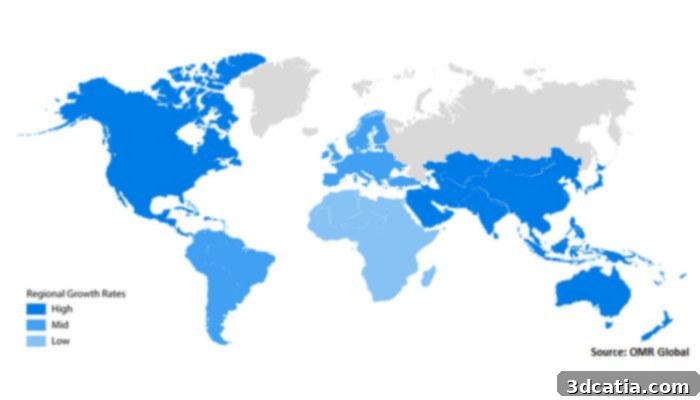
The global 3D bioprinting market size was accounted at 2.13 billion in 2022 and it is projected to hit around 8.3 billion by 2030 (Photo credit: OMR Global)
Placing 3D bioprinting under a critical microscope, this article examines the intricate interplay between its extraordinary potential to transform medicine and the pressing requirement for responsible governance. Navigating these complexities necessitates unraveling the delicate balance between fostering innovation and ensuring ethical accountability. Only by establishing robust ethical guidelines and regulatory frameworks can we ensure that the future of medicine advances not only with groundbreaking technologies but also with a clear conscience, prioritizing human well-being and societal values above all else.
Universal Laws and Standards in Biomedicine
To fully appreciate the path forward and identify areas for improvement in bioprinting, it is crucial to first understand the existing landscape of laws and standards governing biomedicine. These regulations establish a comprehensive framework that oversees various medical and biological aspects, from cutting-edge research endeavors to the development of technological innovations. This framework is instrumental in safeguarding patient safety, addressing complex ethical considerations, upholding the integrity of scientific research, and promoting responsible progress within the medical field. It provides essential guidance across multiple domains, each with its own specific focus and set of mandates.
For instance, the regulations surrounding Clinical Trials and Research Ethics form the bedrock of responsible medical investigation. They meticulously oversee the engagement of human subjects in both research studies and clinical trials, ensuring their rights and well-being are paramount. Bodies like Institutional Review Boards (IRBs) play a foundational role, rigorously reviewing research protocols to guarantee informed consent, protect participant rights, and enforce unwavering ethical adherence. Concurrently, Government Regulatory Agencies, such as the Food and Drug Administration (FDA) in the United States, bear the immense responsibility of supervising the entire lifecycle of medical device creation, from initial concept to market approval and post-market surveillance. Beyond these, data privacy laws like GDPR (General Data Protection Regulation) and HIPAA (Health Insurance Portability and Accountability Act) are increasingly vital, protecting the sensitive medical data of individuals. In a similar vein, intellectual property rights must also be thoroughly considered to ensure fair recognition and compensation for innovations in this rapidly advancing field.
Among these, Stem Cell Research occupies a particularly critical space, sitting at the intricate intersection of scientific advancement and profound ethical consideration. It outlines permissible boundaries for research, encompassing the highly complex and often controversial realm of embryonic stem cells. Similarly, Organ Transplantation navigates a delicate balance, prioritizing patient well-being while rigorously enforcing ethical sourcing of organs, fostering an equilibrium grounded in principles of fairness and responsibility. And of course, numerous other regulations exist for various aspects of healthcare, including reproductive technologies, where bioprinting could potentially intersect in the future, for instance, in the development of synthetic reproductive tissues or organs, raising entirely new sets of ethical questions.
Collectively, these legal dimensions weave a rich tapestry that enables biomedical progress to flourish within a structured and ethical environment. These laws and standards in biomedicine are not static; they must constantly adapt and evolve across diverse regions, remaining calibrated to the ever-changing landscape of scientific discovery and societal concerns. This dynamic equilibrium ensures that medical advancements are pursued within the boundaries of responsible and ethical conduct. While 3D bioprinting itself may not yet have a single, unified regulatory body, its development is implicitly guided and overseen by this existing tapestry of legislation from various interconnected bodies and domains.

While currently there isn’t a comprehensive set of regulations that oversee the entire bioprinting process, there is partial legislation pertaining to tissue engineering and regenerative medicine (photo credit: Walden University)
The Laws and Standards Pertaining To Bioprinting
To further understand the specific regulatory context for this innovative technology, it is now necessary to examine how existing laws and emerging standards are applied directly to the rapidly evolving field of bioprinting. Indeed, the section titled ‘Universal standards for tissue engineered products,’ from the insightful study “Current standards and ethical landscape of engineered tissues—3D bioprinting perspective”, published by PubMed Central, thoroughly discusses the crucial importance of establishing universal standards for tissue-engineered medical products (TEMPs). These standards are vital for ensuring consistent quality, safety, and efficacy across the globe, facilitating reliable clinical translation and patient access. The responsibility for establishing these benchmarks falls to highly respected international organizations, including the International Organization for Standardization (ISO) and the American Society for Testing and Materials (ASTM) International.
In practice, both ASTM and ISO have diligently published extensive lists of standards specifically tailored for TEMPs. These standards comprehensively cover various critical aspects, such as the classification of products, the properties and quality of biomaterials used, the design and integrity of cell and tissue constructs, rigorous safety protocols, and detailed assessment methodologies. By addressing these diverse facets, these standards play a pivotal role in regulating and ensuring the safety and quality of tissue-engineered products throughout their entire developmental journey, from initial pre-clinical research phases all the way to advanced clinical trials. Additionally, ISO has actively collaborated with a multitude of organizations and experts worldwide to continuously enhance global standards and quality, particularly focusing on additive manufacturing techniques, which are foundational to bioprinting and are utilized across various industries, including medicine.
Overall, these universal standards are indispensable for the validation of medical products, including the increasingly complex tissue-engineered products, ensuring their safety, reliability, and efficacy for human use. Given that bioprinting is a rapidly evolving field, the specific standards and the organizations involved in setting them are under continuous development and refinement. While the exact standards may vary depending on the specific application and geographical region, there are several general trends and critical aspects related to standards in bioprinting that consistently demand attention, which concern:
- Material Standards: There is a critical and ongoing need for standardized biomaterials that are not only compatible with diverse bioprinting processes but also definitively safe for use with living cells. The materials chosen must possess appropriate mechanical properties to withstand physiological stresses, demonstrate excellent biocompatibility to avoid adverse reactions, and exhibit predictable degradation rates when intended for temporary scaffolds. Constant efforts are underway to establish robust standards for the quality, purity, and specific characteristics of bioinks and scaffold materials, ensuring consistency and reliability across different applications.
- Cell Viability and Functionality: Developing standards to ensure that bioprinted constructs maintain optimal cell viability and functionality post-printing is paramount. Bioprinting processes, which can involve significant physical stress, must be designed to avoid compromising the survival and intrinsic behavior of the embedded cells, allowing them to proliferate, differentiate into target cell types, and perform their intended biological functions effectively within the engineered tissue.
- Printability and Resolution: Comprehensive guidelines are being explored for the meticulous design and precise printing of complex biological structures. Critical printability factors, such as the achievable resolution, the optimal layer thickness, and the appropriate nozzle diameter, need to be rigorously standardized to ensure the accuracy, fidelity, and crucial reproducibility of bioprinted constructs across different platforms and research settings.
- Bioreactor Culture: Many bioprinted constructs often require subsequent post-printing cultivation within specialized bioreactors to facilitate maturation and functional development. Standards are being carefully considered for the optimal culture conditions, encompassing parameters such as precise temperature control, regulated humidity levels, consistent nutrient supply, and controlled mechanical stimulation, all designed to promote optimal cell growth, tissue development, and functional integration.
- Quality Control and Characterization: Standardized methods for rigorous quality control and detailed characterization of bioprinted constructs are absolutely essential. This includes developing consistent protocols for evaluating cell viability, assessing cell distribution within the construct, analyzing tissue morphology, measuring mechanical properties, and verifying the specific functionality of the engineered tissue or organ model.
- Ethical and Regulatory Considerations: Given that bioprinting inherently involves working with living cells, tissues, and potentially organs, it raises profound ethical and complex regulatory considerations. Standards are being actively explored to ensure the responsible and safe use of bioprinting technologies, proactively addressing critical issues related to patient safety, informed consent, and the intricate realm of intellectual property rights in biological creations.
- Bioprinter Calibration and Validation: Ensuring the accuracy, precision, and reproducibility of bioprinting processes across different laboratories and machines requires standardized calibration and validation protocols for bioprinters themselves. This helps to achieve consistent and comparable results, fostering greater trust and reliability in research and clinical applications.
- Data Reporting and Sharing: Standardized reporting of bioprinting processes, the specific materials used, and the results obtained is crucial for facilitating international collaboration, ensuring reproducibility of experiments, and enabling meaningful comparison of research outcomes. The open sharing of data and detailed methodologies can significantly accelerate advancements throughout the entire field.
Dissecting the Regulatory Landscape
Despite the remarkable scientific progress, significant challenges persist in the clinical translation and adoption of engineered and bioprinted tissues (TEMPs). One of the primary obstacles is the glaring lack of standardized worldwide regulatory considerations specifically tailored for TEMPs, necessitating urgent amendments and expansions in current standards and regulations. Regulatory guidelines often vary significantly across different geographic regions and national jurisdictions, creating a fragmented and complex environment that complicates efforts to ensure consistent clinical translation and global market access for these innovative products. To overcome these inherent challenges, many regulatory bodies have adopted an adaptive, somewhat flexible approach to approving TEMPs, acknowledging their inherent complexity and the often non-reliable nature stemming from the use of natural biomaterials and living cells. However, this adaptive approach, while pragmatic, frequently encounters scientific uncertainties surrounding novel TEMPs, often resulting in prolonged delays in market approval and hindering their widespread availability to patients.
Beyond regulatory inconsistencies, profound ethical concerns frequently arise regarding the crucial choice of cell sources. While stem cells derived from adult donors are commonly utilized due to fewer ethical controversies compared to embryonic stem cells, they are not without their own potential long-term safety risks and issues related to immunogenicity, where the host’s immune system might reject the implanted tissue. Furthermore, variability after the implantation of TEMPs is another significant concern. Metabolically active cells within the host environment can react unpredictably, potentially causing adverse immune reactions, inflammatory responses, or mismatches with the surrounding native tissues, underscoring the need for meticulous long-term monitoring and further research into host-graft interactions.
Ethical Issues Surrounding Cell Use and Induced Pluripotent Stem Cells (iPSCs)
Adding to these complexities, human embryonic stem cells (ESCs) have, for a long time, been at the very epicenter of ethical controversies within the bioprinting and regenerative medicine fields, primarily due to their derivation from human embryos. While ESCs possess an unparalleled potential for differentiating into virtually any cell type in the human body – a quality known as pluripotency – their use raises profound ethical questions concerning the fundamental beginning of human life and the moral status afforded to embryos. The process of obtaining human ESCs for research purposes typically involves the destruction of human embryos, leading to intense and often heated debates over when life truly begins and the moral implications of such destruction. Moreover, the prospective commercialization of human ESC-derived products has met with considerable resistance from various religious groups and ethical organizations, who advocate for the sanctity of human life from conception. These deeply held religious and moral considerations underscore the paramount importance of engaging in transparent, inclusive ethical discussions and meticulously considering diverse perspectives when developing guidelines and regulations for bioprinting technologies that involve human ESCs.
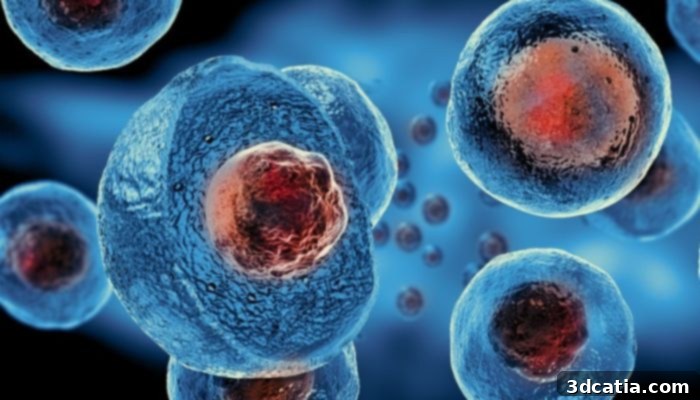
Embryonic stem cells (Photo credits: BioTechne)
Another significant ethical and safety challenge emerges from the innovative use of induced pluripotent stem cells (iPSCs). The application of iPSCs in 3D bioprinting holds immense promise for the future of regenerative medicine, offering a potentially less controversial alternative to ESCs. iPSCs are adult somatic cells that have been genetically reprogrammed to exhibit embryonic stem cell-like properties, endowing them with the remarkable ability to differentiate into a wide array of cell types. This unique capability to generate patient-specific cells without the profound ethical concerns associated with the destruction of human embryos has made iPSCs an incredibly attractive and highly researched option in the bioprinting field. However, the utilization of iPSCs is not entirely devoid of its own set of ethical and practical challenges. One significant concern is the inherent potential for abnormal reprogramming during the iPSC induction process. Studies, such as the one conducted by Keisuke Okita, a lecturer at the Center for iPS Cell Research and Application in Kyoto University, Japan, have meticulously highlighted the critical need for extreme caution to prevent genetic aberrations and to rigorously ensure the safety and integrity of bioprinted tissues or organs derived from these cells.
Furthermore, tumorigenicity, which is the production of or tendency to produce tumors, has been observed as a serious risk factor in iPSCs during stem cell therapy applications. A comprehensive study by Andrew S. Lee, a distinguished researcher at the Institute for Stem Cell Biology and Regenerative Medicine, Stanford University School of Medicine, emphatically underscores the importance of thoroughly addressing this crucial risk to prevent the potential formation of tumors in patients receiving iPSC-based treatments. Lee states, “Pluripotent stem cells (PSCs), including embryonic (ESCs) and induced pluripotent stem cells (iPSCs), offer immense potential as a source for regenerative therapies. However, the intrinsic qualities of self-renewal and pluripotency that make these cells so therapeutically promising are also responsible for an equally fundamental tumorigenic potential.”
The study further elucidates that “the risks of PSC tumorigenicity have been highlighted over the past several years in a number of small and large animal studies,” providing concrete evidence for this concern. Ensuring the utmost safety and demonstrated effectiveness of iPSC-derived products is absolutely vital to maintain public trust in this groundbreaking technology and to rigorously protect the well-being of patients. This challenge of tumorigenicity, therefore, remains a significant hurdle that must be overcome for the widespread clinical application and acceptance of Pluripotent Stem Cell therapies, including those utilized in advanced bioprinting applications.
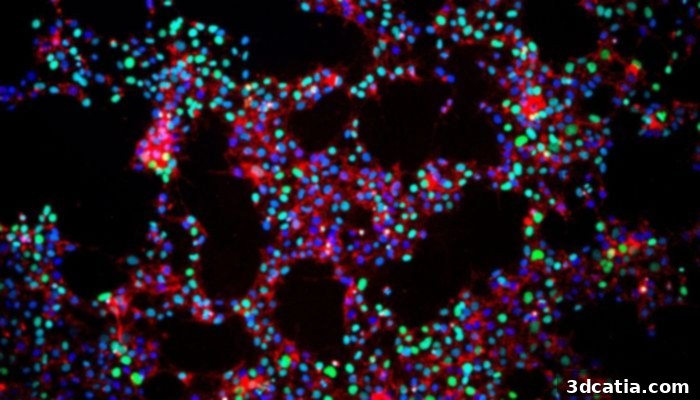
Microscopic view of Induced pluripotent stem cells (Photo credit: Gladstone Institute)
Ownership
Ownership of Bio-Printed Products
Given that bioprinting inherently involves the precise use of human stem cells and their unique genetic components to create functional tissues and organs, the profound question of who possesses ownership rights over these resultant bioprinted products is anticipated to fuel intense and complex discussions. This critical debate extends beyond the physical constructs themselves to encompass the sensitive realm of patient data and, crucially, the genetic material of the patients from whom the cells were originally derived. Various parties hold vested interests in this matter, including the healthcare providers who perform the procedures, the researchers who develop the technologies, the biotechnology firms that commercialize them, and, most importantly, the patients themselves who receive these bioprinted tissues or organs. To proactively prevent the potential emergence of an illicit black market for bioprinted organs—a dystopian scenario—it is highly probable that legal experts, medical ethicists, and policymakers will need to collaborate closely. Their collective effort will be essential in establishing clear, comprehensive ethical guidelines and robust legal frameworks for managing these novel biological assets, thereby ensuring fairness, transparency, and equity for both the patients and all other involved stakeholders.
Ownership of Intellectual Property
Niki Vermeulen, a distinguished researcher at the Centre for Science and Technology Studies (CWTS), has extensively explored the intricate complexities involved in formulating an appropriate intellectual property framework for the burgeoning field of bioprinting. In a compelling study that examines the socio-ethical views on printing human organs, Vermeulen asserts that these “new forms of printing will have the same revolutionary and democratizing effect as book printing in their applicability to regenerative medicine and industry.” She provocatively predicts that sophisticated biological structures designed for individual patients will become “as available as text in modern literate societies,” thereby drawing several fascinating parallels between 21st-century 3D bioprinting and the transformative 15th-century printing press in terms of process, development, and accessibility.
This study poses a significant quandary revolving around the fundamental classification of bioprinting: should it be categorized as a medical device eligible for traditional patent protection, or as a non-patentable medical procedure? This deliberation critically hinges on whether the technology should be regarded solely as a commercially viable innovation—a product to be bought and sold—or as a fundamental, potentially universal medical practice for the future. In all likelihood, it may embody aspects of both. Moreover, an ongoing and fervent debate centers on whether the act of granting patents in this domain truly fosters innovation by incentivizing research, or if it instead hampers progress by restricting access to essential techniques and knowledge. Crucially, in the context of bioprinting, the outcome of this debate has the potential to exert a direct and profound impact on the lives of millions worldwide, affecting access to life-saving treatments. Vermeulen and her colleagues propose a plausible resolution to this predicament: fostering collaborative engagement between both the private and public sectors. This collective effort would be aimed at establishing innovative mechanisms for the creation, and more importantly, the equitable distribution of research benefits, ensuring that advancements in bioprinting serve the greater good.
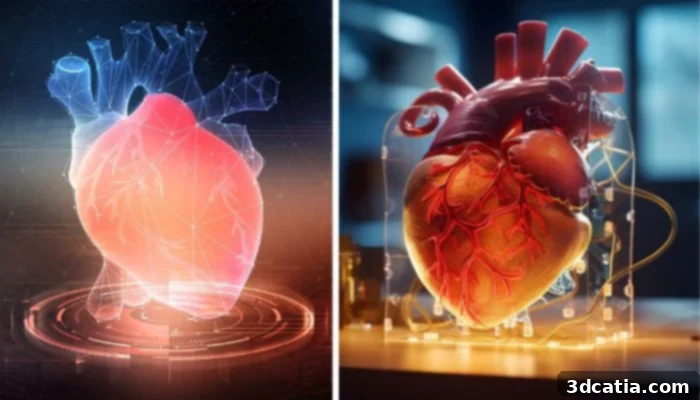
Ownership over one’s bio-printed and intellectual property is a future concern (photo credits: American College of Cardiology Foundation (left) and Pixstastock (right))
Clinical Trials
Designing Ethical Clinical Trials
The meticulous design of ethical clinical trials for 3D bioprinting applications is not merely a procedural requirement but an absolute necessity to ensure the safe, personalized, and truly effective delivery of treatments. Factors such as stringent inclusion criteria and the sensitive participation of terminally ill patients in these novel trials demand the most careful ethical evaluation. The goal is to strike a delicate balance between exploring potential groundbreaking risks and benefits, while simultaneously upholding the foundational ethical principles that govern all research and clinical practice. The ethical and legal dimensions of 3D bioprinting are of paramount importance for the responsible development and judicious application of this profoundly transformative technology. As we continue to explore the vast, revolutionary potential of bioprinting to reshape healthcare, it is imperative to engage in ongoing, robust discussions, implement comprehensive and adaptable regulations, and establish crystal-clear ethical guidelines. These measures are essential to ensure its ethical, equitable, and beneficial integration into mainstream healthcare practices. By proactively addressing these complex ethical challenges, we can pave the way for the responsible and beneficial advancement of bioprinting, ultimately serving the best interests of patients and society as a whole.
Looking towards the immediate future, 3D bioprinting holds considerable promise, with potential commercialization of simpler bioprinted tissue models and “organ-on-chip” devices anticipated within the next 5-8 years. These advancements could significantly impact drug discovery and disease modeling. However, the widespread commercialization of complex 3D bioprinted tissues and fully functional organs is likely to take several decades. This extended timeline is primarily due to their intricate nature, the heterogeneous biological compositions required, and the profound physiological challenges involved. Overcoming formidable obstacles such as achieving ultra-high-resolution printing, cultivating functionally heterogeneous tissues that mimic native organs, developing robust and long-lasting vascular networks within larger constructs, and meticulously addressing all ethical and safety concerns will be absolutely crucial for realizing the full potential of 3D bioprinting in future clinical applications.
Are Current Practices Up to Standard?
However, a critical question remains: are current bioprinting standards truly fulfilling their intended role in governing this rapidly evolving field? It appears that while current practices in bioprinting are indeed progressing at a significant pace, they continue to grapple with persistent challenges in achieving universal standardization and ensuring consistent reliability. Despite the impressive advancements in bioprinting technology over recent years, there are still notable instances where existing practices fall short of desired and necessary standards, potentially impacting patient safety and therapeutic efficacy.
A significant hurdle pertains to the persistent lack of truly standardized biomaterials that are optimally suitable for a diverse range of bioprinting processes. Variations in material properties, even within the same class of bioinks, can lead to unpredictable inconsistencies in the mechanical properties, degradation rates, and crucial biocompatibility of printed constructs. Such variability directly affects the overall functionality, stability, and safety of the engineered tissues. Another pressing concern involves maintaining the consistent viability and functionality of cells within bioprinted constructs. While researchers strive tirelessly for high cell viability, instances frequently arise where the physical stresses of the printing process itself compromise the survival, proliferative capacity, and intended behavior of the embedded cells, primarily as a result of mechanical forces exerted during extrusion or droplet formation. Furthermore, the absence of universally standardized protocols for systematically characterizing and evaluating bioprinted constructs significantly hampers effective quality control. Variations in assessment criteria, measurement techniques, and reporting methods make cross-study result comparison challenging, impeding collaborative progress and regulatory clarity. Another salient and enduring challenge concerns the successful integration of functional vascular networks into bioprinted tissues, which is absolutely essential for proper nutrient and oxygen supply to larger, more complex constructs. Efforts to create functional blood vessels within engineered tissues have faced considerable complexity, profoundly impacting the successful vascularization of larger tissues and requiring continuous improvement of current techniques. Moreover, the varying and often unprecedented scenarios that arise, such as the generation of human organs for transplantation, raise profound concerns about issues like organ ownership, the intricacies of patient consent for such novel interventions, and the establishment of clear, agile regulatory pathways. These complexities collectively highlight the increasing necessity for comprehensive ethical and regulatory frameworks specifically tailored to the unique attributes of bioprinting.
In short, while bioprinting has undoubtedly advanced with remarkable speed and innovation, persistent challenges related to biomaterials, cell viability, characterization protocols, and vascularization underscore that current practices still have considerable room for improvement. These ongoing challenges emphasize the critical importance of sustained, collaborative efforts to develop and implement standardized guidelines and robust protocols across the entire bioprinting workflow. Such standardization is vital to significantly enhance the reliability, consistency, and ultimately, the clinical translatability of bioprinted products. These examples collectively highlight the inherent complexity of bioprinting and the urgent need to address its multifaceted technical, ethical, and regulatory challenges to establish universally accepted standards that will benefit humanity.
Do you think the current standards are sufficient in the face of these profound ethical considerations and rapid technological advancements? We invite you to share your thoughts in a comment below or connect with us on our LinkedIn, Facebook, and Twitter pages! Don’t forget to sign up for our free weekly Newsletter here to receive the latest 3D printing news straight to your inbox! You can also find all our insightful videos on our YouTube channel.
*Cover photo credits: Deep-image.ai