
The Transformative Power of Medical 3D Printing: Revolutionizing Healthcare for a Personalized Future
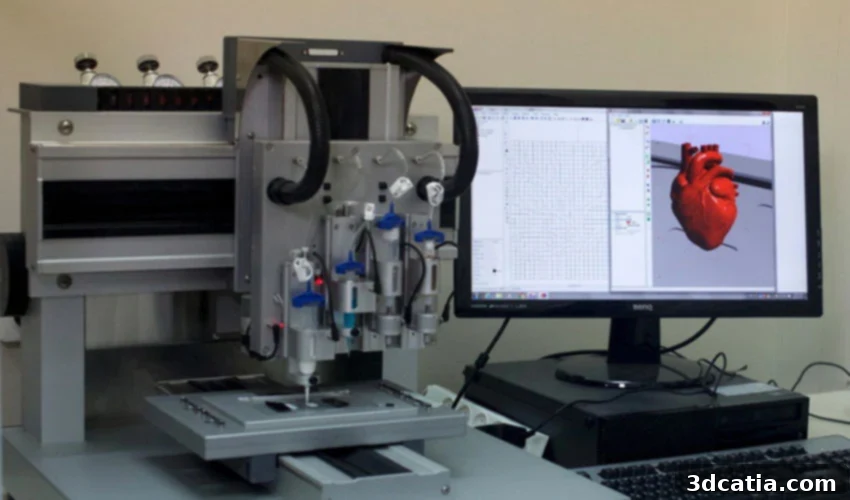
Additive manufacturing, commonly known as 3D printing, stands as a groundbreaking technology poised to revolutionize numerous production modes across industries. While it still faces challenges in competing with conventional manufacturing methods, primarily due to perceived speed limitations for large-scale production, its impact in specific, high-value sectors is undeniable. For many mass-market applications, 3D printing large series remains time-intensive and is not yet the preferred manufacturing method. However, the medical field represents a compelling frontier where this technology is rapidly gaining traction and demonstrating its unparalleled potential. The ability to create highly customized solutions tailored to the unique needs of each patient is a game-changer in a world where billions of distinct human morphologies exist. Doctors and healthcare providers are constantly striving to adapt treatments and devices to these individual differences, and additive manufacturing offers an innovative pathway to achieve truly personalized medicine. It enables the design and production of bespoke devices that precisely meet patient requirements, moving away from a one-size-fits-all approach.
The burgeoning medical 3D printing market is a testament to this transformative shift. According to the American firm Allied Market Research, the market was valued at an impressive $2.3 billion by 2020, and projections indicate continued robust growth. This significant expansion in medical additive manufacturing can be largely attributed to the unprecedented opportunities it provides for customization and patient-specific solutions. From crafting intricate prostheses and implants that seamlessly integrate with a patient’s anatomy to facilitating precise surgical planning and manufacturing essential medical devices like surgical guides and visual aids, 3D printing is enhancing precision, efficiency, and outcomes in healthcare. These innovations are not just theoretical; they are actively being implemented, shaping the future of medical care in profound ways.
Additive Manufacturing for Custom Implants and Prostheses
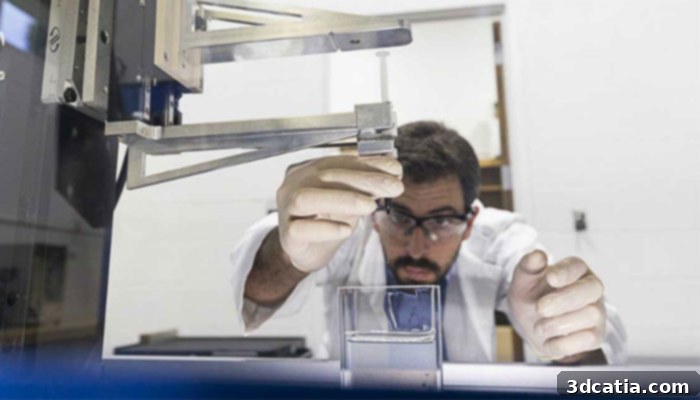
One of the most impactful applications of additive manufacturing in medicine is the design and production of implants and prostheses. An implant is fundamentally designed to replace a failing organ or supplement its functions over an extended period. By its very nature, it must be perfectly adapted to the patient’s unique anatomy and physiological requirements. Historically, achieving this level of customization through traditional manufacturing methods has been a time-consuming, labor-intensive, and prohibitively expensive endeavor. This is precisely where additive manufacturing shines, offering a flexible and cost-effective approach to create custom implants that were once unattainable or impractical. A growing number of medical device manufacturers and startups are leveraging 3D technologies to produce personalized medical devices, moving beyond standardized sizes to truly patient-specific solutions.
A notable example is the French startup, AnatomikModeling, which pioneered the development of the first tracheobronchial prosthesis using advanced 3D printing technologies. Benjamin Moreno, the firm’s managing director, elaborates on the profound advantages: “The use of 3D printing offers several key benefits. It allows us to transition directly from a 3D digital model to a highly precise 3D physical anatomical model. This significantly reduces lead times and manufacturing costs, accelerating the entire process. More importantly, it ushers in a new era of personalized medical devices, enabling us to create anatomical models with extremely complex geometric shapes that would be nearly impossible to achieve with traditional manufacturing techniques.” This capability ensures that implants perfectly match the intricate anatomical contours of the patient, leading to better fit, reduced complications, and improved patient comfort and recovery.
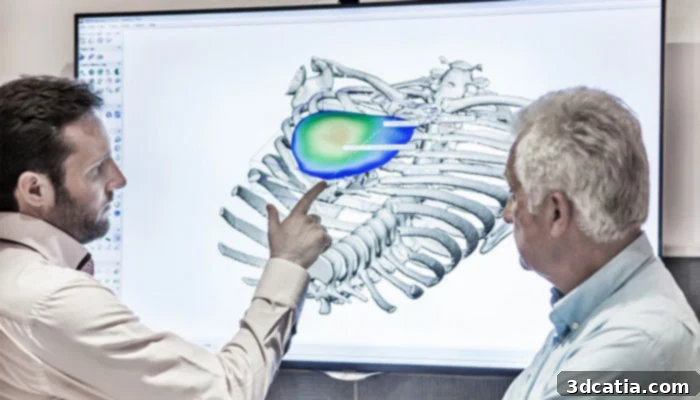
Photo Credits: AnatomikModeling
By embracing additive manufacturing, manufacturers of prosthetics and implants can more readily develop solutions that are precisely dimensioned, feature complex internal and external designs, and are produced at a reduced cost compared to bespoke traditional methods. While the long-term durability data for 3D printed medical devices is still accumulating, compelling examples already demonstrate their effectiveness. For instance, 3D printed titanium hip cups have shown remarkable longevity and efficacy post-implantation, negating the need for patients to undergo revision surgeries every decade. This significantly enhances the patient’s quality of life and reduces the burden on healthcare systems. The choice of materials, such as biocompatible titanium alloys and specialized polymers, is critical for ensuring the safety and performance of these advanced implants.
Beyond complex surgical implants, medical 3D printing has also streamlined the production of more common devices like hearing aids and dental prostheses. The manufacturer EnvisionTEC highlights a dramatic improvement in efficiency, reporting that the number of manufacturing steps for hearing aids has been cut from nine to just three in a few short years. This expedited process begins with an audiologist using a 3D scanner to capture a highly detailed impression of the patient’s ear, generating 100,000 to 150,000 data points. This digital model is then sent to a specialist who sculpts the final design. Once finalized, the customized hearing aid is 3D printed from a biocompatible resin and fitted with the necessary electronic components. EnvisionTEC proudly states that this automated process allows them to print approximately 65 prostheses per hour, underscoring the remarkable scalability and efficiency brought by 3D printing to the production of these essential medical devices.
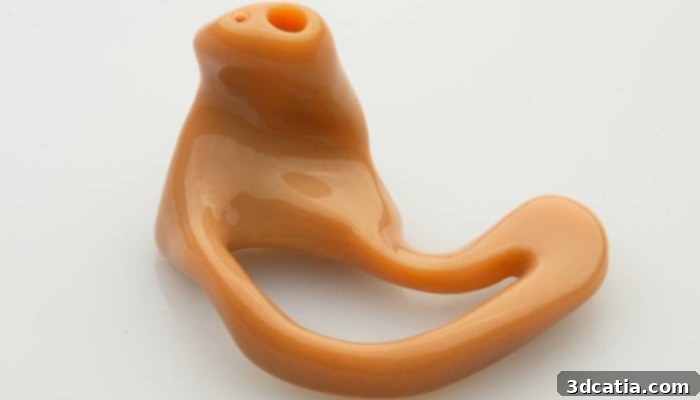
A hearing aid printed in 3D
Additive Manufacturing for Surgical Simulation and Training
The staggering statistic that medical errors are the third leading cause of death in the United States underscores an urgent need for enhanced surgical training and error reduction strategies. Fortunately, 3D printing technologies are emerging as a powerful tool to address this critical issue. These technologies enable the rapid creation of patient-specific surgical models, providing surgeons and medical apprentices with invaluable opportunities to practice and refine their skills before entering the operating room. Such immersive training can significantly limit the incidence of errors, thereby improving patient safety and surgical outcomes. Moreover, these highly realistic, 3D printed anatomical models can also serve as educational aids, presented to patients prior to their operations. This allows patients to visualize and understand each step of their upcoming procedure, fostering greater trust and transparency and ultimately enhancing the practitioner-patient relationship.
Thomas Marchand, CEO of the French startup BIOMODEX, eloquently explains how 3D printing is revolutionizing surgical education: “It allows us to offer a true alternative to current surgical training solutions that are often unsatisfactory, such as training directly on patients, or using anatomical parts from cadavers or animals, which present significant ethical and logistical challenges. Through our web platform, a doctor can upload medical images of their patient – sourced from scanners, MRIs, or ultrasounds. Within a few days, they receive a synthetic BIOMODEX organ at their hospital. On this replica, the surgeon can practice, choose the optimal surgical approach, develop the right operative strategy, and even select the most appropriate prosthesis for their patient, considering size and positioning.” Some of the most advanced 3D printed models can even mimic physiological responses like bleeding, providing an exceptionally realistic training environment that closely simulates actual surgical conditions. This level of realism dramatically increases the accuracy and efficiency of surgical procedures, preparing surgeons for complex scenarios with confidence.
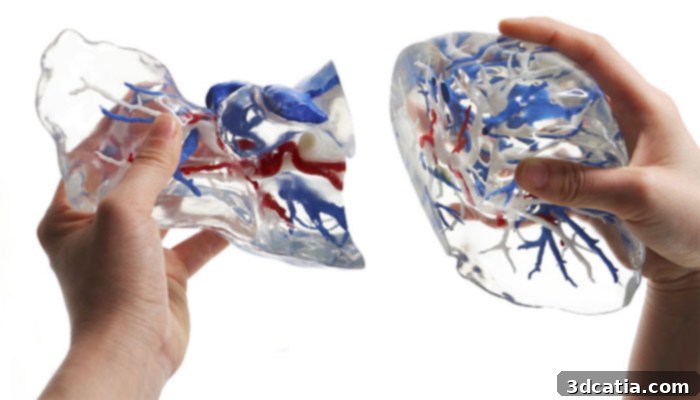
Photo credits: Hebei University
The overarching goal of these advancements is to significantly reduce medical errors by providing surgeons with superior training methodologies. Moving away from traditional, often problematic, training on animals or cadavers resolves many logistical hurdles and addresses pressing ethical concerns. Dr. Ahmed Ghazi, assistant professor in the Department of Urology at the University of Rochester, draws a compelling parallel: “Surgeons are much like pilots. For every pilot, there’s a critical moment when they must take off a 747, alone, for the very first time. For a surgeon, performing an operation from start to finish with perfect autonomy is an equally vital milestone. While pilots have the benefit of highly realistic flight simulators, surgeons have, until now, lacked a truly valid and comprehensive simulation system.” 3D printing is finally filling this critical gap, equipping surgeons with the tools to practice, learn, and master complex procedures in a safe, controlled, and realistic environment before operating on human patients.
Bioprinting: Creating Tissues and Organs
Currently primarily confined to research applications, bioprinting represents perhaps the most revolutionary frontier in additive manufacturing for medicine. This rapidly evolving technology has seen significant advancements in recent years, holding the promise of entirely reshaping transplantation medicine and drug discovery.
Bioprinting utilizes specialized 3D printers and “bio-inks” (mixtures of living cells and biocompatible materials) to create complex cellular structures, layer by layer. The ultimate vision is to design and produce functional living organs. While fully functional, long-term viable organs for transplantation are still a future goal, the progress made thus far is nothing short of astounding. The American company Organovo, for example, is a leader in this field, having successfully developed and grafted living bone tissue and functional liver tissue using bioprinting techniques. Similarly, the firm Aspect Biosystems has engineered a sophisticated bioprinter known as RXI, capable of creating custom, physiologically complex human tissues. Such breakthroughs open doors not only for developing synthetic organs for transplantation but also for enabling the testing of different drugs on specially created human tissues, offering a more ethical and accurate alternative to animal testing.
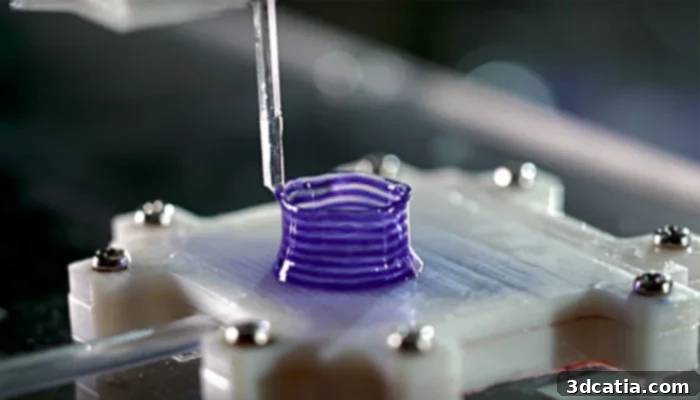
The Aspect Biosystems 3D Bioprinter
Among the diverse applications, bioprinting offers immense potential for creating custom skin grafts, providing a groundbreaking approach to treating severe burns and other extensive skin injuries. Marc Jeschke, a cosmetic surgeon, shared his perspective: “Once you are able to create synthetic skin from the cells of a patient, it completely changes the situation because you can operate very quickly.” This capability dramatically speeds up treatment and recovery for patients. Further advancing this field, researchers in South Korea have combined two distinct printing methods – extrusion and inkjet – to create collagen-based skin integrated with a polycaprolactone membrane. While still in early developmental stages, the bioprinting of skin holds the promise of revolutionizing reconstructive surgery and even the cosmetics industry, where products could be directly tested on bio-printed human skin, offering more reliable and ethical assessment methods.
3D Printing of Pharmaceuticals and Customized Drugs
Another profoundly promising area of 3D printing technology is the ability to print custom medications, a development that could transform pharmaceutical care within a few years. While the technological capabilities for 3D printing drugs are largely in place, the primary hurdle lies in the highly complex and stringent regulatory framework governing the pharmaceutical industry. Bringing any new drug or drug delivery method to market requires meeting extensive requirements for safety, efficacy, and quality control. Despite these regulatory complexities, the company FabRx is a strong proponent of the opportunities 3D printing offers in this market, focusing specifically on producing 3D printed medicines. Dr. Alvaro Goyanes, one of its leaders, explained the far-reaching implications: “Being able to create tablets or medical devices by simply modifying a 3D file offers a wealth of opportunities. The simplest is to be able to change the size or the infill (the percentage of material inside the object) and thereby change the mass of the tablet and, consequently, the dose of the drug.“
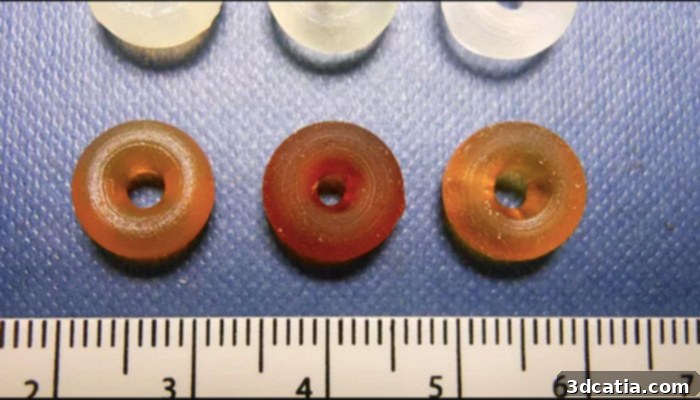
FabRx’s medications
This groundbreaking capability means that drug dosages could be precisely adjusted for each individual patient, significantly more easily and quickly than traditional manufacturing allows. This advancement holds particular interest for fields like pediatrics, where a child’s age, weight, and metabolism profoundly influence the appropriate drug dosage. As Dr. Goyanes further elaborates, “It would also be possible to combine two or more drugs into a single tablet, significantly reducing the number of pills a person has to swallow, which is especially important for elderly patients who often manage multiple medications.” This not only improves patient adherence but also simplifies complex medication regimens.
Regarding the printing technology employed, FabRx primarily utilizes a process similar to powder sintering, where the active drug ingredient is contained within the powder material. Dr. Goyanes clarifies the versatility of this approach: “Depending on the materials we select, we can achieve very rapid release of the drug or precisely targeted release into specific regions of the gastrointestinal tract, optimizing drug absorption and therapeutic effect.” This level of control over drug release kinetics represents a significant leap forward in pharmaceutical formulation.
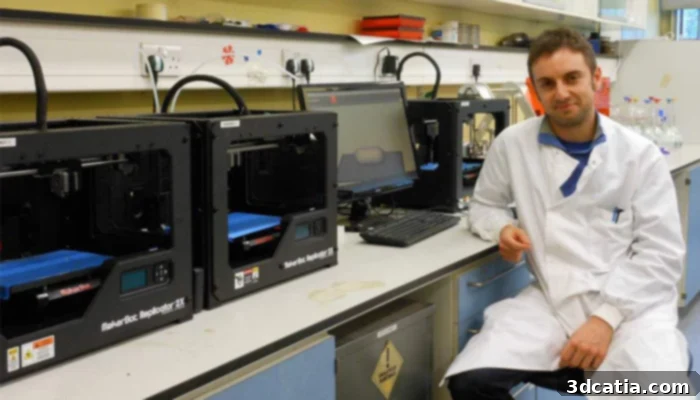
Dr. Alvaro Goyanes
FabRx aims to equip hospitals with their 3D drug printers within the next two years. However, navigating the regulatory landscape remains a primary challenge. The company acknowledges that the precise validation process steps are still being defined. The level of regulatory scrutiny will largely depend on whether 3D printing is classified as a “manufacturing step” or merely a “compositional step” in the drug production process. If it falls under manufacturing, it will face a much higher level of control and rigorous regulation; if considered a compositional step, the regulatory pathway may be less stringent. This distinction will be crucial in determining the speed and ease with which 3D printed drugs can reach patients.
Without a doubt, the medical field is poised for an incredibly bright future, largely shaped by the continued emergence and rapid development of additive manufacturing technologies. In the coming decade, we anticipate that healthcare will undergo profound transformations driven by innovations such as medical 3D printing. We may witness the advent of the first fully functional, bio-printed organs, a technological marvel previously confined to the realm of science fiction, now on the cusp of becoming a tangible reality. This confluence of technology and medicine promises to usher in an era of unprecedented personalization, precision, and accessibility in healthcare.
What are your thoughts on medical 3D printing and its potential to reshape healthcare? Let us know in a comment below or on our Facebook and Twitter pages! And remember to sign up for our free weekly Newsletter to get all the latest news in 3D printing sent straight to your inbox!