
Unlocking Opportunities: Navigating Recruitment and Career Growth in the Additive Manufacturing Industry
The additive manufacturing (AM) sector is experiencing unprecedented growth, leading to a dynamic shift in both the supply and demand for specialized jobs. As this innovative industry matures, both companies and job seekers must strategically prepare for the evolving landscape. The 2018 The Future of Jobs report underscored this transformation, noting a 16% increase in new jobs related to Industry 4.0 and additive manufacturing. This figure was projected to rise significantly to 27% by 2022, highlighting AM’s pivotal role in the future of work. Furthermore, additive manufacturing technology is rapidly transitioning from a prototyping tool to a production-ready process for diverse industrial applications. This evolution inherently redefines the professional profiles and skill sets highly sought after by leading companies.
To comprehensively understand these industry shifts and equip professionals for success, we sought insights from three distinguished experts in the additive manufacturing field. They offered invaluable perspectives on the most effective strategies for both recruiting and being recruited within the dynamic 3D printing sector, addressing the key challenges and opportunities that define the AM industry’s talent landscape.
Our first expert, Phillip Hodson, serves as the Managing Director at Kensington Additive, a specialized division of Kensington Consulting Ltd. This UK-based firm ventured into additive manufacturing recruitment five years ago and has since cultivated partnerships with prominent industry leaders. Next, we heard from Eduardo Alonso, General Manager at EOS, a globally recognized manufacturer renowned for its cutting-edge industrial additive manufacturing solutions. Completing our panel of experts is Nick Pearce, the CEO and Co-Founder of i-AMdigital, an innovative career platform specifically tailored for the 3D printing market, connecting talent with opportunity.
-

- Phillip Hodson
-
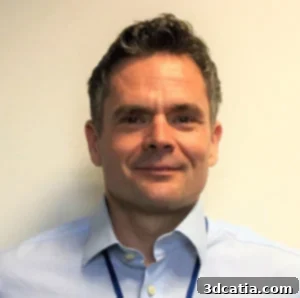
- Eduardo Alonso

-
- Nick Pearce
What are the Most Sought-After Profiles and Skills in the 3D Printing Industry?
Our own recent study on the evolution of the 3D printing job market revealed a remarkable diversity in available positions. Significantly, over 70% of these roles were long-term, signaling a clear industry shift towards sustained, industrial adoption of additive manufacturing technologies. Given the inherently technical nature of this rapidly evolving field, a strong foundation of technical competence is almost universally required across various roles. Nick Pearce elaborates on this trend: “3D printing is evolving from a tool used predominantly for rapid prototyping to a production technology that can support wider digital manufacturing objectives. As the technology matures, the skills required by organisations adopting the technology become more complex.” This evolution demands a deeper understanding of AM’s capabilities and limitations, moving beyond basic operational knowledge.
When dissecting the most in-demand technical skills, three categories emerge as critically important. Firstly, a high level of materials science expertise is essential, particularly in polymer chemistry and powder metallurgy. Additive manufacturing processes often utilize unique materials and require in-depth knowledge of their behavior during fabrication and in end-use applications. Understanding how material properties influence printability, part performance, and post-processing is paramount. Secondly, design for additive manufacturing (DfAM) is a skill that fundamentally differentiates AM from traditional manufacturing. DfAM involves leveraging the unique design freedoms offered by 3D printing – such as complex geometries, lattice structures, and part consolidation – to optimize functionality, reduce weight, and improve performance. This requires designers to think differently, moving beyond conventional design constraints. Finally, quality engineering stands out as indispensable. Nick adds, “When industries like aerospace and medical start to use AM for end-use part production, quality assurance is critical. The 3D printer manufacturers need to ensure their machines can deliver consistently high quality parts on a repeatable basis and need to qualify their machines for tough industry standards.” This emphasizes the need for robust quality control, certification, and process validation to ensure reliability and safety in critical applications, driving demand for engineers specialized in these areas.
Beyond these specialized technical proficiencies, the additive manufacturing market is also experiencing a growing demand for a range of commercial roles. As companies move towards commercializing their innovative products and solutions, expertise in sales, business development, and marketing becomes crucial. These roles are vital for educating potential customers, identifying new market opportunities, and effectively positioning AM technologies in a competitive landscape. Phillip Hodson further clarifies: “Many traditional manufacturing and engineering companies are looking to adopt AM technology in order to stay competitive. In these cases, there is more demand for senior additive manufacturing consultants and specialists to lead this change.” These consultants play a critical role in guiding established businesses through the integration of AM, ensuring a smooth transition and maximizing the benefits of the technology. In terms of sector-specific recruitment, the aerospace and automotive industries continue to lead the way in hiring AM professionals, driven by their need for lightweight, customized, and high-performance parts. Following closely are 3D printer manufacturers and resellers, who are continuously expanding their teams to support technology development, sales, and customer service.
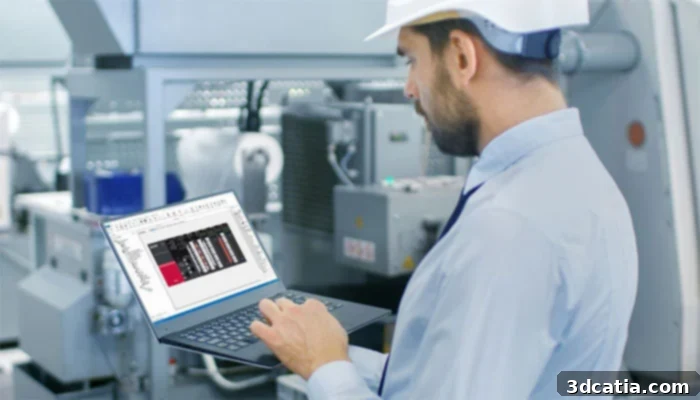
As the technology matures the skills required by organisations adopting the technology become more complex
Addressing Recruitment Difficulties in Additive Manufacturing
Recruiting top talent in additive manufacturing presents unique challenges, primarily stemming from the industry’s relative novelty. Finding candidates with extensive, direct experience or specialized qualifications tailored for this rapidly evolving field is often a significant hurdle. Eduardo Alonso elaborates: “It is difficult to find profiles with experience in 3D printing. It is a new industry and the skilled population base has not yet developed.” This scarcity of experienced professionals means that the supply of talent often struggles to keep pace with the soaring demand. This imbalance can lead to several complications, including the heightened risk of companies losing their valuable staff to competitors offering more attractive packages. To mitigate this, organizations must cultivate a robust organizational culture that prioritizes employee retention and satisfaction. Additionally, crafting compelling compensation packages and career development opportunities becomes essential to attract and secure the best talent in a highly competitive market.
From the candidate’s perspective, one frequently cited challenge is the lack of constructive feedback after interviews, which hinders their ability to self-develop and improve for future opportunities. While this is a common issue across many sectors, it is particularly impactful in a niche field like additive manufacturing where specific feedback can be crucial for career progression. Phillip Hodson emphasizes the importance of refined interview processes: “Competency interviewing is key to assessing behaviours and skills relevant in AM, and training interviewees in this assists both the candidate and the interviewer in creating a positive experience.” Such an approach focuses on evaluating a candidate’s abilities and potential through structured questions designed to elicit behavioral responses, ultimately ensuring a more objective and informative assessment for both parties.
Beyond technical capabilities, cultural fit plays a paramount role in successful recruitment and long-term employee satisfaction. The Managing Director of Kensington Additive explains why this alignment is key: “This can be difficult when recruiting, as many companies forget the importance of cultural fit and their main criteria lies around the technical capabilities. Of course, technical ability is an absolute necessity, however, cultural fit can be overlooked.” While technical prowess is non-negotiable, a candidate’s ability to seamlessly integrate into a company’s values, work environment, and team dynamics often dictates their success and longevity within the organization. Overlooking cultural fit can lead to dissatisfaction, high turnover, and reduced team cohesion, making it a critical, yet often underestimated, aspect of the recruitment process.
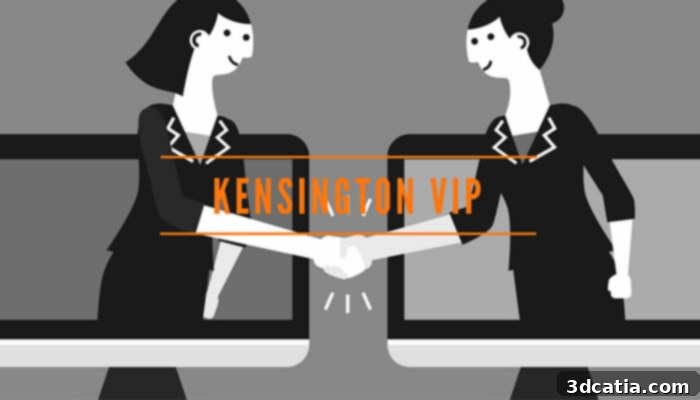
Kensington Additive’s video interviewing platform seeks to streamline the recruitment process
To address these challenges and enhance the efficiency of the hiring process, Kensington Additive has developed an innovative video interviewing platform called KC VIP. Phillip details its functionality: “In short, we don’t just send CVs, we also submit a recorded video interview of the candidate alongside their CV. This platform allows the company to save time, money and resources with an average of 70% shorter hiring process. Ultimately, the platform allows managers to make the most informed decision as to who they would like to invite for a face-to-face interview, streamlining the process from day one.” By providing an early visual and verbal impression, KC VIP enables recruiters to gain a more holistic understanding of candidates beyond their resumes, facilitating better initial screening and reducing the need for multiple in-person interviews, thereby optimizing resources for all parties involved.
Related to the issue of direct experience, Nick Pearce from i-AMdigital identified a common predicament where highly skilled candidates, despite possessing strong foundational knowledge, may feel overlooked by companies strictly demanding prior hands-on experience in additive manufacturing. Recognizing this gap, the i-AMdigital platform is designed to empower candidates by offering resources to acquire foundational skills and essential knowledge in AM. Nick explains: “For those without the skills the industry is looking for, or those people looking to develop their career to the next level, the training landscape is very fragmented. Through our intelligent system we guide candidates to courses that can help them gain those critical skills to develop or progress their career.” This initiative is vital for bridging the skill gap, ensuring that promising talent can access the necessary education to meet industry demands and contribute to the growth of additive manufacturing.
What Does It Take for a Candidate to Be Recruited in Additive Manufacturing?
According to our experts, a successful career path in additive manufacturing hinges on a combination of passion, continuous self-development, and strategic networking. Eduardo Alonso encapsulates this perfectly: “You have to be curious about new technologies and innovation. It takes passion to understand and develop a technology that is still being built. It is therefore necessary to be agile, adaptable and motivated.” This highlights that beyond specific technical skills, a proactive mindset, an eagerness to learn, and the resilience to navigate an evolving field are crucial attributes for thriving in AM. The industry is dynamic, constantly announcing breakthroughs and developing new applications, demanding professionals who are lifelong learners.
Active engagement with the industry is non-negotiable for aspiring professionals. Phillip Hodson strongly advises leveraging platforms like LinkedIn to connect with key industry leaders, fellow professionals, and like-minded individuals. Building a strong professional network here can open doors to mentorship, job opportunities, and invaluable industry insights. Furthermore, attending prominent industry events such as TCT Show in the UK, Formnext in Germany, or Rapid + TCT in the US provides unparalleled opportunities. These events are not only crucial for keeping abreast of the latest technological advancements and market trends but also serve as vital platforms for expanding one’s professional network, meeting potential employers, and demonstrating commitment to the field. Lastly, continuous education remains a cornerstone of career advancement in AM. While formal degrees are valuable, an increasing number of specialized courses, certifications, and online learning platforms are emerging, tailored to address specific industry needs and skill gaps, making targeted skill acquisition more accessible than ever before.
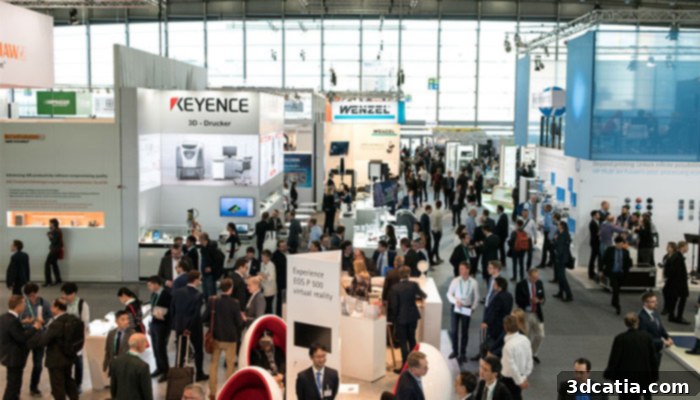
Attending additive manufacturing events is an effective way of growing your network and knowledge
The additive manufacturing sector offers a burgeoning landscape of opportunities for those prepared to embrace its challenges and contribute to its innovative future. By understanding the evolving skill demands, overcoming recruitment hurdles, and proactively engaging in self-development and networking, both companies and candidates can successfully navigate this exciting industry. The insights from Phillip Hodson, Eduardo Alonso, and Nick Pearce provide a clear roadmap for anyone looking to build a thriving career or recruit top talent in the dynamic world of 3D printing.
Do you have further questions for our experts or wish to share your own insights on recruiting or being recruited in the 3D printing sector? We encourage you to share your thoughts in a comment below or join the conversation on our Facebook and Twitter pages! Don’t miss out on the latest advancements and career opportunities – sign up for our free weekly Newsletter and receive all the essential news in 3D printing directly in your inbox!