
Weekly 3D Printing Breakthroughs: From Innovative Homes to Industrial Adoption
The world of 3D printing continues its relentless march forward, pushing boundaries across construction, industry, and even military applications. This week, our 3DExpress roundup delves into a series of exciting developments that underscore the transformative power of additive manufacturing. From the first homeowners settling into a groundbreaking 3D-printed community in Texas to SPEE3D’s strategic expansion into the vital West African market, the landscape of innovation is constantly evolving. We also celebrate the inauguration of a uniquely designed 3D-printed skate park in France, built specifically for the upcoming Olympics, and acknowledge the French Navy’s significant adoption of metal additive manufacturing for real-world operations. Capping off these highlights, Sinterit announced a successful fundraising round, signaling continued investor confidence in specialized 3D printing solutions. Join us as we explore these pivotal advancements, offering insights into how 3D printing is shaping our future.
Homebuyers Embrace ICON’s Visionary 3D Printed Community
A couple of years ago, ICON captured global headlines with its ambitious plan to construct the world’s first large-scale 3D printed community in Texas. Today, that vision has become a tangible reality, as the inaugural residents begin moving into their innovative homes at Wolf Ranch, a development situated just north of Austin. This pioneering 100-home community is a testament to the remarkable capabilities of ICON’s advanced Vulcan robotic construction system. This proprietary technology is engineered to print a substantial 2,000-square-foot home in approximately one week, dramatically accelerating the construction timeline compared to traditional building methods. The efficiency and speed of the Vulcan system not only streamline the building process but also contribute to the overall affordability of these cutting-edge residences.
The excitement among the new residents is palpable. One couple, for instance, successfully closed on a spacious 1,977-square-foot model for an impressive $487,000. This competitive pricing resulted in a mortgage significantly lower than what they had anticipated for a comparable property in the highly sought-after Austin metropolitan area. Beyond the financial benefits, homeowners are drawn to the community for several compelling reasons. Many express enthusiasm for being at the forefront of a paradigm shift in the construction sector, actively participating in a new era of homebuilding. The community itself is buzzing with innovation, with residents eagerly sharing their experiences and insights on platforms like TikTok, further amplifying interest in these unique developments. This collective enthusiasm not only highlights the immediate appeal of 3D printed homes but also signals a growing acceptance and curiosity about sustainable and technologically advanced housing solutions. ICON’s Wolf Ranch project serves as a powerful proof of concept, demonstrating that additive manufacturing can deliver not just functional, but also desirable and community-focused living spaces that challenge conventional notions of home construction.
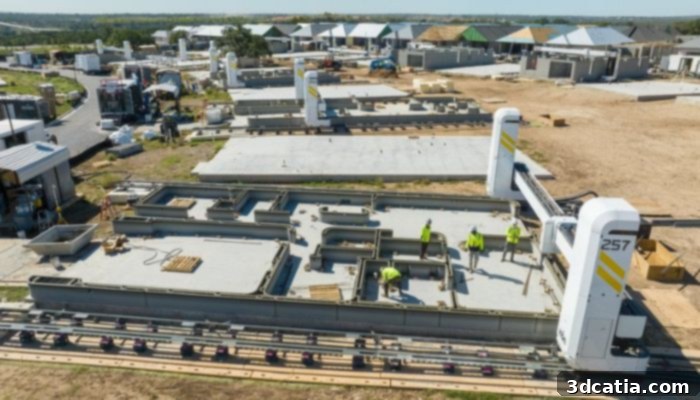
Houses under construction at Wolf Ranch, ICON’s 3D printed community (photo credits: ICON)
SPEE3D Expands Footprint, Enters West African Market
SPEE3D, a global leader in cold spray additive manufacturing, continues its impressive trajectory of rapid international expansion. In a significant strategic move, the company recently announced a groundbreaking partnership with RusselSmith, a prominent integrated energy solutions provider renowned for its focus on sustainable and innovative technology solutions. This collaboration is set to introduce SPEE3D’s pioneering cold spray additive manufacturing technology to the burgeoning West African market, marking a pivotal moment for regional industrial capabilities.
This strategic entry is particularly aimed at supporting Nigeria’s vibrant and critical energy sector, which has, in recent times, grappled with persistent supply chain disruptions and formidable challenges in procuring essential legacy parts. These issues often lead to costly operational downtime and hinder sustained productivity. SPEE3D’s cold spray technology offers a transformative solution by enabling the rapid, on-site production of metal parts, drastically reducing reliance on lengthy and often unpredictable international supply chains. This capability is invaluable for industries that demand quick turnaround times for repairs and replacements, such as oil and gas, mining, and defense.
Byron Kennedy, CEO of SPEE3D, articulated the company’s commitment to global additive manufacturing growth. “SPEE3D is dedicated to fostering the development of additive manufacturing worldwide, and we are incredibly excited to bring our advanced cold spray additive manufacturing solution to West Africa,” he stated. Kennedy further emphasized the crucial role of their new partner: “Collaborating with RusselSmith represents a tremendous win for us. They are a highly respected leader in the region, known for introducing the latest additive manufacturing technologies and effectively resolving significant supply chain challenges for the oil and gas, defense, and other commercial sectors. Together, we will not only deploy the revolutionary WarpSPEE3D printer in the region but also, through their invaluable support as a value-added reseller, ensure that customers receive comprehensive sales assistance, robust technical support, and the necessary training for all our technology.” This partnership is poised to empower local industries with unparalleled speed and efficiency in parts production, fostering economic resilience and technological self-sufficiency across West Africa.
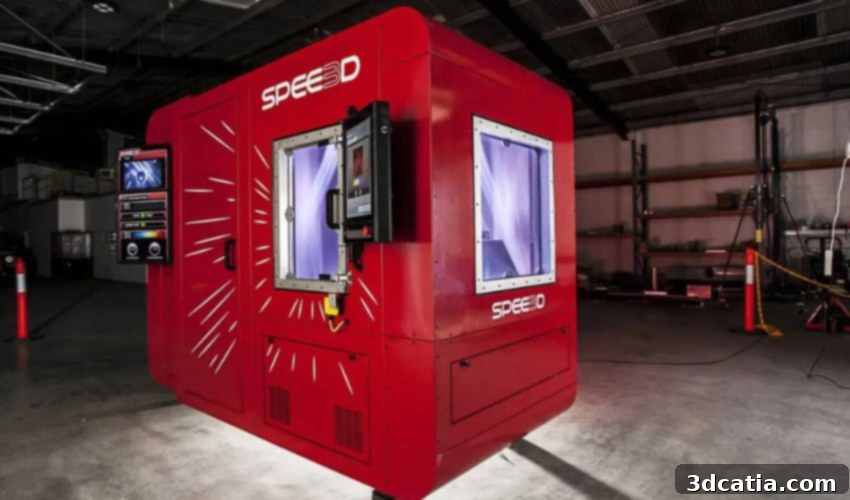
SPEE3D’s WARPSPEE3D 3D printer (photo credits: SPEE3D)
Saint-Gobain’s Innovative 3D-Printed Skate Park Unveiled for the Paris Olympics
Earlier, we highlighted the ambitious project undertaken by Saint-Gobain: the creation of a groundbreaking 3D-printed skate park designed specifically for the prestigious 2024 Olympic Games. This innovative structure has now been officially inaugurated at the Esplanade de la Défense, opening its unique ramps and obstacles to skateboarders of all abilities until August 11th. Spanning an impressive surface area of 400 square meters, the skate park’s design concept is remarkably imaginative, likened to a giant pinball machine, where various modules ingeniously mimic the “obstacles” found within the classic arcade game.
The project truly showcases the transformative potential of 3D concrete printing for urban infrastructure and recreational spaces. Aubry Ramillo, the architect-designer and a passionate skateboarder himself, emphasized the adaptability and inclusivity made possible by this advanced construction method. He noted, “Thanks to 3D concrete printing, we’ve been able to conceptualize and realize an original skate park that caters to all types of practice. Experienced skaters will find exclusive modules to challenge their skills, while newcomers to the sport will discover an accessible environment conducive to learning and rapid progression.” A particularly commendable aspect of the design is its unwavering commitment to inclusivity. In close collaboration with the Pratikable association, the designers ensured that wheelchair skaters would have a fully accessible playground. Ramillo added, “Our collaboration with the Pratikable association allowed us to work diligently to make our modules as inclusive as possible, ensuring that wheelchair skaters, in particular, have a fully functional and enjoyable space.” This project not only serves as a vibrant venue for Olympic-related activities but also stands as a powerful demonstration of how additive manufacturing can be leveraged to create functional, aesthetically pleasing, and socially inclusive public spaces, setting a new benchmark for urban design.
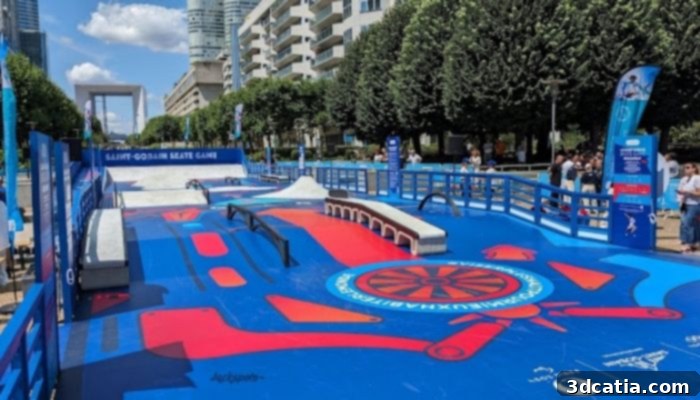
Photo Credits: Tibo – Jackspots
The French Navy Embraces Metal 3D Printing for Enhanced Operations
In a significant stride towards modernizing its operational capabilities, the French Navy has officially approved the integration of metal additive manufacturing technology, developed by the Spanish company Meltio, for use in real-life maneuvers. This endorsement follows a rigorous and comprehensive testing period conducted by the French Navy, during which Meltio’s state-of-the-art metal 3D printer thoroughly demonstrated its robustness, reliability, and effectiveness under demanding conditions. The French Ministry of Defense publicly acknowledged this achievement, underscoring the solution’s proven efficacy and confirming its ongoing validation process.
The adoption of Meltio’s technology signifies a strategic shift for the French Navy, aiming to bolster its logistical resilience and operational readiness. The Ministry’s plans extend beyond current trials, with intentions to fully incorporate this advanced manufacturing capability into future real-life maneuvers. Furthermore, there is serious consideration being given to its potential integration directly on board naval vessels. This would revolutionize on-demand part production and repair capabilities at sea, drastically reducing reliance on conventional supply chains and ensuring faster, more efficient maintenance cycles in remote or critical operational zones. Meltio’s technology, which is based on Concentrated Energy Deposition (CED), has consistently showcased its immense potential across various sectors, particularly within the demanding defense industry. Its successful passage through a myriad of technological tests—encompassing hardware performance, material integrity, and software functionality—on a global scale, firmly establishes its credibility and practical applicability for military applications. This move by the French Navy not only validates Meltio’s innovative approach but also signals a growing trend among global defense forces to leverage the speed, flexibility, and efficiency of additive manufacturing for strategic advantage and enhanced fleet readiness.
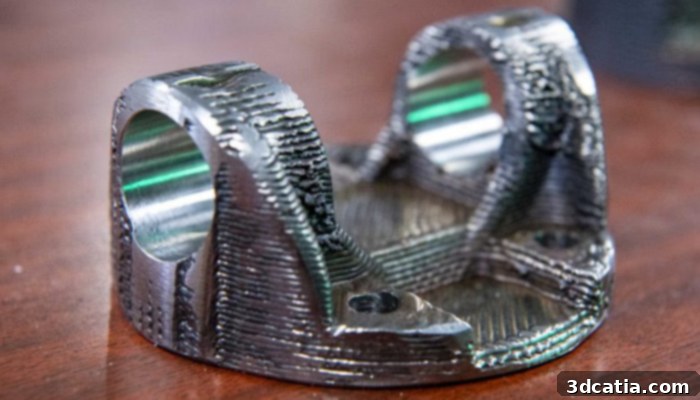
Photo Credits: Meltio
Sinterit Secures Significant Fundraising to Fuel SLS 3D Printing Innovation
Sinterit, the acclaimed Polish manufacturer specializing in compact and accessible Selective Laser Sintering (SLS) 3D printers, has successfully concluded a significant fundraising round, raising an impressive $1.85 million through a share issue. This investment was underwritten by existing shareholders, demonstrating strong confidence in the company’s vision and future prospects within the competitive additive manufacturing landscape. The substantial proceeds from this fundraising initiative are strategically earmarked for several key areas of growth and innovation.
Specifically, the capital will be deployed to significantly increase investment in improving the productivity and capabilities of Sinterit’s existing line of SLS machines. This commitment to continuous enhancement ensures that current users benefit from even more efficient and reliable printing solutions. Furthermore, a substantial portion of the funds will be allocated to developing and executing an expanded marketing strategy, aiming to reach new markets and solidify Sinterit’s brand presence globally. Perhaps most excitingly, the investment will also kickstart the manufacturing of an entirely new range of SLS machines, promising to introduce innovative features and cater to an even broader spectrum of industrial and professional applications.
Albert Klein, CEO of Sinterit, offered a insightful perspective on the current market dynamics. “In recent times, confidence in the future of 3D printer manufacturers has, in some quarters, waned. We do not share this sentiment, and we are profoundly grateful to our shareholders for their unwavering and continued support,” he commented. Klein further elaborated on the broader industry trend: “The market for additive manufacturing technology is currently undergoing a period of consolidation. Within this evolving environment, integrated and affordably priced selective laser sintering systems, such as those offered by Sinterit, will undeniably carve out and maintain their crucial place.” This statement not only reflects Sinterit’s resilience in a challenging market but also underscores its strategic positioning as a provider of accessible, high-performance SLS solutions that meet the growing demand for professional-grade 3D printing capabilities among a wider range of businesses and research institutions.
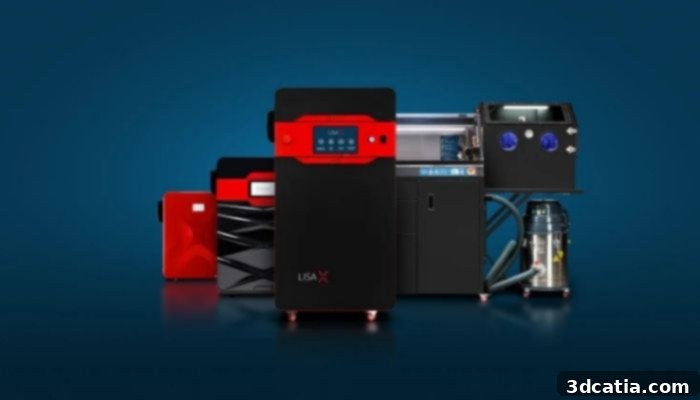
Sinterit’s range of 3D printing solutions (photo credits: Sinterit)
The latest advancements in 3D printing, from the creation of affordable, sustainable homes in Texas to the integration of cutting-edge metal additive manufacturing within the French Navy, unequivocally demonstrate the industry’s dynamic growth and diverse applications. This week’s roundup highlights not only the technological progress but also the expanding market reach and increasing investor confidence in additive manufacturing solutions. As we witness the continuous evolution of 3D printing, its impact on various sectors—construction, energy, public infrastructure, and defense—becomes increasingly profound. The future promises even more exciting innovations, pushing the boundaries of what’s possible and reshaping how we build, produce, and innovate.
What are your thoughts on homeowners moving into ICON’s revolutionary 3D printed community in Texas, or the French Navy’s adoption of metal 3D printing? Let us know your perspective in a comment below or engage with us on our LinkedIn, Facebook, and Twitter pages! To stay at the forefront of additive manufacturing news, don’t forget to sign up for our free weekly newsletter here, delivering the latest updates directly to your inbox. You can also explore all our insightful videos on our dedicated YouTube channel.