
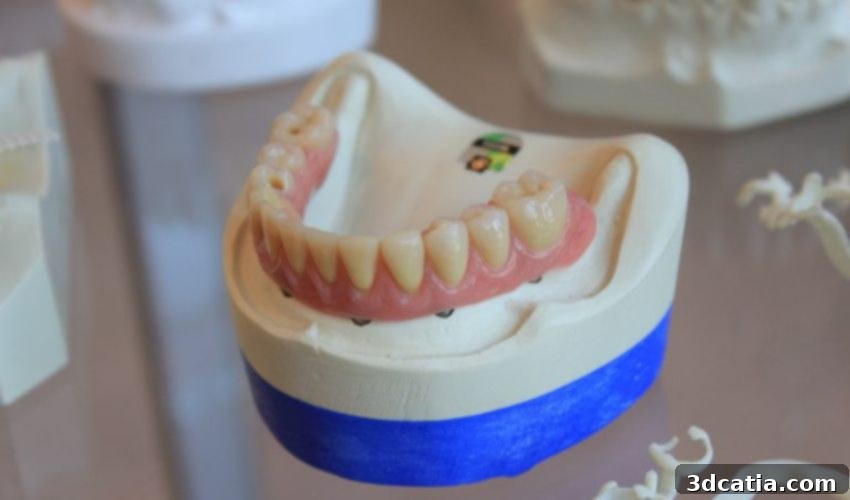
Transforming Dentures: How 3D Printing is Revolutionizing Dental Prosthetics for Enhanced Patient Care
The landscape of dentistry is constantly evolving, driven by advancements in technology aimed at improving patient outcomes, efficiency, and accessibility. A significant step forward in this journey is being spearheaded by Dr. Andrew Keeling, a dedicated researcher at the University of Leeds. He has been awarded a substantial grant of £247,552 (approximately $290,000) to further his groundbreaking research into the application of 3D printing technology for the production of dentures. This vital study, which commenced in 2018, seeks to definitively establish whether additive manufacturing offers a viable and superior alternative to the established, traditional methods of denture construction.
The funding for this impactful research comes from Dunhill Medical, a highly respected charitable organization renowned for its commitment to enhancing care for older individuals. Their inspiring slogan, ‘Remarkable Research for Healthy Ageing,’ encapsulates their overarching mission: to combat ageism and champion scientific endeavors that directly contribute to the well-being and improved quality of life for the elderly. Dr. Keeling’s work perfectly aligns with this ethos, promising to deliver tangible benefits to a demographic often overlooked by cutting-edge technological advancements.
The Challenges of Traditional Denture Production
For decades, the process of creating dentures has been characterized by methods that are inherently expensive, time-consuming, and labor-intensive. This multi-stage approach often creates significant inconveniences and discomfort for patients. The traditional workflow typically begins with taking a physical impression of the patient’s mouth using trays filled with a viscous material. This impression is then used to create a plaster model, meticulously crafted to replicate the intricate contours of the oral cavity. Once the dental technician is satisfied with the model’s accuracy, a durable acrylic material is carefully injected into a mold derived from this model and subsequently cured to form the final denture base and teeth.
This entire conventional process is far from rapid. It necessitates multiple patient visits, each often involving adjustments and fittings, extending over weeks, or even months. During this protracted period, patients can find themselves without functional teeth, leading to profound impacts on their daily lives. The absence of teeth directly affects a person’s ability to chew food effectively, limiting dietary choices and potentially leading to nutritional deficiencies. Furthermore, the aesthetic impact of missing teeth can severely diminish self-esteem, social confidence, and overall mental well-being. For the 6% of the UK population who require complete dentures, a more efficient and comfortable production method is not just a luxury, but a pressing necessity.
3D Printing: A New Paradigm for Denture Fabrication
The advent of 3D printing technology, also known as additive manufacturing, offers a transformative solution to these long-standing challenges. By shifting from analog to digital workflows, 3D printing streamlines the entire denture production process, promising faster turnaround times, enhanced precision, and improved patient experience. Instead of physical impressions, the process often begins with intraoral scanning, where a small handheld device captures a highly accurate digital 3D model of the patient’s mouth in minutes. This digital scan is then imported into sophisticated Computer-Aided Design (CAD) software, allowing dental professionals to digitally design the dentures with unparalleled accuracy and customization. Parameters such as tooth size, shape, alignment, and gum contour can be precisely adjusted and visualized before physical production even begins.
Once the digital design is finalized, it is sent to a 3D printer. Various additive manufacturing technologies can be employed, such as Stereolithography (SLA) or Digital Light Processing (DLP), which use light to cure liquid resin layer by layer, building the denture from the ground up. This digital fabrication method offers several distinct advantages. Firstly, it drastically reduces production time, potentially allowing patients to receive their new dentures in a matter of days rather than weeks or months. Secondly, the digital precision inherent in 3D printing ensures a more accurate and consistent fit, minimizing the need for extensive post-production adjustments and greatly enhancing patient comfort. Thirdly, it optimizes material usage, reducing waste and potentially lowering overall production costs in the long term.
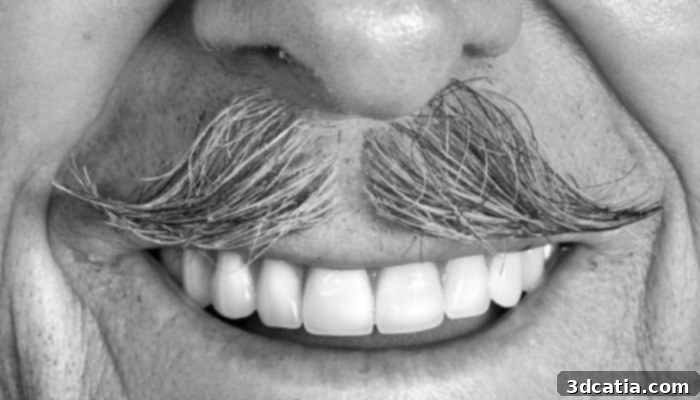
3D printed dentures are already a market product. (Photo credit: Dunhill Medical)1
Early Successes and the Path Forward
Dr. Keeling’s pilot study represents a critical milestone in validating the efficacy of 3D printed dentures. In this initial investigation, patients were provided with dentures created using both the innovative 3D printing method and traditional techniques. Crucially, the feedback from users indicated that both sets of dentures were rated equally well in terms of comfort, function, and aesthetics. This finding is incredibly encouraging, demonstrating that 3D printed dentures can meet, if not exceed, the quality standards of conventionally produced prosthetics from a patient’s perspective. The demand for improved denture solutions is undeniable, and with the pilot study confirming the acceptability of the finished 3D printed product by wearers, the next logical step is to conduct larger-scale clinical trials to further solidify these promising results.
The potential utility of 3D printing in dentistry extends beyond dentures, with numerous previous studies highlighting its broader applications. For instance, recent research from Japan has explored the quality of 3D printed dental crowns compared to those made using traditional methods, suggesting significant advantages in terms of precision and material consistency. However, what truly elevates the importance and impact of Dr. Keeling’s research is its specific focus on addressing the needs of the most vulnerable segments of the UK population. While many advancements in dental technology have historically benefited primarily those with the financial means to access them, this study directly targets improving accessibility and quality of care for older, less wealthy individuals who often struggle with poorly fitting dentures or, tragically, none at all.
A Focus on Social Impact and Accessibility
Dr. Keeling articulates the heart of his motivation: “Dentures aren’t the most glamorous aspect of dentistry, but they’re essential for millions of people in the UK – many of them older, less wealthy and often struggling with poorly fitting dentures or none at all.” This statement underscores the profound social implications of his research. By leveraging cutting-edge technology, this study has the potential to dramatically improve elderly healthcare, making essential dental prosthetics more accessible, affordable, and comfortable for those who need them most. Better-fitting dentures mean improved nutrition, enhanced speech clarity, restored confidence, and an overall better quality of life for countless individuals.
The potential for improved patient care is immense. Imagine reducing the number of dental appointments required, minimizing discomfort during the fitting process, and dramatically shortening the waiting period for new dentures. These benefits would not only alleviate patient distress but also free up valuable dental practice resources, potentially leading to more efficient healthcare systems. The development of high-quality, digitally manufactured dentures represents a paradigm shift, moving towards a future where everyone, regardless of their socio-economic status, can access the dental care they need to live healthy and fulfilling lives.
The Future of Digital Dentistry
The research at the University of Leeds on 3D printed dentures is part of a larger trend towards digital dentistry, where technological innovations are reshaping every aspect of oral healthcare. From precision surgical guides to custom orthodontic aligners and now, advanced prosthetics, 3D printing is proving to be an indispensable tool. This digital transformation not only enhances the accuracy and speed of dental treatments but also paves the way for truly personalized medicine, where each patient’s unique anatomical and functional requirements can be met with unprecedented precision.
Grants from organizations like Dunhill Medical are pivotal in driving such innovative research forward. They provide the necessary financial backing for scientists and researchers to explore uncharted territories, pushing the boundaries of what is possible in healthcare. Dr. Keeling’s work exemplifies how targeted research, combined with a focus on patient needs and social impact, can lead to remarkable advancements that benefit society at large. As 3D printing technology continues to evolve, we can expect to see even more sophisticated materials and techniques emerge, further solidifying its role as a cornerstone of modern dentistry.
The journey from pilot study to widespread clinical adoption requires rigorous testing and validation, but the initial findings are incredibly promising. The prospect of quicker, more comfortable, and more accurate denture solutions for millions is within reach, thanks to dedicated researchers like Dr. Andrew Keeling and the vital support from organizations like Dunhill Medical. This isn’t just about new technology; it’s about restoring dignity, comfort, and function to those who need it most, truly embodying the spirit of healthy aging.
You can find out more about Dunhill Medical’s impactful initiatives and Dr. Keeling’s ongoing research HERE.
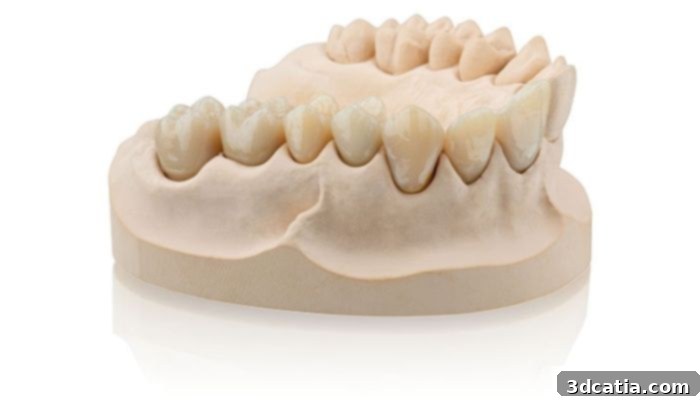
3D printing can be used to make models of the mouth. (Photo credit: Dentistry Today)
What are your thoughts on this transformative study and the future of 3D printing in dentistry? Let us know in a comment below or connect with us on our LinkedIn, Facebook, and Twitter pages! Don’t forget to sign up for our free weekly Newsletter here, to receive the latest 3D printing news straight to your inbox! You can also find all our videos on our YouTube channel.
*Cover photo credit: Dunhill Medical