
Made In Space: Pioneering In-Orbit Manufacturing and 3D Printing for a Thriving Space Economy
Made In Space, Inc. stands as a global leader and one of the most experienced specialists in the burgeoning field of in-space manufacturing. Established in 2010, the company boasts a significant presence across the United States with offices strategically located in Florida, California, Alabama, and Ohio. Over more than a decade, Made In Space has masterfully harnessed the unique properties of the extraterrestrial environment – particularly microgravity and the vacuum of space – to engineer groundbreaking manufacturing solutions. These innovations are specifically designed to address complex challenges spanning the commercial, industrial, research, and defense sectors, propelling humanity closer to a self-sustaining presence beyond Earth.
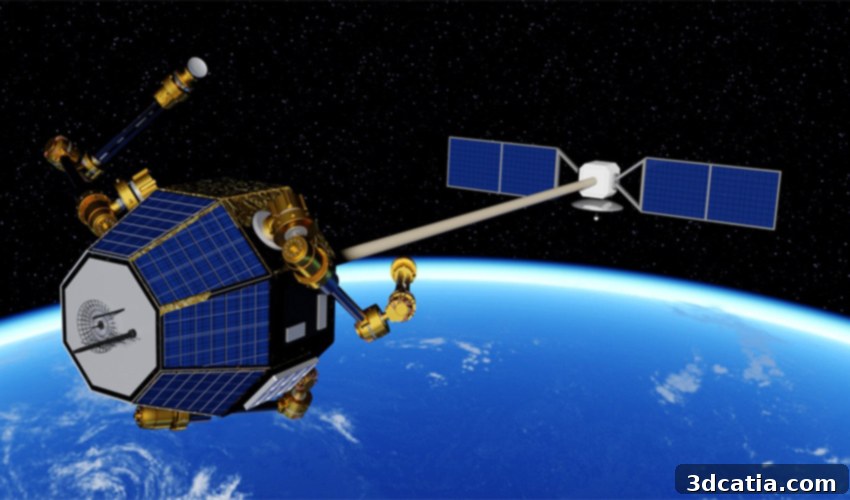
Among Made In Space’s most ambitious and transformative initiatives is the Archinaut program. This flagship endeavor unlocks an expansive array of possibilities for future space operations. Archinaut enables the in-space production and assembly of critical backbone structures for next-generation large telescopes, facilitating astronomical observations far beyond the capabilities of Earth-bound instruments. Furthermore, it offers unprecedented opportunities for the repair, augmentation, or even complete repurposing of existing spacecraft, extending their operational lifespans and enhancing their functionalities. Crucially, Archinaut also paves the way for the unmanned assembly of entirely new space stations and orbital platforms, revolutionizing how human outposts in space are conceived and constructed. To delve deeper into the vision and technological prowess behind this pioneering company, we recently had the opportunity to explore their groundbreaking projects and learn more about their journey to industrialize space.
Unveiling Made In Space: A Vision for the Cosmos
Made In Space was founded in 2010 with a profound and ambitious mission: to cultivate a future where humanity not only lives but also thrives and works in space. This vision extends beyond mere presence, aiming to establish a robust and flourishing space-based industrial economy. By doing so, the company believes it can unlock humanity’s full potential for expansion into the cosmos, creating new frontiers for exploration, research, and economic activity. As a dedicated space-based manufacturing company, Made In Space leverages the extraordinary characteristics of the space environment, such as microgravity and vacuum conditions, to develop novel solutions. These solutions are tailored to meet the evolving demands and overcome the inherent challenges across commercial enterprises, industrial applications, scientific research, and critical defense objectives.

Revolutionary Technologies Pioneered for Space
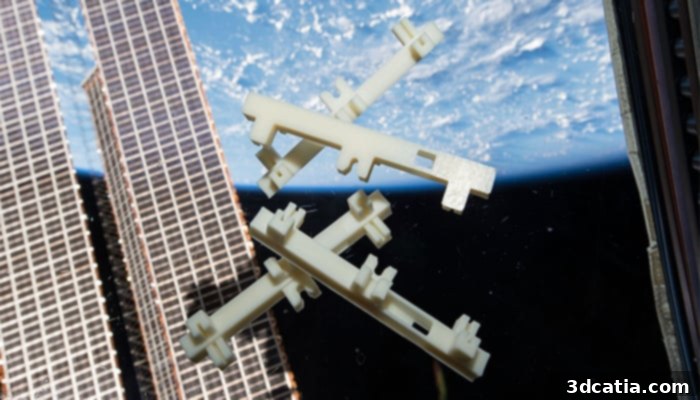
With an unwavering focus on microgravity manufacturing, Made In Space embarked on a pivotal joint venture with NASA, leading to a historic achievement: placing the very first manufacturing system in space. This monumental step occurred in 2014 when Made In Space (MIS) and NASA successfully sent the first 3D Printer (3DP) to the International Space Station (ISS). This initial foray into orbital manufacturing demonstrated the feasibility and immense potential of producing objects off-Earth. Building on this success, in 2016, MIS deployed its fully owned and operated Additive Manufacturing Facility (AMF) to the ISS. Since its installation, the AMF has been a continuous operational asset, a testament to the company’s commitment to sustained space manufacturing. To date, Made In Space remains the only company to have consistently manufactured nearly 200 different parts in space, establishing an unparalleled track record. The AMF has proven its versatility and utility by producing a wide array of items, including essential tools for astronauts, critical spare parts for ISS systems, components for STEM education initiatives, items for commercial exploitation, philanthropic projects, and a multitude of scientific experiments. The invaluable lessons learned from these microgravity manufacturing endeavors have served as a foundation for Made In Space’s next significant technological leap: extending manufacturing capabilities into the challenging vacuum of space with the advanced Archinaut technology suite.
Archinaut: Merging 3D Printing with Robotic Construction Beyond Earth
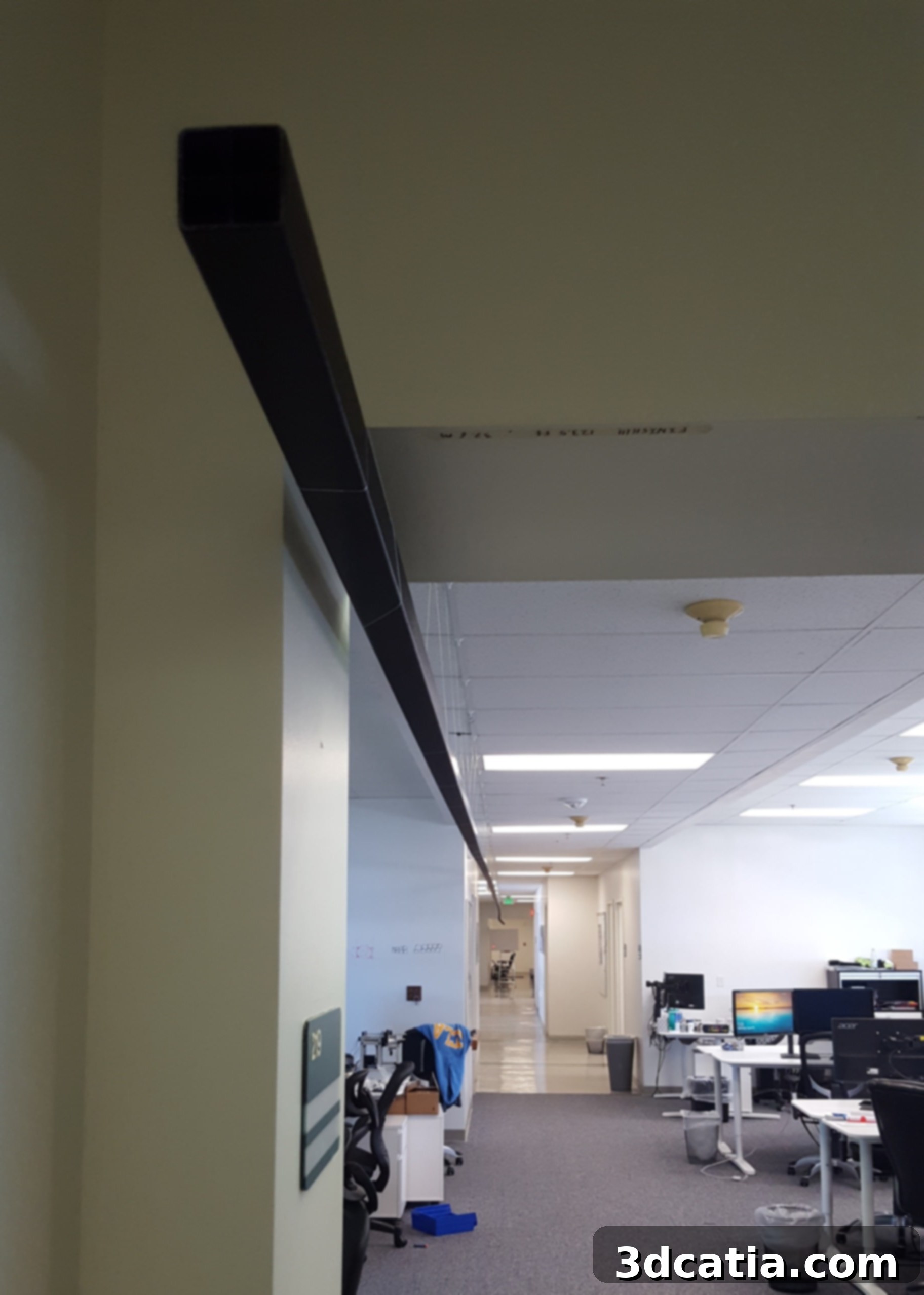 Archinaut represents a monumental leap forward in in-space construction, ingeniously combining advanced 3D printing technology with sophisticated robotic manipulation systems. This powerful synergy allows for the fabrication and assembly of significantly larger and more complex structures directly in the unforgiving environment of space. The core 3D printing technology underpinning Archinaut has undergone rigorous testing within Northrop Grumman’s state-of-the-art thermal vacuum chamber. These critical tests meticulously mimicked the near-perfect vacuum and extreme thermal conditions of space, demonstrating the technology’s resilience and capability. Conducted last year, these tests marked a historic milestone as they were the first instances where objects were successfully fabricated in a space-like vacuum environment on Earth. Adding to its list of accolades, Archinaut’s ESAMM (Extended Structure Additive Manufacturing Machine) technology also secured a Guinness World Record. It achieved this by printing “the longest 3D printed non-assembled structure,” a remarkable achievement that is proudly displayed, hanging from the ceiling, at Made In Space’s Moffett Field facility in Silicon Valley, symbolizing the immense potential of this technology.
Beyond structural components, Made In Space has also focused on harnessing microgravity for unique terrestrial applications. Our most recent experiment to fly to the ISS involved an exotic optical ZBLAN fiber payload. This pioneering endeavor aimed to leverage the unique microgravity environment to develop a superior product for use back on Earth. This marked a significant first: a payload specifically designed and utilized to develop a commercial product in space for Earth-based markets. By drawing optical fiber in microgravity, the absence of gravitational forces eliminates crystallization and impurities that typically plague Earth-manufactured fibers. The result is a far purer product boasting significantly better attenuation properties, making it superior to any ZBLAN fiber currently produced on Earth and promising breakthroughs in telecommunications and data transmission.
Looking ahead, our next crucial payload slated for deployment is our innovative recycler. This system is designed to process old 3D prints from the AMF and even plastic trash accumulated aboard the ISS. The material will be ground down and melted, transforming waste into new, reusable feedstock for the AMF. This closed-loop recycling system promises to dramatically reduce the need for resupply missions of manufacturing materials from Earth, enhancing the sustainability and autonomy of long-duration space missions. This vital payload is tentatively scheduled to fly later this year, representing a significant step towards self-sufficiency in space.
VULCAN
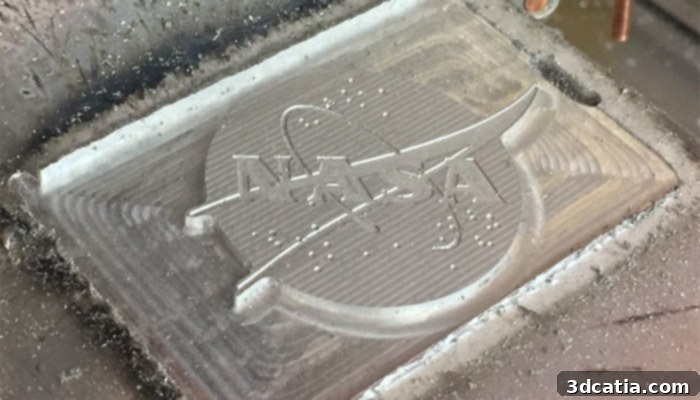
Another significant 3D printing initiative recently undertaken by Made In Space is our hybrid metals manufacturing unit, known as VULCAN. This advanced technology seamlessly integrates both additive and subtractive manufacturing processes to create highly precise and finished metal products directly in space. By combining the layering capabilities of 3D printing with the precision shaping of subtractive techniques, VULCAN can produce complex metal components with superior material properties and tighter tolerances, opening new avenues for structural integrity and functional complexity in orbital applications.
The Grand Vision for Archinaut: Building Larger Than Life
The ambition behind the Archinaut project is truly revolutionary. With this pioneering technology, Made In Space has successfully combined its proprietary ESAMM (Extended Structure Additive Manufacturing Machine) 3D printing system with state-of-the-art robotic manipulators. This integrated system is capable of both manufacturing and assembling large, complex structures autonomously in space. Our overarching hope is to synthesize the vast knowledge we have accumulated – from successful printing in space-like vacuum environments to breaking world records for extended structure fabrication. By merging these capabilities, we aim to fabricate structures in orbit that are far larger and more intricate than anything that could ever be launched from Earth, overcoming the inherent size and volume constraints imposed by rocket fairings.
Solar array
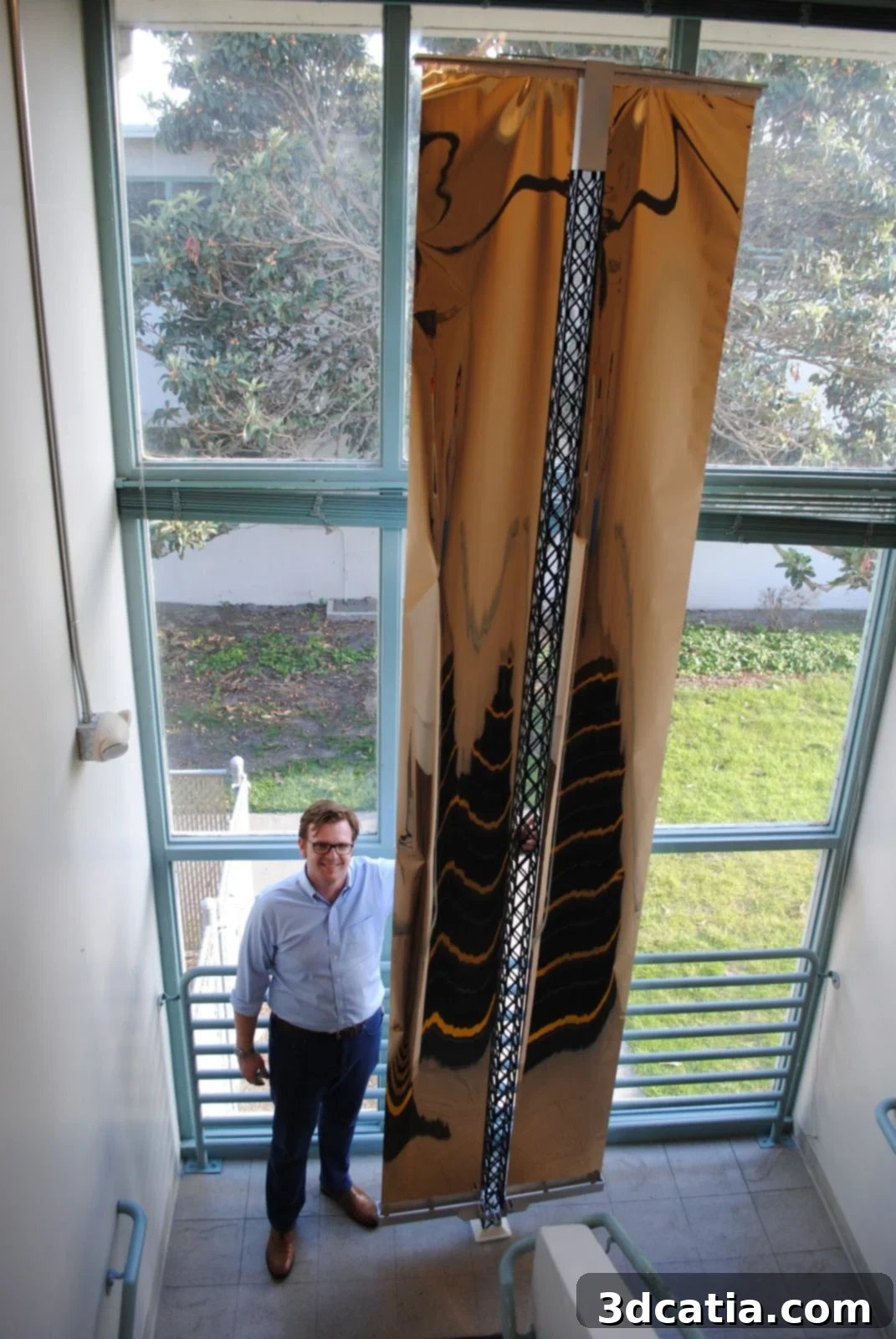
In the near term, Archinaut’s primary focus is on manufacturing and assembling deployable structures for small ESPA-class satellites. Traditional satellite launches present significant challenges: everything must be meticulously packed into a confined rocket fairing, enduring extreme stresses and vibrations during ascent. With Archinaut technology, satellite designers can largely mitigate the need for complex “origami-style” folding and packing of deployable components. Instead, these elements can be fabricated and assembled once the satellite is safely in orbit. Our immediate plan is to significantly enhance the power systems of small satellites by manufacturing much larger, optimized solar arrays directly in orbit. This approach allows for solar arrays that are substantially bigger than what could be compactly launched, simultaneously freeing up valuable space on the satellite bus. This newfound space can then be allocated to incorporate additional power systems, scientific instruments, or other critical payloads, dramatically improving the satellite’s capabilities and mission longevity. Beyond solar arrays, other compelling uses for Archinaut technology include the in-orbit manufacturing of expansive antenna systems or large satellite apertures, enabling unprecedented communication and observation capabilities.
The Future of Technology and 3D Printing in Space: Building a New Civilization
The future of 3D printing in space is undeniably centered on building in orbit rather than continuing the costly and restrictive practice of building on Earth only to launch it. This paradigm shift represents a fundamental change in how we approach space infrastructure and exploration. While small satellites remain the immediate focus for in-space manufacturing, the progression towards larger satellites and ultimately full-scale space stations follows closely behind. This evolution is driven by the imperative to establish self-sustaining “small space economies.” The current model of launching everything from Earth is simply not viable for long-term, extensive space habitation and industrialization. Imagine the early human civilizations: when they ventured to new lands, they brought only essential tools and built their new societies using the resources found in their new environment. Made In Space envisions a similar future for humanity in space. Furthermore, with governments and space agencies increasingly setting their sights on the Moon as the next major destination for human return and sustained presence, Made In Space is actively working to ensure its groundbreaking manufacturing technology is integral to these lunar missions, supporting the construction of lunar bases and infrastructure. This commitment underscores our belief that in-space manufacturing is not just about building better satellites, but about enabling humanity’s permanent expansion into the cosmos, laying the foundation for an entirely new era of exploration, innovation, and self-sufficiency.
To learn more about the visionary work and pioneering initiatives of Made In Space, we encourage you to explore their official website.
What are your thoughts on Made In Space and their ambitious projects? How do you envision in-space manufacturing shaping the future of space exploration and colonization? Share your insights and comments below, or connect with us on our Facebook and Twitter pages! Don’t forget to subscribe to our free weekly Newsletter to receive all the latest news on advancements, research, and inspiring entrepreneurs in the world of 3D printing, delivered directly to your inbox!