
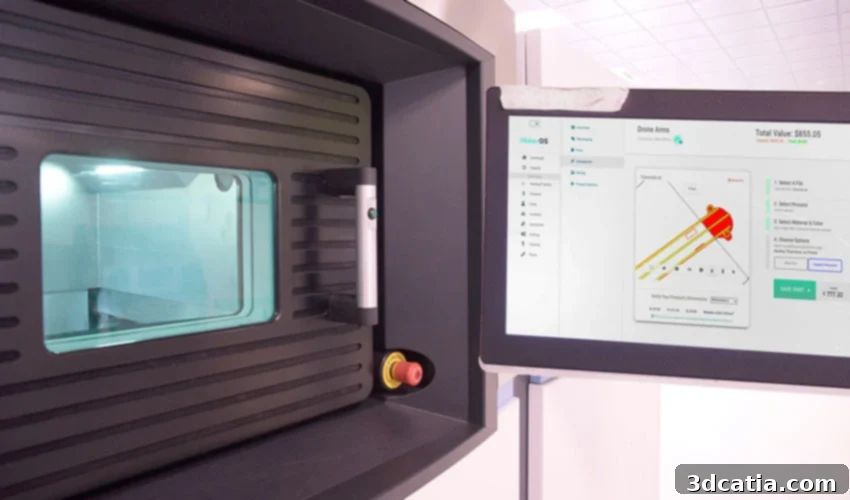
MakerOS 2.0: Optimizing 3D Printing Business Operations with Advanced Collaboration Tools
The landscape of additive manufacturing has evolved dramatically since its nascent stages, bringing with it both incredible opportunities and complex operational challenges. Recognizing these hurdles, MakerOS, an innovative startup with roots in New York City and Detroit, launched its pioneering collaboration platform for 3D printing businesses back in 2015. The core problem MakerOS aimed to solve was the fragmented and often inefficient management of client projects that 3D printing companies consistently faced. From juggling multiple communication channels to disparate file storage and invoicing systems, businesses struggled to maintain seamless workflows and maximize profitability. The MakerOS team envisioned and subsequently developed a secure, all-in-one online platform designed to centralize critical operations, allowing employees and clients to communicate effortlessly, submit project specifications, view real-time updates, access files, manage invoices, and more, all from a single, intuitive dashboard. This holistic approach fundamentally aimed to dramatically improve client workflows, enhance project transparency, and ultimately boost companies’ bottom lines in the rapidly expanding digital fabrication sector.
As the additive manufacturing market continues its journey toward maturity, the demand for more sophisticated and efficient operational solutions has never been higher. Companies operating in this dynamic space are constantly seeking tools that can keep pace with technological advancements and increasing client expectations. MakerOS has consistently positioned itself at the forefront of this need, striving to offer the latest and most comprehensive tools to facilitate efficient project management and business operations. In response to industry feedback and evolving requirements, the startup recently unveiled version 2.0 of its acclaimed collaboration platform, specifically tailored for 3D printing and broader digital fabrication teams. This significant update introduced a suite of enhancements designed to further streamline processes, improve client engagement, and provide unparalleled control over project lifecycles. The question on many minds was: What exactly did MakerOS release with version 2.0, and how does it elevate the existing benchmark for digital fabrication management?
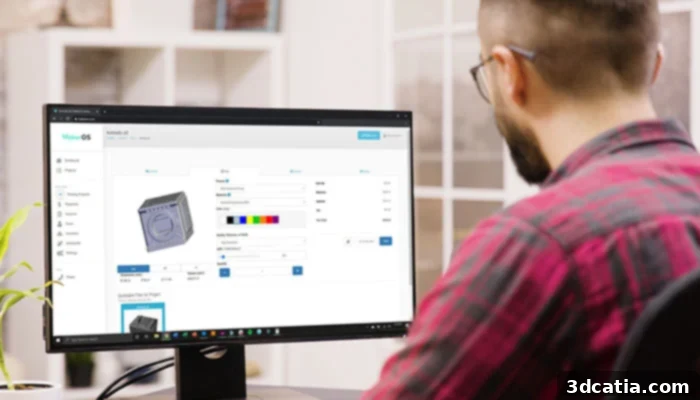
Consolidating Essential Tools for Digital Fabrication
Managing the multifaceted day-to-day operations of a modern 3D printing company involves a complex array of tools and processes. From initial client inquiries and quoting to design review, production, and final invoicing, each step traditionally required separate software or manual interventions. MakerOS recognized that consolidating these disparate functions into a single, cohesive platform would deliver a significant boost in efficiency and operational synergy. With the initial launch of its collaboration platform, MakerOS meticulously developed an integrated suite of tools specifically designed to streamline every fabrication-related activity. This foundational version included several key features that set it apart:
- Automated Quoting System (Autoquoter): Designed to quickly and accurately price out new projects, minimizing manual calculations and speeding up the sales cycle.
- Integrated 3D Viewer: Allowing for direct analysis and review of CAD files within the platform, facilitating clearer communication regarding design specifications.
- Secure File Hosting Service: Providing a centralized, secure repository for sharing and accessing project files, ensuring version control and easy retrieval.
- Inventory Management System: Enabling businesses to efficiently track parts, materials, and components throughout the production process.
- Comprehensive Accounting System: For executing billing, generating invoices, and maintaining financial oversight directly within the platform.
Beyond these operational tools, the platform inherently facilitated seamless communication between clients and employees, drastically reducing reliance on fragmented email threads and external messaging applications. This integrated approach created a unified environment where every aspect of a 3D printing project could be managed and monitored with unprecedented ease and clarity.
MakerOS 2.0: Elevating Automation and Collaboration
With the release of version 2.0, MakerOS introduced a series of significant and impactful updates, building upon its robust foundation. These enhancements were strategically implemented across several core functionalities, including the automated quoting system (now more powerfully known as the Autoquoter), the 3D CAD file viewer, the client portal, and the introduction of an entirely new project board system. Each update was designed with the overarching goal of boosting efficiency, improving client satisfaction, and providing even greater control to digital fabrication businesses.
The Enhanced Autoquoter: Precision and Speed in Pricing
One of the standout features receiving substantial upgrades in version 2.0 is the Autoquoter. This sophisticated system empowers businesses to instantly generate accurate quotes for parts clients wish to manufacture. The process is remarkably user-friendly yet powerful: clients can define their requirements using an array of custom parameters, specifying materials, post-processing, lead times, and other critical variables. Once these parameters are set, the Autoquoter leverages advanced algorithms to analyze the submitted CAD data for manufacturability. It doesn’t merely provide a flat price; instead, it offers a comprehensive cost analysis of the parts, taking into account factors like material usage, print time, machine wear, and labor. The primary benefit of this highly automated and precise process is transformative for 3D printing companies. Engineers, who previously spent valuable hours on complex manual calculations, can now dedicate more of their expertise to actual production and innovation. Simultaneously, sales staff are directly and immediately informed of clients’ precise needs and estimated costs, enabling them to close deals faster and with greater confidence. This efficiency gain not only saves time and reduces overhead but also ensures consistent and competitive pricing across all projects.
Revolutionizing Client Engagement with the Upgraded Client Portal
A cornerstone of the MakerOS 2.0 release is the significant enhancement to how clients are integrated into the project workflow. The platform now enables a much higher level of client participation and transparency than ever before. This heightened engagement is primarily achieved through substantial updates to the client portal, which serves as the client’s dedicated window into their projects and the wider platform. Gone are the days of endless email chains and the frustration of tracking down scattered information. The client portal now acts as a centralized communication hub, where all messaging and interactions between the project team and clients take place. This ensures that every conversation, decision, and update is logged and easily accessible. Furthermore, project managers and their clients can effortlessly attach CAD files, reference documents, or any other relevant files directly to their messages. These files are then automatically stored within the project’s dedicated file repository, maintaining an organized and secure record of all project assets. This level of integrated communication and file management significantly reduces miscommunication, speeds up feedback loops, and fosters a collaborative environment built on trust and clarity.
Introducing the New Project Board System: Seamless Project Management
Beyond communication and quoting, MakerOS 2.0 solidifies its position as a comprehensive project management tool with the introduction of its new project board system. This intuitive feature provides an overarching view of all active projects, displaying their statuses in one easily digestible location. Utilizing visual cues and customizable stages, teams can effortlessly track project progress from initiation to completion. The system also offers automatic project completion tracking, allowing managers to monitor deadlines, identify bottlenecks, and reallocate resources as needed. This proactive approach to project management ensures that projects stay on schedule, client expectations are met, and operational efficiency is maintained at its peak. Whether adopting Kanban-style boards for agile workflows or more traditional milestone tracking, the project board system offers flexibility and control, empowering teams to deliver projects on time and within budget.
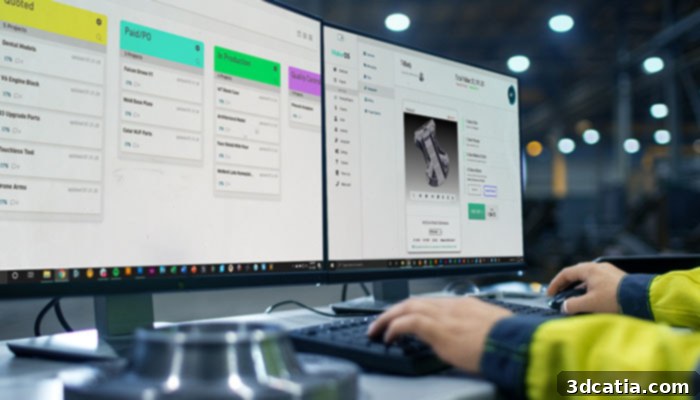
MakerOS: The Comprehensive Business Operating System for Digital Fabrication
Ultimately, the MakerOS platform was meticulously designed to consolidate the functionalities of numerous disparate software platforms, effectively acting as a fully functional business operating system for 3D printing and digital fabrication teams. This consolidation is not just about convenience; it’s about creating a streamlined, efficient, and transparent ecosystem that drives productivity and profitability. By unifying quoting, design review, communication, project management, file storage, inventory, and accounting under a single roof, MakerOS eliminates the inefficiencies and complexities associated with managing multiple standalone tools. This integrated approach reduces subscription costs, minimizes data silos, and ensures that all team members and clients are working from the same, up-to-date information.
The real-world impact of MakerOS is eloquently captured by industry leaders. John Kray, Founder and CEO of Hydra Research, an industrial 3D printer manufacturer based in Portland, offers a compelling testimonial: “MakerOS has really streamlined our project management for our 3D services. The biggest benefit we have seen is the ability to have all communication, CAD/reference files, and invoices accessible in one easy-to-use online portal. This is miles better than having all this information scattered through multiple email threads with our clients. I also like the ability to track project progress by stages, which helps keep things moving and makes our clients feel like they know exactly where their project is at.” Kray’s experience highlights the profound difference a centralized platform makes in operational efficiency and client satisfaction. The ability to access all critical project data in one secure location not only saves countless hours but also significantly enhances client trust through unparalleled transparency. Clients appreciate knowing the precise status of their projects, fostering stronger relationships and encouraging repeat business.
In an industry as dynamic and competitive as additive manufacturing, staying ahead means adopting solutions that optimize every aspect of the business. MakerOS 2.0 represents a significant leap forward in this regard, offering a powerful, integrated, and user-friendly platform that empowers 3D printing and digital fabrication companies to operate more efficiently, collaborate more effectively, and achieve greater success. If you’re curious to explore how this innovative solution can transform your operations, you can find a wealth of additional information and detailed features on MakerOS’s official website.
Are you interested in discovering how a dedicated collaboration platform could revolutionize your 3D printing business? We invite you to share your thoughts in the comments section below or engage with us on our Facebook and Twitter pages. Don’t miss out on the latest advancements and news in the additive manufacturing world – be sure to sign up for our free weekly Newsletter, delivering all the essential updates directly to your inbox!