
The Ultimate Guide to Leading 3D Bioprinters Driving Innovation in Medical & Research Applications
If you are interested in the transformative role of 3D printing in the medical sector, then the term “bioprinting” has almost certainly captured your attention. This groundbreaking additive manufacturing technique is truly unique, as it enables the precise creation of complex cellular structures. These structures are built from specially formulated bioinks, which are typically composed of living stem cells, biocompatible polymers, and growth factors. The majority of 3D bioprinters operate on a fundamental principle: they deposit these sophisticated materials layer by layer, often utilizing a syringe-based extrusion method. However, the field is rapidly evolving, with some advanced 3D bioprinters employing lasers as an energy source for high-resolution printing, while others deposit bioink droplets with meticulous precision, much like a Material Jetting 3D printer.
The immense excitement surrounding bioprinting is entirely well-deserved, given its profound implications for healthcare and regenerative medicine. We have already witnessed its application in the creation of rudimentary organ structures, including miniature hearts, livers, and even retinal tissues, paving the way for future full-scale organ transplantation. Beyond complex organ development, bioprinting holds immense promise for drug discovery, personalized medicine, and the development of advanced tissue models for disease research. What many might not realize is that this revolutionary technology is no longer confined to specialized labs; a growing number of sophisticated 3D bioprinters are already available on the market, serving both cutting-edge research and burgeoning commercial applications. To help you navigate this exciting landscape, we have meticulously compiled a list of prominent 3D bioprinters currently available, sorted alphabetically by manufacturer’s name, detailing their unique features and applications.
Advanced Solutions
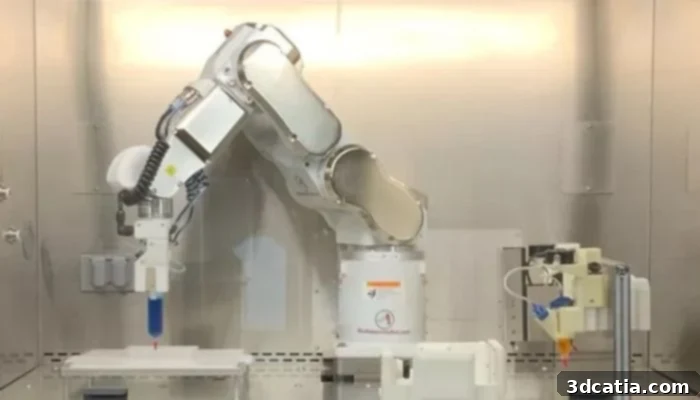
Advanced Solutions stands as a pioneer in the additive manufacturing market, consistently introducing innovative bioprinting devices. Their flagship BioAssemblyBot product line, originally launched in 2015, has seen remarkable advancements. The latest iteration, the BioAssemblyBot 500 (BAB500), represents a significant leap forward in bioprinting technology. This state-of-the-art machine is distinguished as the only one of its kind to integrate a versatile six-axis robotic arm within a Class II, Type-A biosafety cabinet. This powerful combination of features, further augmented by a comprehensive suite of specialized tools, offers operators an unparalleled degree of control and precision during the bioprinting process. With the BAB500, researchers and engineers can meticulously control critical parameters such as temperature, pressure, and UV exposure, all within a sterile environment. This capability makes the BAB500 an indispensable tool for rigorous scientific research, enabling the creation of complex cellular constructs with enhanced safety and reproducibility.
Allevi
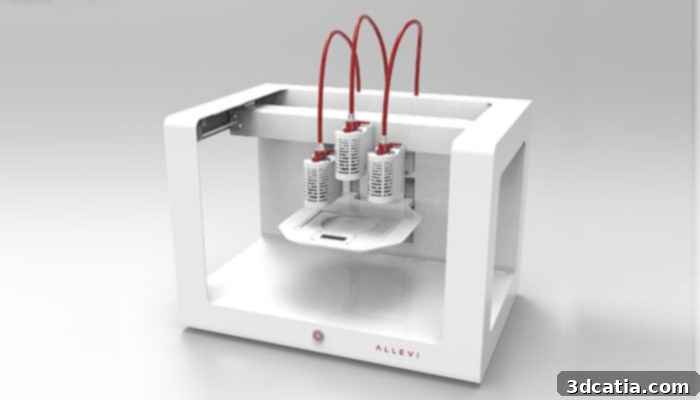
Allevi is an innovative American company that initiated its journey into the development of 3D bioprinters in 2014, quickly gaining recognition for its forward-thinking approach. In 2021, Allevi further solidified its position in the industry by becoming an integral part of 3D Systems, a global leader in additive manufacturing. From its inception, Allevi’s founder and CEO, Ricky Solorzano, an entrepreneur recognized on Forbes’ and Inc.’s 30 Under 30 lists, has steadfastly focused on driving innovation in bioprinting. The company’s current product portfolio showcases three advanced bioprinter models: the Allevi 1, Allevi 2, and the flagship Allevi 3. The Allevi 3, in particular, stands out with its impressive capability to accommodate three extruders, allowing for the seamless combination of multiple materials to fabricate intricate tissues and complex biological solutions. It also boasts an automatic calibration system, enhancing ease of use and precision. Its versatile print tray can accommodate various labware, including Petri dishes, well plates, and glass slides. The Allevi 3 offers a broad spectrum of applications, empowering operators to create both soft and hard tissues, including critical structures like bones and cartilage, making it a powerful tool for a diverse range of biomedical research.
 Aspect Biosystems
 Aspect Biosystems
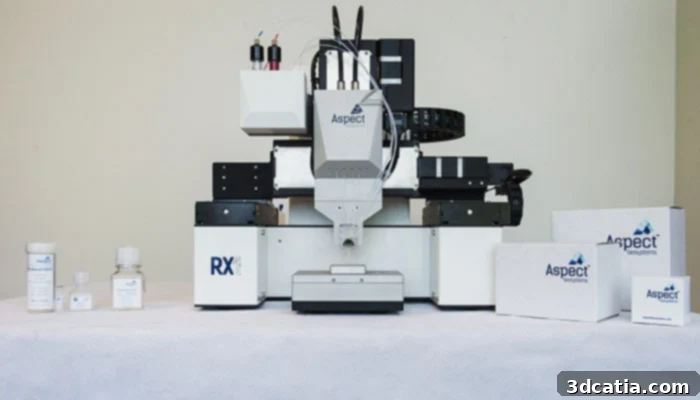
Aspect Biosystems is a distinguished Canadian research company that was prominently featured as one of our ‘3D startups of the month’. Founded in 2013, the company has made significant strides in the bioprinting landscape, most notably by successfully patenting its proprietary Lab-on-a-Printer™ bioprinting technology. This innovative technology is specifically engineered to produce physiologically complex human tissues in a highly personalized manner, which is crucial for advancing regenerative medicine and drug testing. A few years after its establishment, Aspect Biosystems began marketing its advanced 3D bioprinter, the RX1™. This cutting-edge machine provides exceptional flexibility and precise control in the 3D fabrication of heterogeneous tissues, allowing for the intricate layering of different cell types and biomaterials. Furthermore, Aspect Biosystems supports its bioprinting platform by supplying a comprehensive range of high-quality biomaterials and a variety of specialized print heads, enabling researchers to explore diverse applications and achieve highly tailored results in tissue engineering.
Axolotl Biosystems
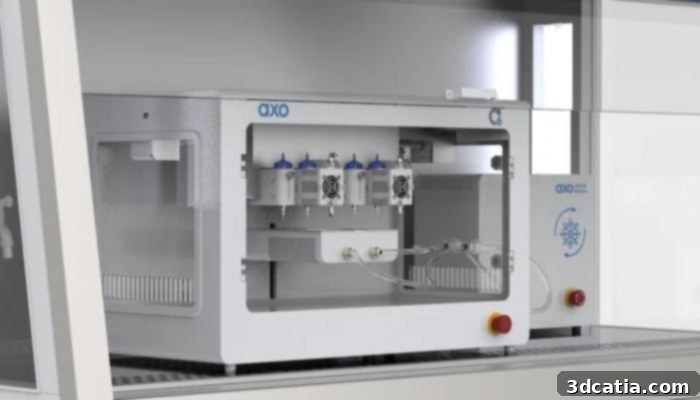
The Axolotl Biosystems Axo A6 represents a state-of-the-art, multifunctional bio-3D printer designed for maximum versatility and research capability. Its standout feature is its six independent printhead slots, which provide unparalleled flexibility for performing multiphase bioprinting. This allows researchers to precisely combine different bioinks and materials in a single print job, accelerating the development of complex tissue models. The Axo A6 also boasts an exceptionally wide pressure and temperature range, spanning from 0 to 800 kPa, ensuring that it can meet the demanding requirements for printing a diverse array of biomaterials. For instance, its printhead solutions can be heated up to a precise 265 °C for materials requiring elevated temperatures, while its print beds can be cooled down to an impressive -10 °C thanks to a sophisticated liquid-based cooling system. This extensive control over environmental factors is critical for maintaining cell viability and material integrity. The printer is designed for extensive integration, supporting a wide range of advanced toolheads, including heated and cooled printheads, cell electrotype printheads, melt electrotype printheads, UV curing modules, and high-definition camera toolheads. These comprehensive features collectively empower researchers to conduct a vast array of sophisticated bioprinting experiments, pushing the boundaries of tissue engineering and regenerative medicine.
BRINTER
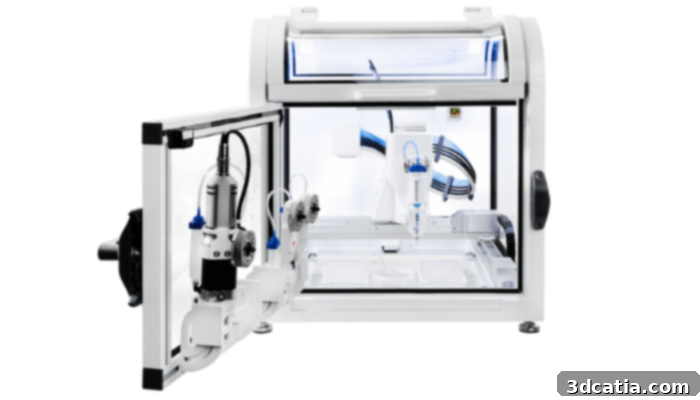
Based in California, Brinter is an innovative company that emerged as a spin-off from the Finnish company 3D Tech Ltd., with a dedicated focus on the development of advanced 3D bioprinters. The BRINTER ONE is a flagship product, renowned for its array of powerful features designed to streamline and enhance the bioprinting process. A key advantage of the BRINTER ONE is its ability to automatically change its dosing head, which significantly contributes to higher cost-efficiency and operational flexibility by minimizing manual intervention and enabling diverse material processing. Furthermore, the printer incorporates special germicidal UV-LEDs, ensuring a sterile printing environment essential for producing tissue-like constructions with high cell viability. It utilizes a precise layer-by-layer printing method, building intricate structures with accuracy. Users also benefit from the BRINTER® ONE’s generous built-in volume, measuring 304 x 174 x 80 mm, which accommodates larger constructs. An integrated camera for online process monitoring provides real-time oversight and control, crucial for quality assurance in delicate biological applications. The BRINTER® ONE is highly versatile, finding applications in the production of individualized tumor models for cancer research, cartilage repair for orthopedic applications, and the development of pharmaceuticals, highlighting its broad utility across biomedical fields.
CELLINK
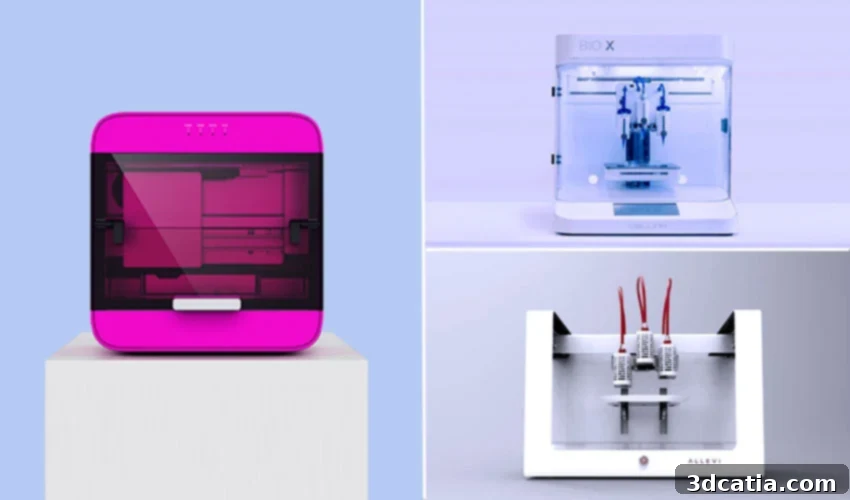
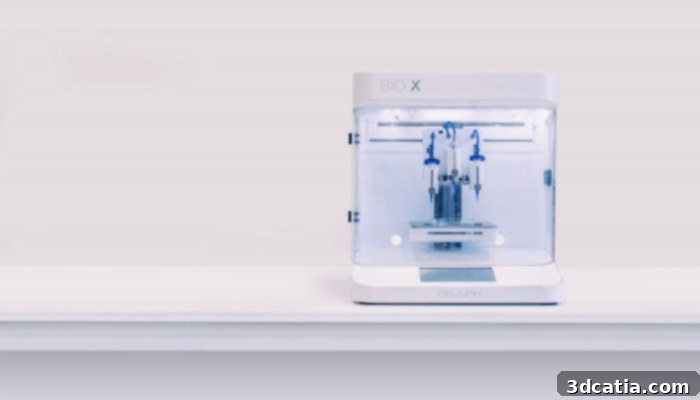
CELLINK has rapidly established itself as one of the preeminent manufacturers of 3D bioprinters in the global market. Since its inception in 2016, the Swedish company has been at the forefront of innovation, developing a diverse portfolio of machines that significantly contribute to the advancement of tissue engineering and the creation of microorganisms. These bioprinted constructs are invaluable for testing new pharmaceutical and cosmetic products, offering ethical and efficient alternatives to traditional animal testing. With immense potential, these technologies are also geared towards future applications in regenerative medicine, including the printing of functional human organs. CELLINK’s extensive range now includes six distinct bioprinters, most of which are based on highly precise extrusion processes. Their solutions are trusted and utilized by over 700 laboratories worldwide, a testament to their reliability and effectiveness. One of its flagship models, the BIO X, exemplifies CELLINK’s commitment to versatility and performance. The BIO X integrates three different print heads, allowing for easy interchangeability between various printing techniques and the simultaneous use of multiple materials. This flexibility enables researchers to design complex structures from virtually any cell type, from endothelial cells and bacterial strains to fibroblasts, facilitating groundbreaking research across a wide spectrum of biological applications.
Fluicell
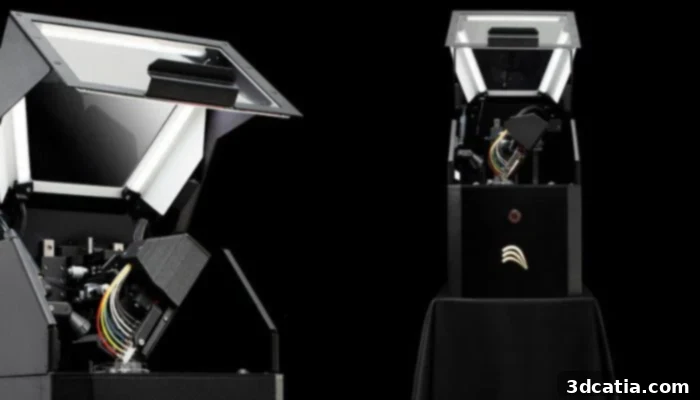
Fluicell, a company that originated as a spin-off from Chalmers University of Technology in 2012, has carved a niche for itself by specializing in high-resolution bioprinting and advanced single-cell biology. Their unique approach distinguishes them within the bioprinting landscape. Currently, Fluicell offers two innovative 3D single-cell bioprinting platforms in their product portfolio: Biopixlar and Biopixlar AER. The Biopixlar AER is a more advanced and compact iteration of its predecessor, specifically engineered as a microfluidic bioprinting platform. Its design allows it to seamlessly fit into confined spaces such as fume hoods or biosafety cabinets, making it incredibly versatile for various laboratory setups. What truly sets Fluicell’s platforms apart from many others on this list is their distinct method: they do not rely on traditional bioinks. Instead, these platforms enable users to directly deposit individual cells with exceptional precision using a sophisticated microfluidic printhead. This capability allows for the creation of everything from single-cell arrays for precise cellular studies to highly detailed tissues composed of multiple different cell types, all without the need for complex bioink formulations. This unique methodology also contributes to an impressive cell viability rate of 95%. Furthermore, the Fluicell bioprinters have been optimized for use even in challenging and harsh environments, including specialized applications in space or the deep sea, showcasing their robust and adaptable engineering.
GeSiM
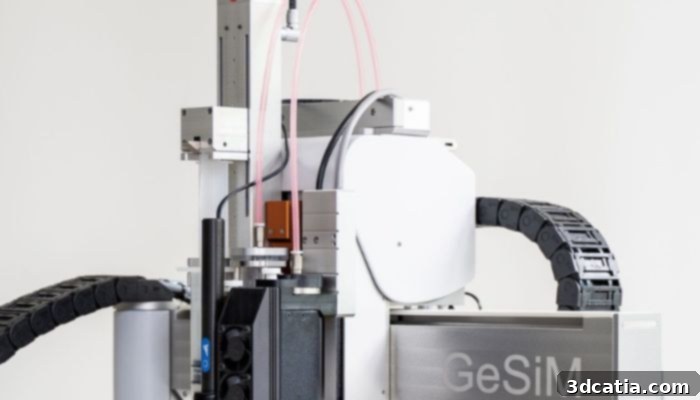
GeSiM is a distinguished company renowned for offering highly customizable bioprinters tailored to specific research needs, and their latest innovation is the BS3.3 Prime. This new bioprinter is designed to empower researchers with a comprehensive set of tools, facilitating easy and efficient 3D printing with most popular bioinks available on the market. GeSiM’s 3D bioprinters are versatile, capable of creating intricate biocapsules for enhanced cell growth, or precisely depositing layers of bioinks onto implants or microfluidic devices, opening up numerous application possibilities. A significant advantage of these printers is their modularity, allowing for the flexible addition or removal of different tools, ensuring adaptability to evolving research requirements. The BS3.3 Prime features an advanced printhead equipped with precise temperature control and the ability to utilize different wavelengths, further enhancing its versatility. It supports both pneumatic and mechanical extrusion methods, catering to a wide range of material properties and printing strategies. This robust bioprinter is capable of printing a broad spectrum of materials, including various alginates, low-melt polymers, and specific PCLs (polycaprolactones). The BS3.3 Prime stands out as an excellent choice for beginners entering the field of bioprinting, while simultaneously offering the expandable capabilities to meet potentially increasing demands as research progresses, making it a truly future-proof investment.
Inventia
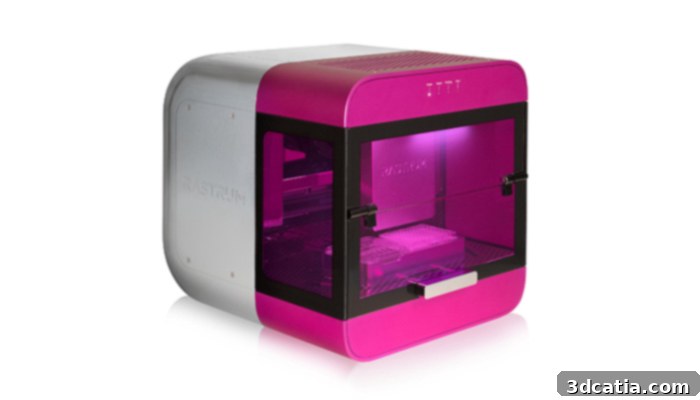
Inventia is an innovative startup that originated in Australia in 2013, quickly establishing itself as a specialist in the distribution of cutting-edge equipment and reagents crucial for medical research utilizing 3D bioprinting. Their flagship machine, Rastrum, has garnered significant recognition for its remarkably compact design and exceptional performance. The Rastrum bioprinter is engineered to print 3D cell models at high speed, making it an invaluable asset for health professionals and researchers engaged in critical areas such as drug testing, particularly for advanced cancer treatments. Its capabilities extend beyond drug screening, making it equally suitable for the intricate creation of various tissues and organs, pushing the boundaries of regenerative medicine. Designed with stringent safety standards in mind, the 3D bioprinter is equipped with a state-of-the-art biological safety cabinet, ensuring a sterile environment for delicate biological samples. This cabinet also features a double HEPA filtration system, providing superior air purification. A notable advantage of the Rastrum is its ability to utilize up to 8 different cell types simultaneously during the printing process, allowing for the creation of highly complex and heterogeneous tissue models. While the Rastrum is not commercialized for general sale, interested parties with relevant research projects are encouraged to contact Inventia directly to explore potential collaborative opportunities and leverage their advanced bioprinting technology.
Organovo
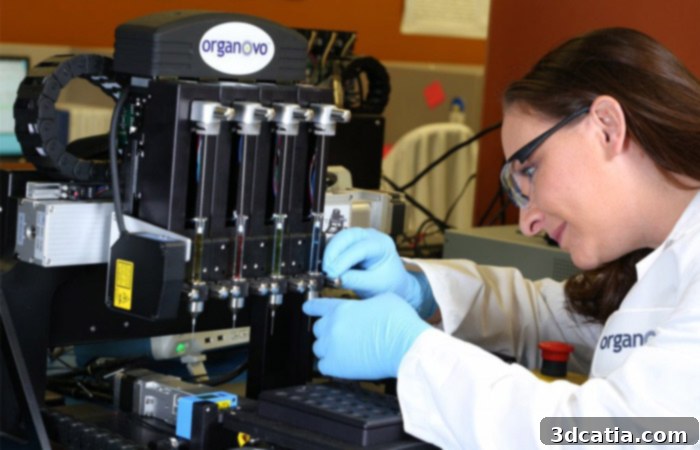
Founded in 2007, the American company Organovo has become widely recognized for its pioneering research and development in human tissue bioprinting. In a strategic collaboration with Invetech, Organovo successfully developed its advanced 3D bioprinter, the NovoGen MMX. This sophisticated machine is now capable of creating functional tissues from a variety of organs, including the liver, kidneys, intestine, skin, pancreas, and many others. The NovoGen MMX features a dual-printhead system, allowing for the simultaneous extrusion of different materials. One printhead is typically dedicated to extruding human cells, precisely placing them to form biological structures. The other printhead handles a hydrogel, which serves as a crucial scaffolding or support matrix, providing structural integrity and a conducive environment for cell growth and tissue maturation. Organovo strategically does not market its bioprinter for general sale. Instead, the company focuses on selling its bioprinted human tissues directly to drug manufacturers. This unique business model allows pharmaceutical companies to more effectively test their new drug products in a biologically relevant environment, accelerating drug discovery and development while potentially reducing reliance on traditional animal testing. Organovo’s contributions are thus pivotal in advancing more accurate and ethical drug validation processes.
Poietis
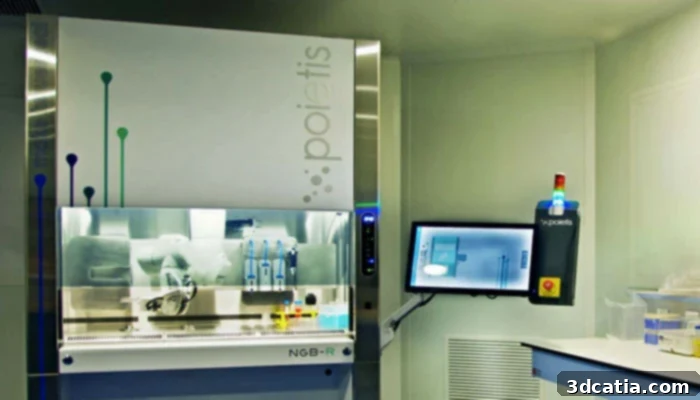
Poietis, a leading 3D bioprinting company based in France, specializes in innovative tissue bioprinting technologies, consistently pushing the boundaries of regenerative medicine. Since 2016, Poietis has significantly accelerated its research and development efforts through impactful partnerships with global industry leaders. Notable collaborations include projects with L’Oréal for the advancement of bioprinted hair models and with BASF, highlighting their versatile applications across various sectors. In October 2018, the company made a landmark announcement with the launch of its most ambitious project to date: a groundbreaking 4D bioprinting platform named “Next Generation Bioprinting (NGB).” This advanced platform is built upon four core technologies that enable unparalleled precision and control: sophisticated computer-aided design for intricate tissue architecture, automated and robotic bioprinting for high-throughput fabrication, real-time process control for ensuring print quality and cell viability, and advanced tissue modeling for predictive functional outcomes. Expanding their offerings, Poietis subsequently launched two specialized 3D bioprinters under the NGB umbrella: the NGB-R, specifically designed for rigorous research applications, and the NGB-C, tailored for the demanding requirements of clinical developments. In 2021, Poietis gained significant attention with the successful installation of its platform at the AP-HM (Assistance Publique – Hôpitaux de Marseille), one of France’s largest hospital systems. Through this strategic deployment, medical professionals at AP-HM aim to leverage Poietis’s technology to create implantable biological tissues, marking a crucial step towards clinical translation and offering new hope for patients requiring regenerative therapies.
Regemat 3D
 Regemat 3D
Established in 2011, the Spanish company Regemat 3D has rapidly become a key player in the bioprinting industry, specializing in the development of sophisticated bioprinters for various tissue engineering applications. Their flagship product, the REGEMAT 3D V1 bioprinter, is specifically designed for the precise printing of osteochondral tissues, crucial for bone and cartilage repair, and is adaptable for numerous other tissue-specific applications. This versatile bioprinter offers a generous bioprinting volume of 150 x 150 x 100 mm, providing ample space for creating substantial tissue constructs. It boasts impressive resolution capabilities, achieving a fine resolution of 150 microns on the XY axis, enabling intricate pattern formation, and an exceptional resolution of 400 nanometers on the Z axis, which is critical for precise layer deposition and the creation of detailed 3D structures. The REGEMAT 3D V1 is further enhanced by its inclusion of three interchangeable print heads, allowing researchers to meet a wide range of experimental needs. This modularity supports diverse printing strategies, from scaffolding with structural biomaterials to direct cell extrusion, ensuring maximum flexibility and utility in advanced tissue engineering research. Its combination of high resolution, versatile print heads, and robust build volume makes it an invaluable tool for innovative biomedical applications.
Rokit Healthcare
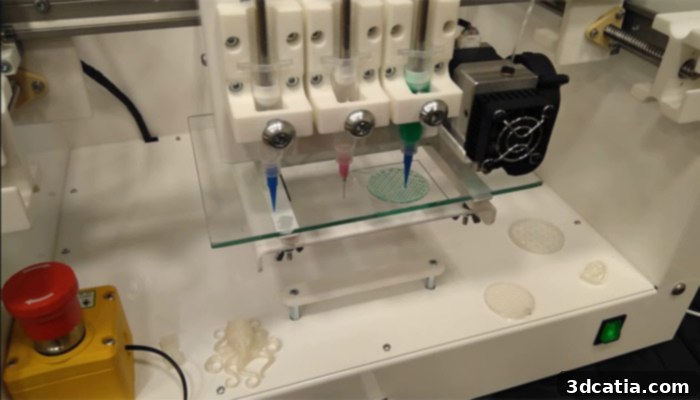
Rokit Healthcare is a forward-thinking company dedicated to revolutionizing current healthcare methods by harnessing the immense benefits of additive manufacturing. With a core mission to integrate advanced technologies into medical care, Rokit Healthcare provides comprehensive bioprinting solutions tailored for today’s evolving healthcare landscape. Leveraging cutting-edge additive manufacturing (AM) technologies, the company actively develops groundbreaking applications for the fields of bioengineering and regenerative medicine, focusing on crucial areas such as sophisticated disease modeling and advanced tissue regeneration. Among the diverse and innovative solutions offered by Rokit Healthcare, one particular 3D printer that consistently stands out is the Dr. Invivo 4D2 3D printer. This versatile machine is engineered with multi-material capabilities, allowing it to produce a wide array of biological constructs. It is capable of creating intricate human tissue models for research, personalized implants for therapeutic interventions, and various support structures including hydrogels, thermoplastic filaments, pastes, and complex composite materials. By expertly utilizing these diverse materials, the Dr. Invivo 4D2 can precisely fabricate both hard and soft tissues, making it an indispensable tool for developing everything from bone implants to delicate soft tissue repairs and advanced organ-on-a-chip models for disease study.
UpNano
The Nano One Bio from UpNano represents a significant leap forward in bioprinting technology, specifically designed to enable 3D printing of living cells for biological applications with an unprecedented level of precision. This innovative system utilizes laser-powered 2-photon 3D printing technology, allowing it to construct intricate structures across an astonishing 12 orders of magnitude in resolution. This capability means it can create features from the macro-scale down to the nanoscale, which is critical for mimicking the complex biological environment of native tissues. A crucial component of this advanced system is the new hydrogel material, developed in collaboration with Xpect INX (based in Ghent, Belgium), a spin-off company renowned for its expertise in biocompatible material development. This particular hydrogel is uniquely formulated and is currently the only resin available on the market that allows for the direct embedding of living cells from a culture plate into high-precision 3D printed structures. This revolutionary feature ensures that cells maintain high viability and functionality within the printed construct, making the Nano One Bio an invaluable tool for creating highly accurate in-vitro models, personalized cell therapies, and advanced biological research. Its ability to combine ultra-high resolution with direct cell embedding truly sets it apart in the bioprinting landscape.
The rapid advancements in 3D bioprinting are reshaping the future of medicine, offering unprecedented possibilities for tissue engineering, drug discovery, and regenerative therapies. From creating complex organ models to developing personalized implants, the bioprinters highlighted in this guide exemplify the cutting-edge innovation driving this field forward. As technology continues to evolve, we can anticipate even more sophisticated systems that will bring us closer to a future where functional organs can be custom-printed on demand. What do you envision as the future of bioprinting? Let us know your thoughts in a comment below or engage with us on our Facebook and Twitter pages. Don’t forget to sign up for our free weekly Newsletter to receive all the latest news and insights in the world of 3D printing directly to your inbox!