News
Former Head of the Yeezy-Adidas Innovation Lab Founds FCTRY Lab, a Sneaker Prototyping Lab Using 3D Printing
Adidas is known worldwide for its sports products, shoes and even fashion accessories like sunglasses. And for the past few years, the German company has been using 3D printing to improve the performance of sportsmen and women, such as with…
- 3 min read
- News
- Six more stories
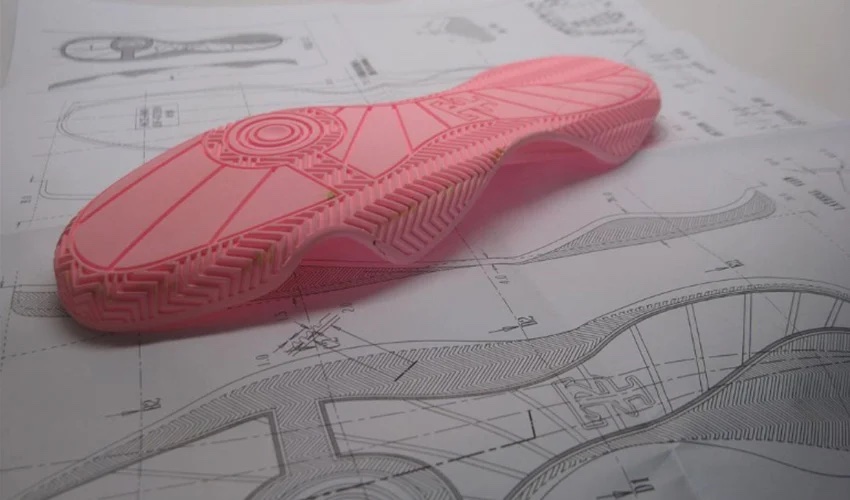
Adidas is known worldwide for its sports products, shoes and even fashion accessories like sunglasses. And for the past few years, the German company has been using 3D printing to improve the performance of sportsmen and women, such as with the 4DFWD or the 4D Fusio. The company is also famous thanks to its former collaboration with Yeezy, the brand of the musical artist Kanye West. The team included Omar Bailey, a former manager of the company’s Innovation Lab. He was responsible for developing and manufacturing products as a design engineer. Now that same Omar Bailey is branching off on his own, launching FCTRY Lab, a shoe prototyping lab that aims to use 3D printing to speed up production.
FCTRY Lab is born from a collaboration between Bailey and Abhishek Som, a former Wall Street executive. The partners are working with Stratasys to adopt 3D printing technologies and to take a more environmentally responsible approach to show prototyping. Moreover, through this partnership, the FCTRY Lab aims to support emerging and renowned designers and brands. To support the creation of the lab, $6 million was raised through a fundraising effort.

From left to right, founders Omar Bailey and his partner Abhishek Som (photo credits: FCTRY Lab)
Using 3D Printing to Accelerate Production Capabilities
As you know, additive manufacturing offers significant benefits in terms of production capacity. For product creation, Stratasys PolyJet technology is used, especially for footwear textiles. According to the FCTRY Lab, using this design method will avoid risks and delays in overseas supply chains, speeding up sneaker product development from 8 to 12 months to 1 to 3 months. In addition, textiles are one of the most polluting industries in the world. Thus, 3D printing should enable the laboratory to adopt a more sustainable behavior, especially in terms of resource management.
More from the desk
Six other notes from the rest of the bench.
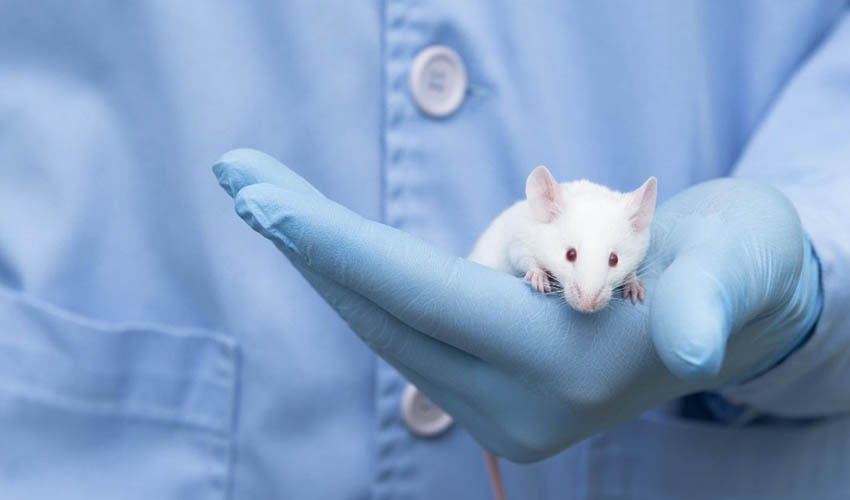 ApplicationsSee-Shell: 3D printed transparent skull to ‘see’ how the brain worksAt the University of Minnesota, researchers have developed a unique 3D printed transparent skull implant for mice. The skull named the See-Shell can be used to view real-time activity on the brain surface and could provide new insights for human…
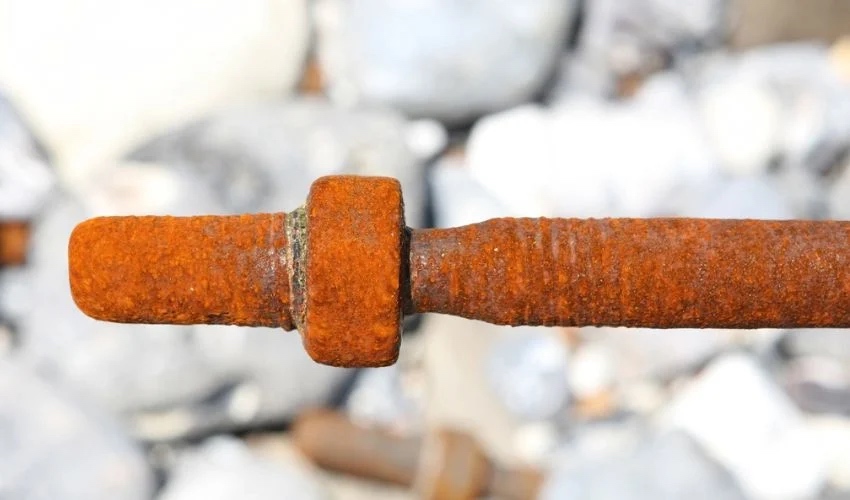 NewsStrengthening Metal Through Oxidation – A Radical Research Approach With Great Potential?Metal 3D printing is used in numerous fields and possibilities for expanding its potential are constantly being discussed in the aerospace, automotive and shipbuilding industries. Large-format parts are now being produced from metals using 3D processes and the technologies are&he
 MaterialsTIGER Coatings Manufactures Spare Parts With Flame-Retardant Materials for Austrian National Railway TrainsAfter the Kaprun cable car fire in November 2000 and the fire in the sleeping car of the DB night train from Paris to Munich in 2002 (two of the worst train fire disasters in Europe), calls for flame-retardant parts…
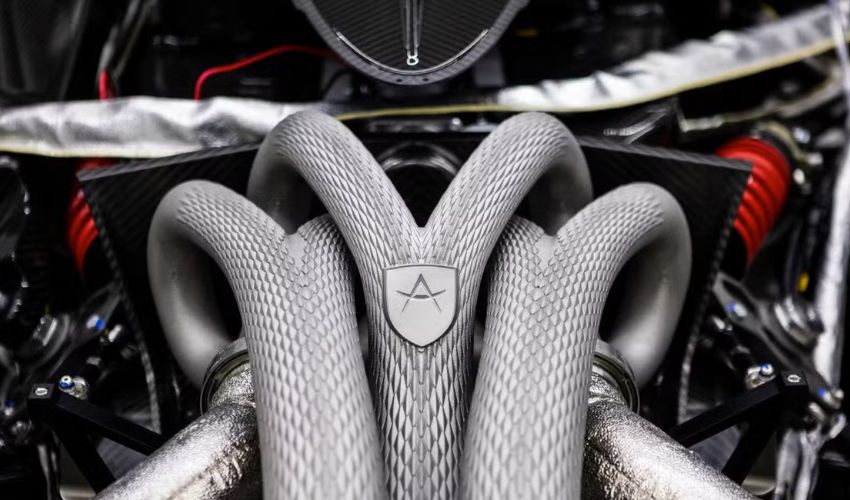 ApplicationsSee the 3D Printed, Dragon-Skin Exhaust Pipes from Apollo AutomobilThe German hypercar manufacturer Apollo Automobil recently revealed that its new Apollo EVO supercar has a stunning feature: tucked under the hood, there’s “dragon skin” exhaust pipes that were made possible thanks to additive manufacturing. The impressive part
  NewsMaster Additive Manufacturing in Different Verticals at RAPID + TCT 2025When asked about the barriers for additive manufacturing adoption, one that constantly comes up is the lack of knowledge or expertise in the field. Although AM technologies have been around since the 80s, many engineers still do not have the…
 News3D printing sustainable structures using local soilThe construction industry is currently facing two major challenges: the demand for sustainable infrastructure and the need to repair deteriorating buildings, bridges and roads. While concrete is the material of choice for many construction projects, it has a large carbon…