Materials
TIGER Coatings Manufactures Spare Parts With Flame-Retardant Materials for Austrian National Railway Trains
After the Kaprun cable car fire in November 2000 and the fire in the sleeping car of the DB night train from Paris to Munich in 2002 (two of the worst train fire disasters in Europe), calls for flame-retardant parts…
- 3 min read
- Materials
- Six more stories
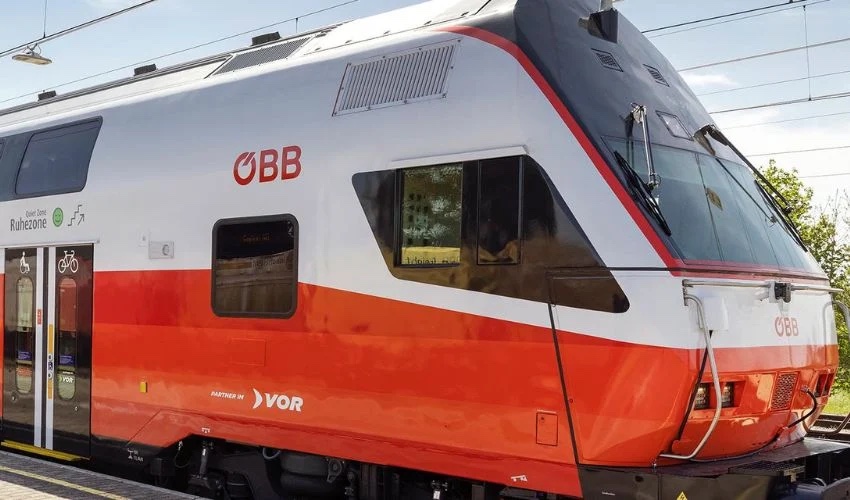
After the Kaprun cable car fire in November 2000 and the fire in the sleeping car of the DB night train from Paris to Munich in 2002 (two of the worst train fire disasters in Europe), calls for flame-retardant parts in rail vehicles became ever louder. Railroad operators and federal railroads wanted to respond with components made of certified materials to increase fire protection in trains. The European railroad standard EN 45545 was then introduced in 2013 and replaced the existing national standards from 2016 after a transitional phase.
EN 45545 brought significant strides forward in flame retardancy and, in the long term, greater safety. However, our world and especially our newer technologies are constantly evolving, meaning that EN 45545 can sometimes prove problematic for many parts manufacturers and railroad operators. Additive manufacturing in particular, which is often used for spare parts and short runs, is faced with an inadequate certified material supply. Railroad operators are therefore faced with a major challenge: the right partner with the right material is needed! The Austrian Federal Railways (ÖBB) found this partner in the material manufacturer and service provider TIGER Coatings, which was able to manufacture components from flame-retardant materials using 3D printing. So let’s take a closer look at this success story!

The flame-retardant material from TIGER Coatings complies with the EN 45545 standard (photo credits: TIGER Coatings)
EN 45545 – From Standard to Challenges
Protecting staff and passengers from fires is the primary objective of EN 45545, which was introduced to standardize fire and smoke standards in rail vehicles across Europe. In subsection EN 45545-2, these standards also relate to the materials used for parts. A distinction is made between three hazard levels: HL 1, HL 2 and HL 3, which are based on the type of train and its operation. The materials used for the train equipment must meet the requirements of these risk categories as well as the further defined criteria of the product classes and their place of use. For example, seals and hoses must have different values in terms of flammability, smoke emissions and toxicity depending on the hazard level HL 1, 2 or 3 and their use inside or outside the train. Finding materials that meet these criteria is the crux of the matter for rail operators and manufacturers.
More from the desk
Six other notes from the rest of the bench.
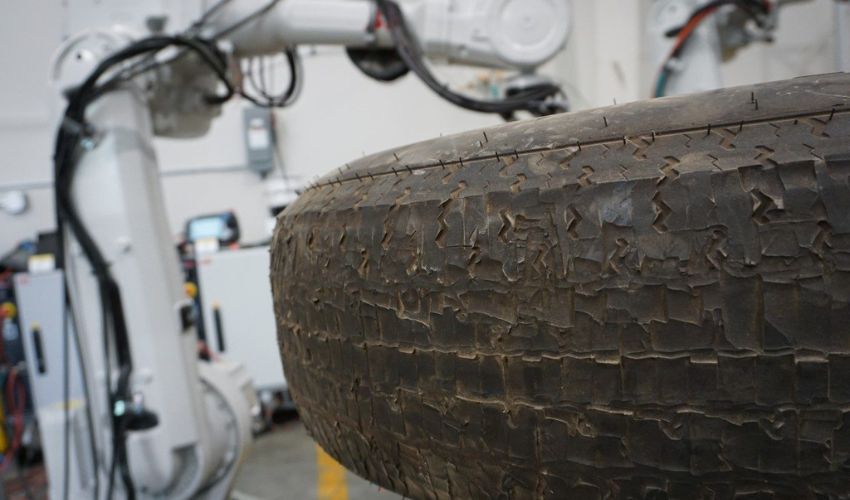 Applications3D Printing Could Reduce Waste and Emissions When Retreading TiresA team from Virginia Tech has been selected by the REMADE institute for a $1.5 million project to improve tire retreading using additive manufacturing. Tire retreading is a common part of commercial vehicle maintenance. Essentially, when a tire is worn…
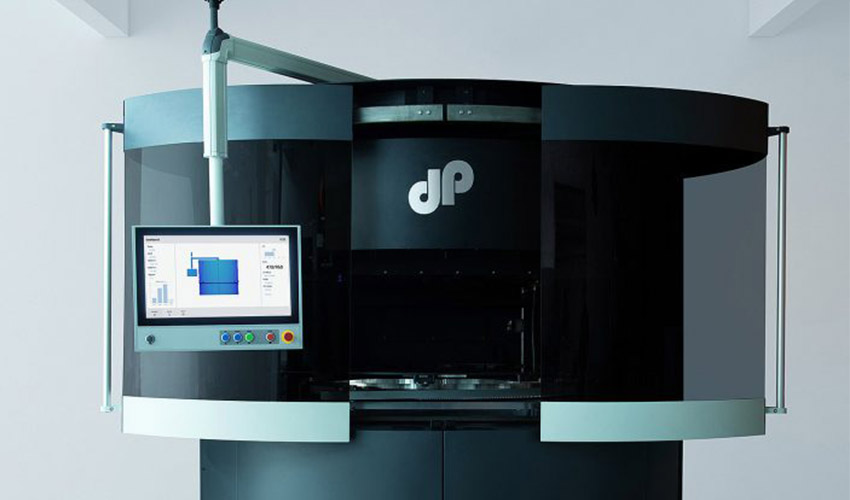 Printersdp polar presents its AMpolar i2 solution for industrial scale productionAt Formnext, 3Dnatives saw for the first time in person the AMpolar i2 from German manufacturer, dp polar. This machine seeks to be an additive manufacturing solution for industrial scale production, it employs the manufacturer’s proprietary technology, called High-Speed Rotative
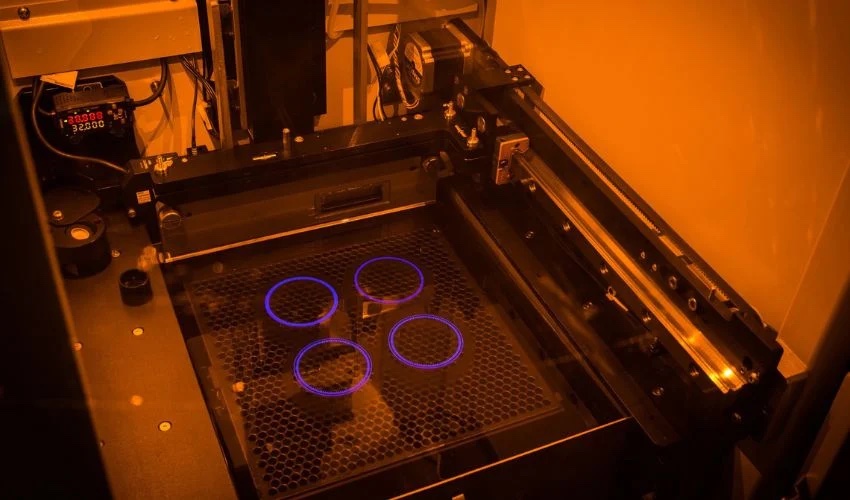 NewsHubs Report 2023: What Do We Know About the State of AM Over the Past Year?We all know that 3D printing just keeps growing. Now we have seen it once again in the Hubs Report 2023, which took a close look at the additive manufacturing market over the past year. The report includes exciting metrics…
 GuidesWhat is the Status of Women in the 3D Printing Industry?International Women’s Day takes place every year on March 8th. According to the United Nations, it is a global day that celebrates the achievements of women around the world as well as the progress that has been made up to…
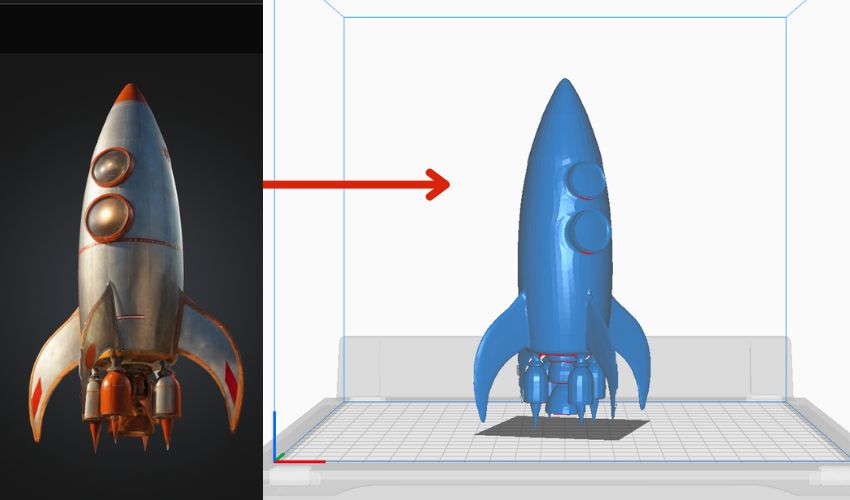 SoftwareStep-by-Step: How to Use AI 3D Model Generators for 3D PrintingArtificial intelligence is becoming an integral part of our daily lives, whether we welcome it or not. Its ability to optimize workflows, predict outcomes, and adapt in real-time is driving innovation across industries—including additive manufacturing. Companies like Nike have le
 News#TOP5 videos: Penguin rescued by 3D printing and much more!We found the TOP 5 videos of the week related to 3D printing and collected the additive manufacturing here. You can enjoy even more 3D printing videos on the our Youtube channel, as well as share your videos and comment on…