News
XYZBAG, 3D printed personalised handbags
XYZBAG is an Italian brand based in Turin that has chosen digital craftsmanship: it combines traditional design methods and additive manufacturing technologies to produce unique bags. Customisation is undoubtedly one of the reasons why more and more designers are turning…
- 3 min read
- News
- Six more stories
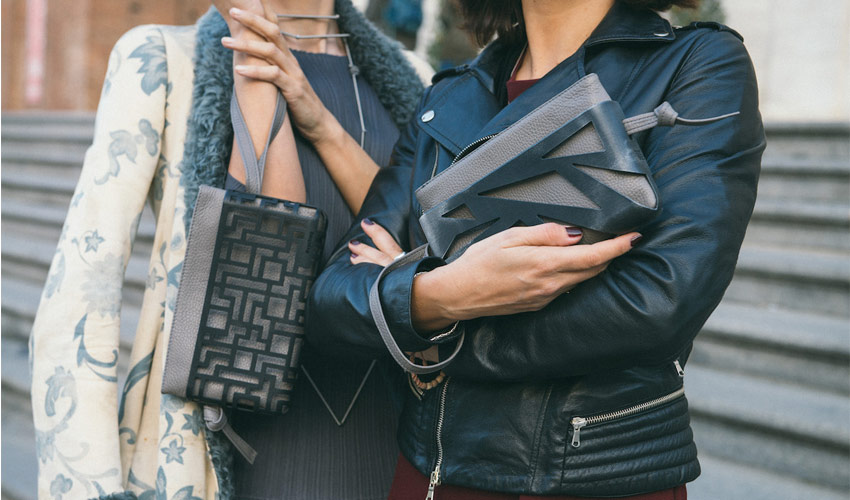
XYZBAG is an Italian brand based in Turin that has chosen digital craftsmanship: it combines traditional design methods and additive manufacturing technologies to produce unique bags. Customisation is undoubtedly one of the reasons why more and more designers are turning to 3D printing: it allows them to create custom-made objects at a lower cost and quickly. We have already seen 3D printed shoes or glasses; this time we are turning to an equally useful accessory, the handbag. We met Annalisa Nicola, co-founder of XYZBAG, to learn more about the role of 3D printing in the development of these handbags and the importance of personalisation in the fashion industry.
3DN: Can you present yourself and tell us about your first approach to 3D printing?

Annalisa Nicola
I have inherited an entrepreneurial mindset from my father, cofounder of an Italian plastic company. After I graduated in Ecodesign in Turin, I’ve been working in the field of design, from the idea to the finished product across B2B communication for the past 15 plus years. A major focus for me has been on plastic materials & technologies, playing a mediating role between creative departments and technicians involved in the creation of new products. When I first investigated 3D printing technologies, additive manufacturing was already established in the business industry for the development of prototypes. Unknown and original was the idea to look at these technologies from a manufacturing perspective.
I started being fascinated with 3D printing thanks to an illuminating book “Makers: The New Industrial Revolution by Chris Anderson”. I usually say it helped me realise that something that didn’t exist yet was possible. I really enjoyed the FabLab culture, open-source digital shops where modern enthusiastic experts provide tools and expertise to help you realise your ideas. In that context I made my first trials, with the latest generation of the Sharebot 3D printer. My first bag model was made using FDM technology. I was totally fascinated by the filament, the amazing mystery of transforming digital dimension physically, in a reasonable time. The additive layer effect introduces an interesting new aesthetic. Looking at that filament I understood that something extraordinary was happening.
More from the desk
Six other notes from the rest of the bench.
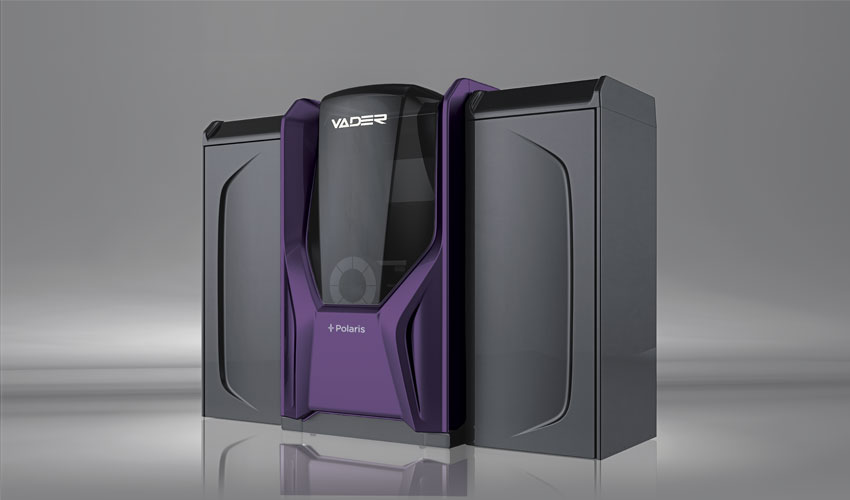 NewsXerox acquires Vader Systems to offer cheaper metal 3D printingXerox, the printer and photocopier manufacturer, announced during its 2019 Investor Day that it has acquired Vader Systems. Vader System is a New-York based metal additive manufacturing company. This acquisition should enable Xerox to offer low-cost metal additive manufacturing w
 MaterialsIs PLA filament actually biodegradable?There is a reason why the most popular and widely used 3D printing material for FDM printers is PLA. It’s a very easy to print plastic compared to other materials, which makes it the ideal filament for amateurs. Also, there…
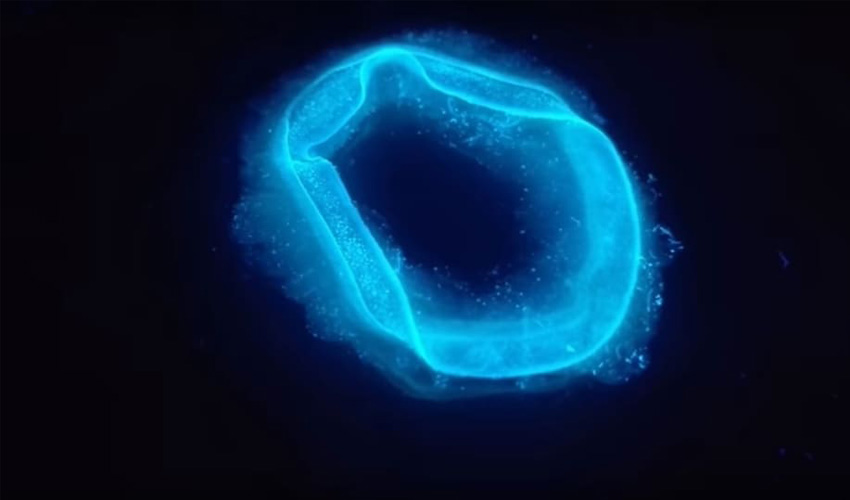 Materials3D Printing Bacteria: the New 3D Printing MaterialResearchers at the Zurich Institute of Technology (ETH Zurich) have developed a bio-ink for 3D printing bacteria. This breakthrough could lead to the production of biomedical cellulose or biological materials capable of destroying toxic substances. Researchers have developed a 3D
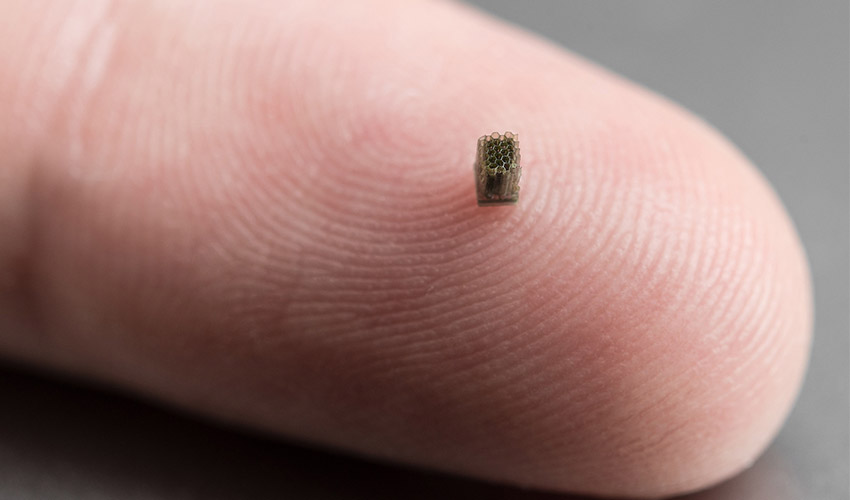 NewsNanofabrica announces commercial launch of micron resolution AM technologyNanofabrica, is an Israel-based additive manufacturing company for precision engineering that has just launched its micron-level resolution industrial 3D printers, the Workshop System and Industrial System. The following systems integrate Nanofabrica’s patented process, which is
 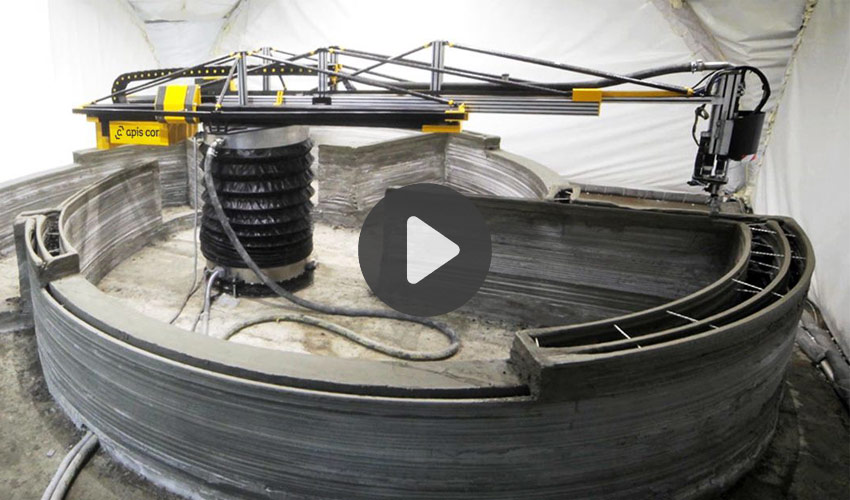 NewsTop 5 Videos: Apis Cor, 3D Systems & more!This week’s Top 5 Videos include a number of large business’ videos, in addition to some projects made by individuals. 3D printing giants such as Apis Cor and 3D Systems are in this list for announcing new projects and intentions.…
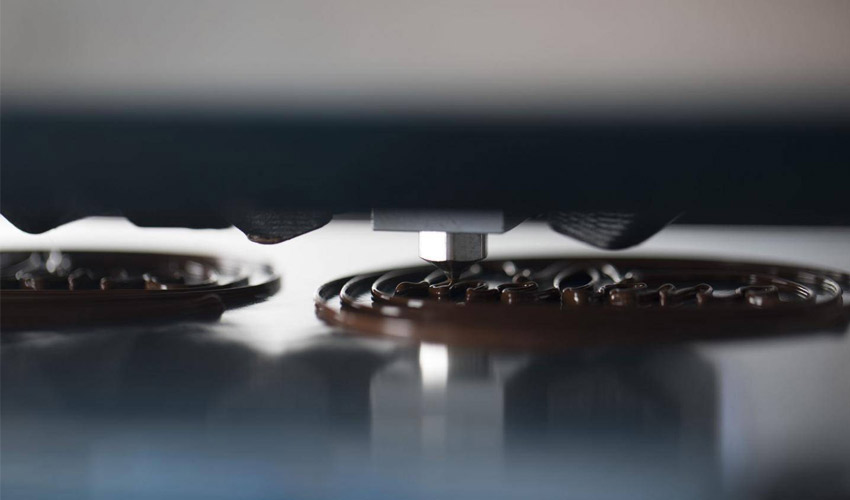 NewsThe first chocolate 3D printing studio opens in the NetherlandsChocolate manufacturer Barry Callebaut recently opened its first chocolate 3D printing studio through its subsidiary Mona Lisa, which specializes in the decoration of these sweets. The company says it is the first structure of its kind, where top chefs will…