Applications
World’s First 3D Printed Trachea Successfully Transplanted in South Korea
The continuous innovations in 3D printing within the medical field never fail to astonish, offering possibilities previously unattainable through traditional methods. Additive manufacturing, primarily valued for its capacity to tailor medical solutions, presents numerous advantag
- 3 min read
- Applications
- Six more stories
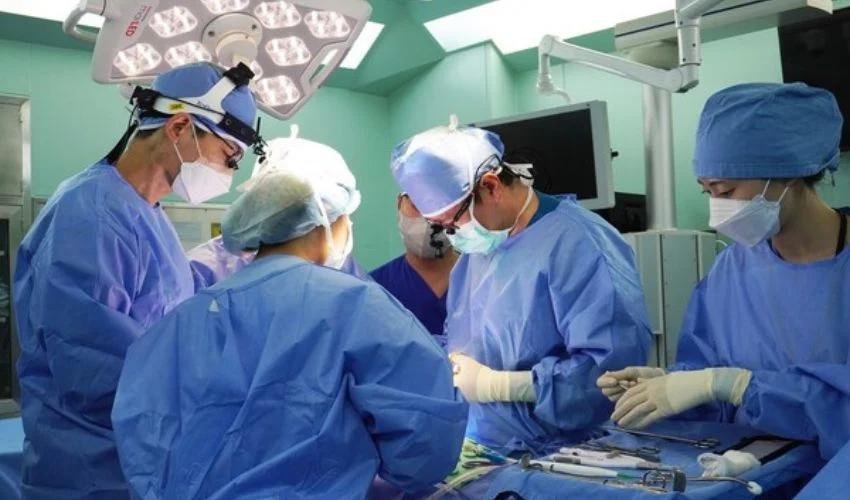
The continuous innovations in 3D printing within the medical field never fail to astonish, offering possibilities previously unattainable through traditional methods. Additive manufacturing, primarily valued for its capacity to tailor medical solutions, presents numerous advantages, notably in personalized medical interventions. From ongoing research projects optimizing materials for 3D printed implants to the development of oral stents enhancing cancer treatment, the applications of this technology have been impressive.
Collaborating at Seoul St. Mary’s Hospital of the Catholic University of Korea and Gachon University, scientists, doctors, and engineers achieved a historic milestone by conducting the world’s first study in which a custom-made 3D printed trachea was manufactured and transplanted. This pioneering procedure marked a significant milestone, offering hope to a woman in her fifties who had undergone thyroid cancer surgery, resulting in partial tracheal loss.
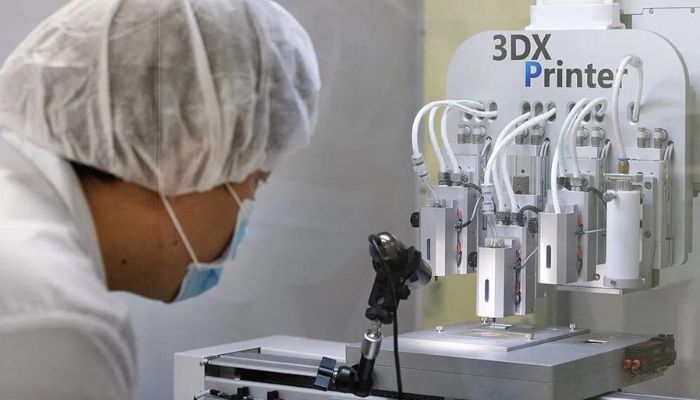
The 3D print of the artificial windpipe. (Photo Credits: T&R Biofab)
The transplantation of the 3D-printed trachea, crafted through bioprinting, was conducted by Professor Kim Seong-won and his team at the Catholic University College of Medicine. A follow-up examination conducted six months later revealed its success: not only had the tube healed, but new blood vessels had also developed. This breakthrough bears significant potential not only for individuals with thyroid cancer, but those affected by congenital anomalies, organ defects, or tracheal injuries as well. Conventional treatment methods post-thyroid cancer surgery, often deemed highly complex and high-risk, have consistently fallen short in restoring the trachea to its original state. The procedure utilized in this study has been under extensive research for the past two decades, dating back to 2004.
More from the desk
Six other notes from the rest of the bench.
 GuidesThe Top Projects That Use 3D Printing For Environmental RestorationAcross the world, designers, engineers, researchers, and artists are turning to 3D printing as a powerful tool for environmental restoration and regenerative manufacturing. Once viewed primarily as a prototyping technology, additive manufacturing is now enabling solutions that su
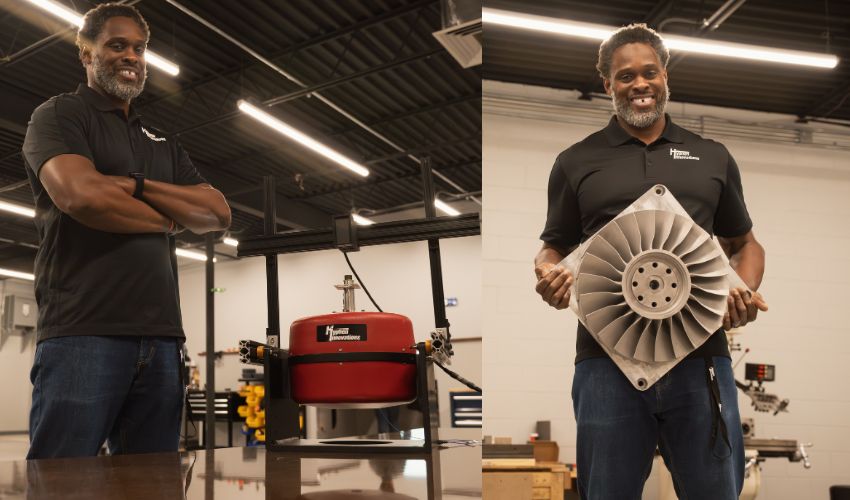 GuidesWhy Fatigue Still Decides Whether AM Flies — Insights from Dr. Onome Scott-Emuakpor Ahead of RAPID + TCT 2026Additive manufacturing promises lighter parts, complex geometries and faster production for aerospace. But in aviation, printing a component is the easy part. Proving it will survive in operation is what determines whether it is ever approved for service. A component…
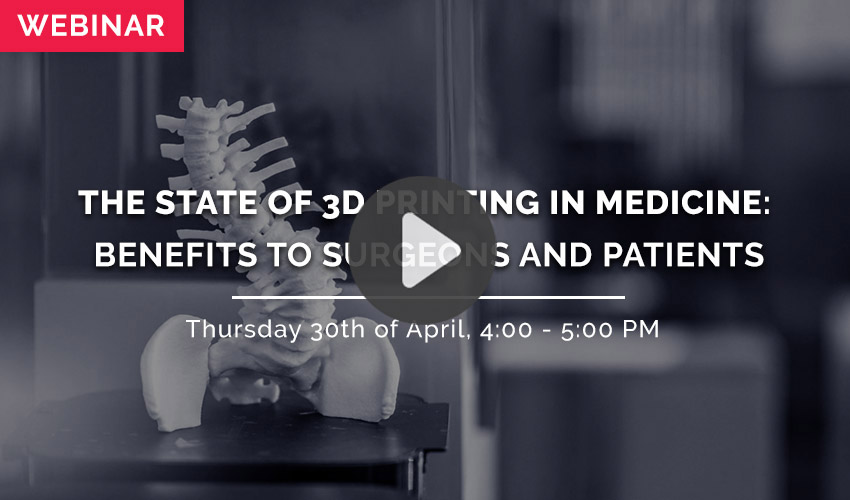 NewsWEBINAR: The State of 3D Printing in Medicine3Dnatives was joined by Formlabs and Axial3D to discuss the benefits of 3D printing for the medical sector. Additive manufacturing technologies can be used to create tailor-made medical devices such as implants and prosthetics, but also for surgical planning and…
 GuidesEarth Day: Can 3D Printing Help Preserve our Planet’s Resources?Preserving our planet has become one of the main challenges facing our current society. But it is difficult and long to change mentalities, still there are a number of initiatives that have been developed with the aim at protecting the…
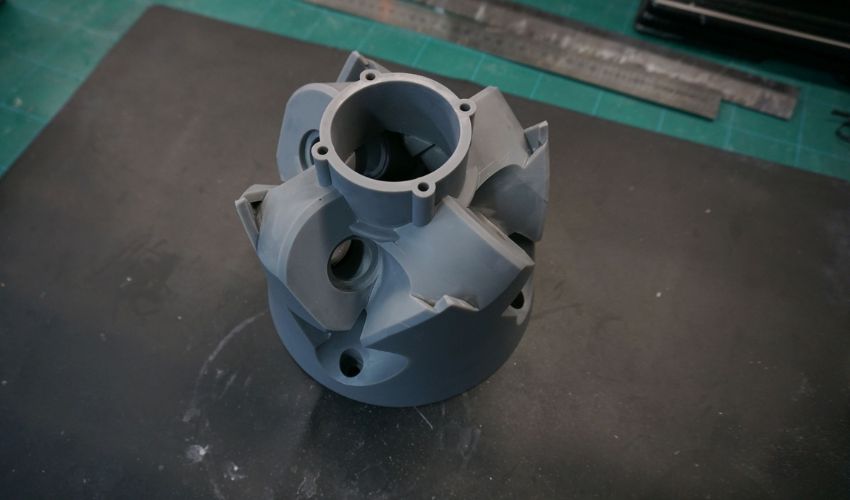 GuidesVelettrica Uses 3D Printing for More Sustainable Maritime TransportAdditive manufacturing can create parts with advanced materials that guarantee effective and cost-efficient solutions even in the most extreme environments, from the sky to space and the depths of the ocean. A prime example of this technological revolution is Velettrica,…
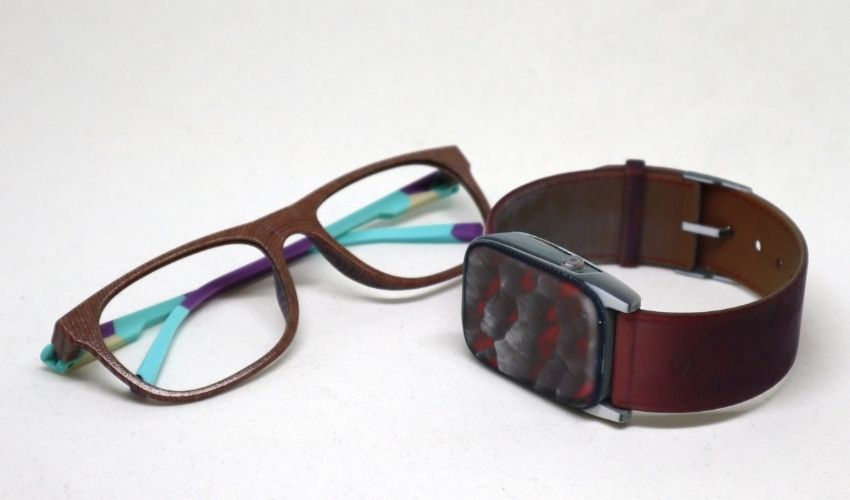 SoftwareStratasys Partners With Adobe For Streamlined 3D Printing Design WorkflowDesign software and 3D printers are the dynamic duo of the AM industry. Global additive manufacturing leader Stratasys has partnered with software giant Adobe to deliver a solution that streamlines workflow that enables engineers and designers to 3D-print models directly…