Guides
The Top Projects That Use 3D Printing For Environmental Restoration
Across the world, designers, engineers, researchers, and artists are turning to 3D printing as a powerful tool for environmental restoration and regenerative manufacturing. Once viewed primarily as a prototyping technology, additive manufacturing is now enabling solutions that su
- 4 min read
- Guides
- Six more stories
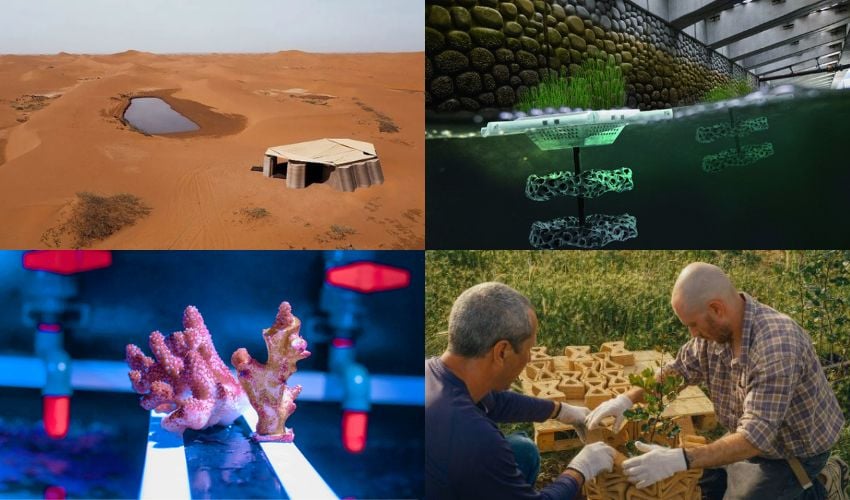
Across the world, designers, engineers, researchers, and artists are turning to 3D printing as a powerful tool for environmental restoration and regenerative manufacturing. Once viewed primarily as a prototyping technology, additive manufacturing is now enabling solutions that support biodiversity, rebuild fragile ecosystems, and strengthen conservation efforts in places ranging from deserts and forests to rivers and coral reefs. From prosthetic tree hollows and biodegradable shelters for young plants, these projects demonstrate how digital design and locally tailored fabrication can address ecological challenges with precision and sustainability.
Prosthetic Tree Hollows in Australia
McConnell Dowell, together with Inland Rail and researchers at the University of Melbourne, has developed and installed 18 prosthetic tree hollows to support threatened bird and mammal species in central Victoria. Designed using laser scans of natural hollows, advanced computer modelling, and innovative materials such as 3D printed wood and mycelium, the project offers a more durable and biologically appropriate alternative to traditional nest boxes. As the first initiative of its kind globally, the effort demonstrates how modern fabrication technologies can be integrated into major infrastructure projects to enhance environmental conservation. Early monitoring is already helping researchers understand species behavior, providing valuable data that can guide future large-scale habitat restoration strategies.
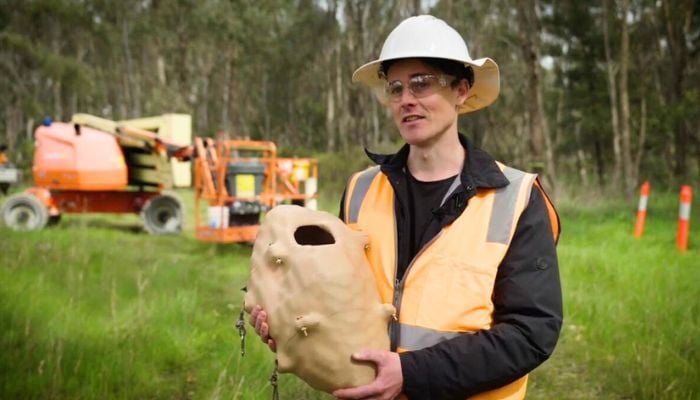
(Photo Credit: McConnell Dowell)
3D Printed Marine Habitat Prototype
At the World Design Congress in London, Zaha Hadid Architects and D-Shape unveiled Nereid, a digital marine habitat designed to help restore coastal ecosystems, particularly within Hong Kong’s North Lantau Marine Park. The project aims to stimulate the growth of phytoplankton and filter-feeding mollusks, which form the foundation of the marine food chain, addressing biodiversity loss driven by climate change, urbanization, and pollution. Using 3D printing with low-emission concrete and pH-neutral materials, Nereid replicates the natural textures and porosity of coral reefs, creating safe, biomimetic structures that can be installed across a variety of coastal environments.
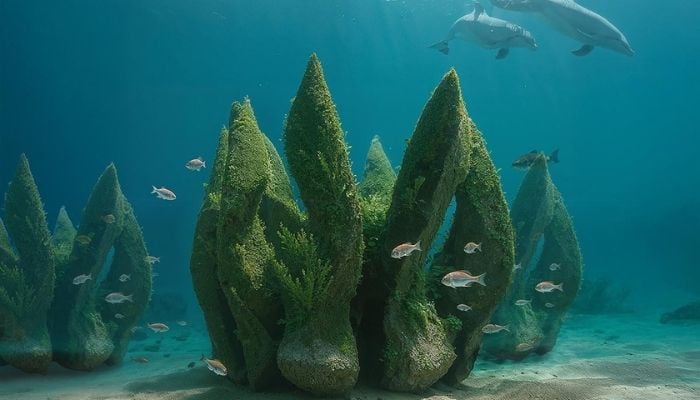
(Photo Credit: ZHA)
TreeSoil, a 3D Printed Shelter For Future Trees
Growing a tree or plant can be much more challenging in certain regions, especially in arid areas. Their early development is fragile, so protecting them is essential. This is the idea behind the TreeSoil project. It consists of soil-based shelters created using 3D printing, specifically with a robotic arm. Developed in Israel by the Technion Material Topology Research Lab, the project aims to shield young trees from wind, sun, and other environmental factors that could hinder their growth. The shelter is made from a mixture of clay, sand, organic fibers, and cellulose. Once printed, it is left to dry naturally and then assembled around the young tree without any adhesives. This makes it fully biodegradable and able to break down over time. After the tree has matured, the shelter naturally disintegrates and its nutrients are reabsorbed into the soil.
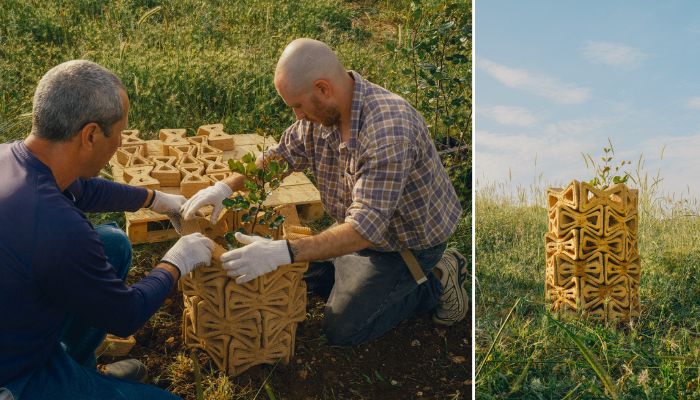
(Photo Credit: Edo Asoulin)
Coral Reef Tiles
Archireef is restoring damaged reefs using 3D-printed terracotta tiles shaped to resemble the surfaces corals naturally settle on. The tiles have soft, curved features that give young coral fragments a steady place to attach during the early weeks when they’re most vulnerable. For the Sino Group project in Hong Kong, teams placed hundreds of these tiles across a worn stretch of seabed, creating a new foothold for corals, fish, and other marine life to move back into. Because the tiles are lightweight and modular, divers can carry and arrange them by hand, avoiding heavy equipment in an area that’s already sensitive. The approach leans into the reality of reef restoration. Recovery is slow, and the design doesn’t try to rush it. Instead, the tiles create a stable foundation so the ecosystem can rebuild gradually, one fragment at a time.
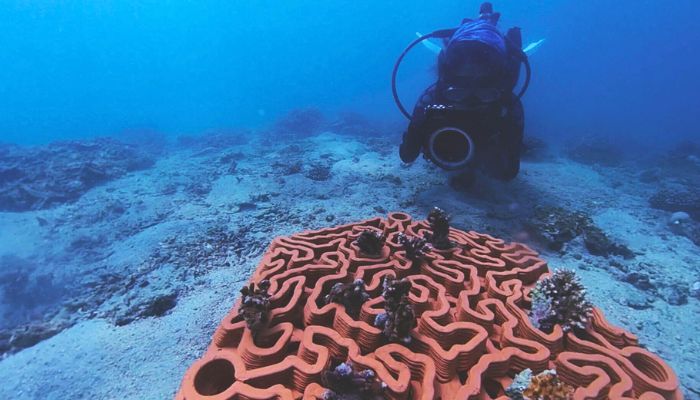
(Photo Credit: Archireef)
Les Utopies Entomologiques: Ceramic Homes for Insects and Small Wildlife
The artist Raphaël Emine completed this whimsical project to create habitats for insects and small wildlife in forests. In collaboration with the 3D printing company WASP, Emine designed the structures by taking inspiration from the natural world. They used structural patterns found in honeycomb cells, worm and spider webs, plant fractals, and geodesic mineral formations to create the little buildings. The result is a series of small architectural marvels, complete with tunnels, galleries, balconies, and corridors that give the creatures a dynamic environment to live in. Emine created two installations of these projects, one in 2023 and one in 2024, using the WASP 40100 LDM and Delta WASP 2040 Clay. These were located in the Parc Maison Blanche in Marseille, France.
More from the desk
Six other notes from the rest of the bench.
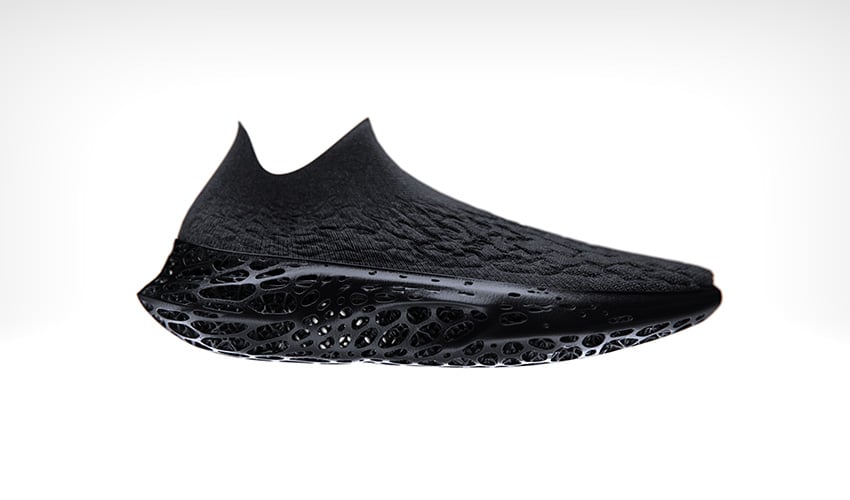 NewsDecathlon Unveils New Sports Shoe in Collaboration with HP and LonatiDecathlon, in collaboration with HP and the Lonati Group, has introduced a groundbreaking sports shoe created through 3D printing technology. This partnership combines HP’s Multi Jet Fusion technology with Lonati’s knitting machinery to design a pair of shoes that rev
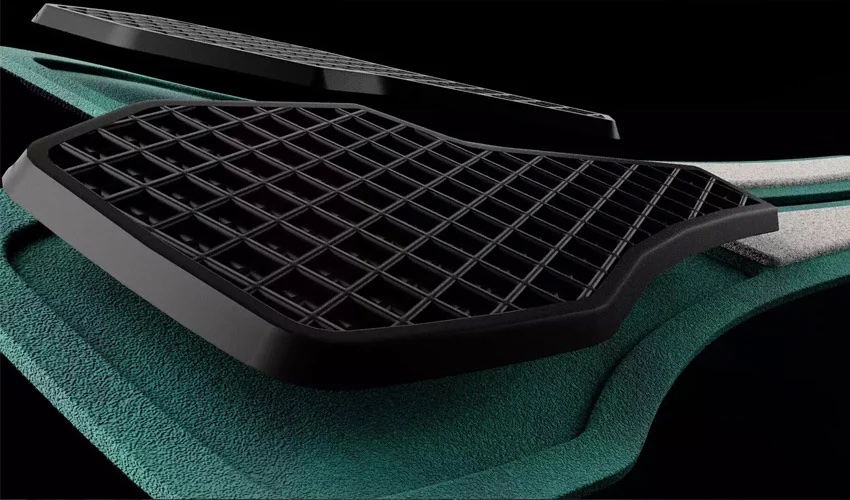 News3D Printed Inserts That Maximize Comfort for CyclistsBased in Treviso, Italy, Elastic Interface has used additive manufacturing for the first time to design chamois for cyclists, i.e. inserts that are placed inside the shorts to maximize rider comfort. Called NX3, these inserts have a unique design and…
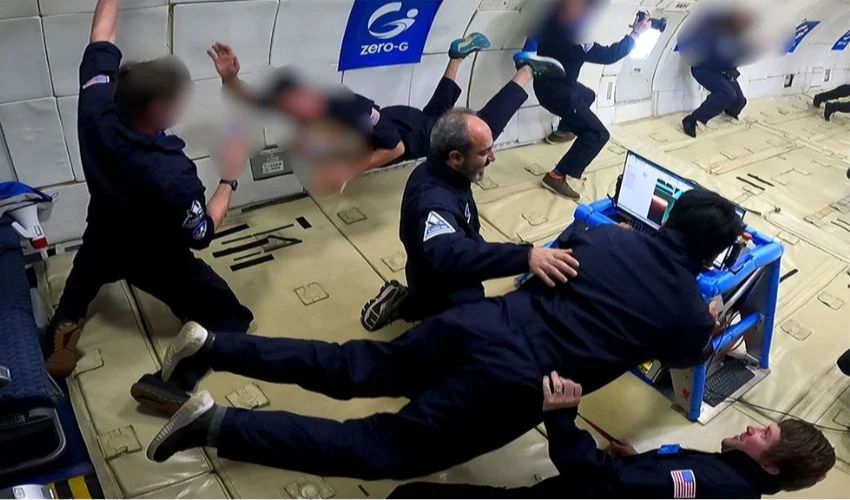 Applications3D Printer Successfully Tested on Parabolic Flights3D printing in space is no longer a myth: it’s possible to design 3D parts in such a demanding environment, where gravity presents obvious constraints and obstacles. Numerous projects have demonstrated that it is possible to create a wide variety…
 GuidesAskja Audio develops a high-end audio system with 3D printingThe French Startup Askja Audio was founded in 2014 to provide a revolutionary audio solution for all music lovers. Called Askja Origin, this set includes multiple mechanical 3D printed parts, including electronics boxes. Its founder Didier Kwak has especially imagined a large&hel
 MaterialsMetal Additive Manufacturing Market Expected To Have Generated $2.85 Billion in 2022A new report on the metal 3D printing market estimates that its revenues reached $2.85 billion in 2022, corresponding to year-on-year growth of 26%. Published by VoxelMatters Research, it underlines the importance of additive manufacturing machines in this sector. Indeed,…
 PrintersApple Granted Full-Color 3D Printer PatentApple were recently granted 44 new US patents. One of these included a patent for a “method and apparatus for three-dimensional printing of colored objects”, AKA a full-color Apple 3D printer. This follows Apple being granted a patent back in 2015…