Guides
#Working3D: Six Questions to Understand the Job of R&D Engineer
With the rise of industrial additive manufacturing, many companies are looking to hire profiles specialized in these new technologies, capable of fully making the most of its advantages. This is what we have seen on our dedicated job board, where…
- 3 min read
- Guides
- Six more stories
With the rise of industrial additive manufacturing, many companies are looking to hire profiles specialized in these new technologies, capable of fully making the most of its advantages. This is what we have seen on our dedicated job board, where more than 900 job offers related to the 3D sector were published last year. To continue exploring the world of work, we offer #Working3D, a series of articles that aim to present the different jobs available in the additive manufacturing market. If you’re interested in working in this field, then you’ve come to the right place! After discovering the role of Emilien Goetz at Siemens and Lorenzo Mastria at Roboze, today we explored one of the fields particularly interesting for a market in constant search of innovation. We met Maria Montero, R&D engineer at the Royal Netherlands Aerospace Center (NLR).
3DN: Could You Introduce Yourself?
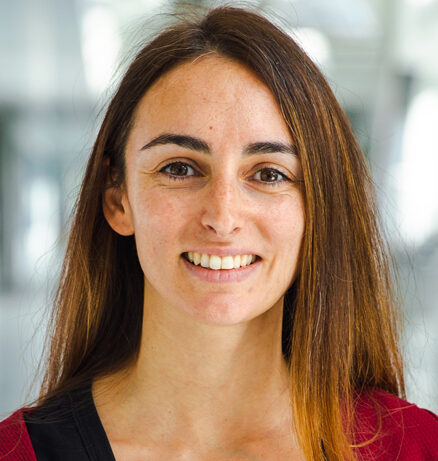
Maria Montero Sistiaga
My name is Maria Montero Sistiaga and since 2020 I have been an R&D Engineer at Royal Netherlands Aerospace Centre (NLR). My background is in materials engineering and I have a doctorate degree in Materials Engineering from the University of Leuven (KU Leuven). At NLR, I focus on bringing AM technologies to a higher level, mainly laser powder bed fusion (LPBF) and directed energy deposition (DED).
3DN: How Did You Discover Additive Manufacturing?
During my bachelor’s degree, in 2011, I had the opportunity to go on Erasmus to KU Leuven (Belgium) for my bachelor thesis. There, I spent a year working with 3DSystems (former Layerwise) and KU Leuven on the process optimization of tantalum and tungsten. This was my very first experience with AM, and since then I haven’t left the AM world. It was very enriching to be part of such a pioneering group on AM, the group of Prof. Kruth and Prof. Van Humbeeck at KU Leuven.
More from the desk
Six other notes from the rest of the bench.
 ApplicationsBugatti presents the Divo with integrated 3D printed partsThe French luxury car manufacturer Bugatti recently revealed its latest race car, dubbed Divo. One of its characteristics is that it is composed of 3D printed parts. This includes its taillights and its grille. It was featured in California at The Quail…
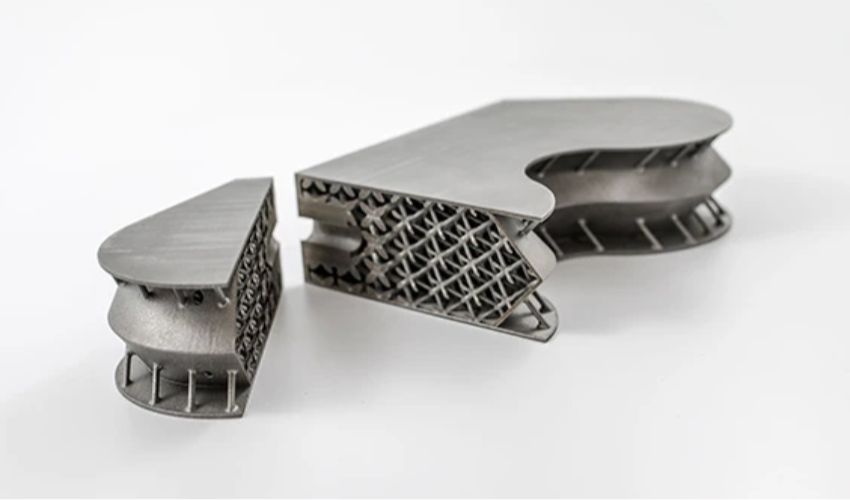 MaterialsEverything You Need to Know about Titanium 3D PrintingCopper, sand, alumide… we have already discussed many materials used in additive manufacturing. Today, we are focusing on titanium. It is a transition metal that is never found in its pure form in nature. To extract it, minerals such as…
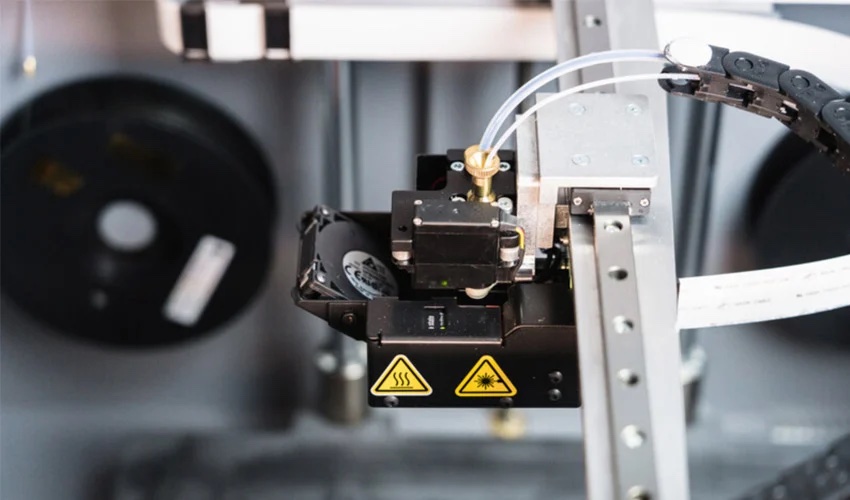 NewsHow Do You Plan the Path of an FDM 3D Printer Head for Continuous Fiber Composites?In a recent study, scientists have developed an algorithm in order to plan the path of the head of an FDM 3D printer that uses continuous fiber composites. The goal is to provide a path that prevents intersection points on…
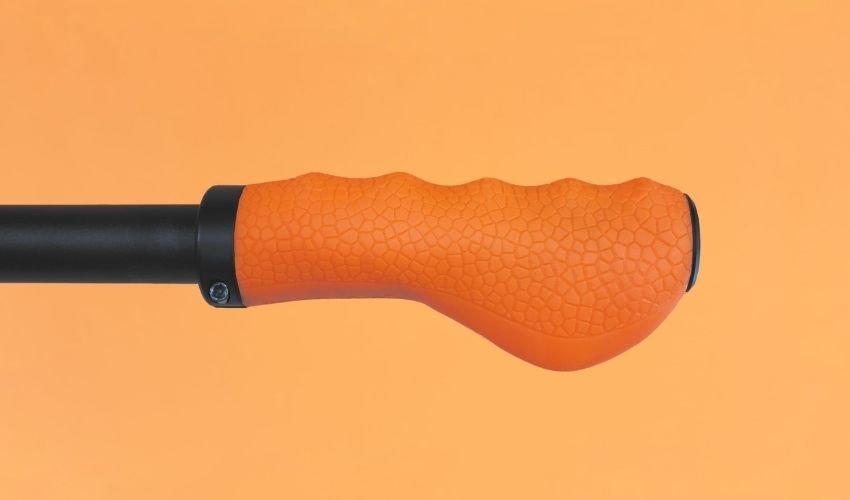 Guides#3DStartup: Personomic Offers Customized Bicycle GripsToday, 3D technologies play an important role in the production process of many industries. This is because 3D scanners and printers make it possible to achieve what would have been unthinkable just a few years ago: mass customization or the…
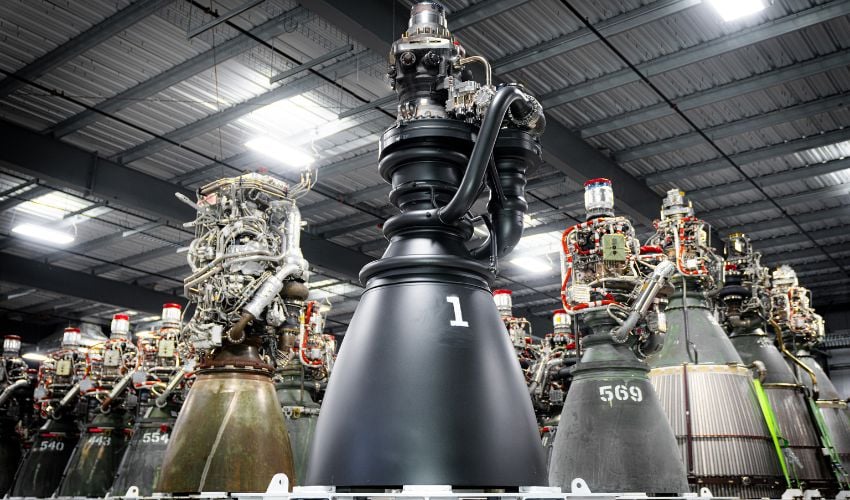 ApplicationsSpaceX Optimizes Raptor 3 Engine With the Help of DfAM and 3D PrintingElon Musk has not only caused a stir in the last week with inflammatory statements on social issues as well as his growing support for Donald Trump’s re-election, but also with a new announcement about the production of the Raptor…
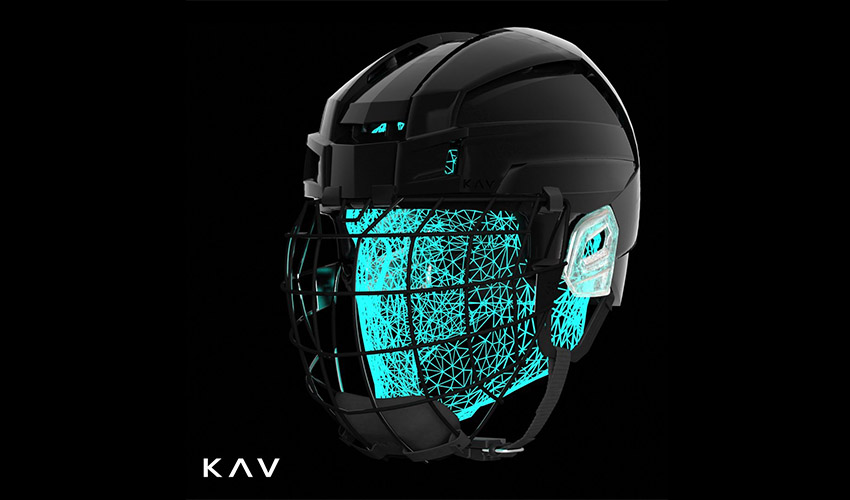 NewsAre 3D printed helmets becoming the norm?In the world of sports, additive manufacturing technologies can offer many benefits to athletes. Sporting equipment can be custom-made, geometrically more complex and made from smarter materials. Over time, manufacturers have understood the benefits of integrating 3D printing pie