Materials
Everything You Need to Know about Titanium 3D Printing
Copper, sand, alumide… we have already discussed many materials used in additive manufacturing. Today, we are focusing on titanium. It is a transition metal that is never found in its pure form in nature. To extract it, minerals such as…
- 3 min read
- Materials
- Six more stories
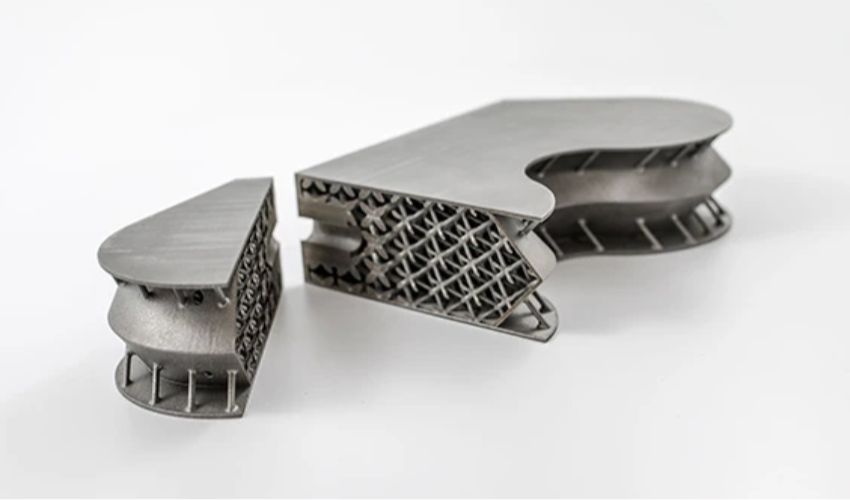
Copper, sand, alumide… we have already discussed many materials used in additive manufacturing. Today, we are focusing on titanium. It is a transition metal that is never found in its pure form in nature. To extract it, minerals such as rutile (TiO2) and ilmenite (FeTiO3) go through complex processing.
This process produces pure titanium, but it remains energy-intensive. The metal produced generally achieves a purity of 99.9%, often alloyed with other metals to create higher-performance alloys. Thanks to its characteristics, the material has become a material of choice for additive manufacturing in fields like medicine, aerospace, and automotive. So, what are its advantages and characteristics? What 3D printing technologies can be used?
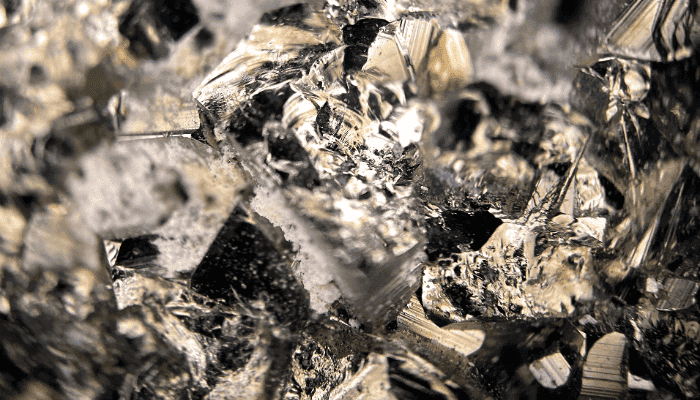
Photo credit: Freepik
What Are the Characteristics of Titanium?
Titanium, symbolized by Ti and with atomic number 22, is a material valued for its practical and versatile characteristics. It is distinguished by its lightness, strength, low toxicity, and high corrosion resistance, making it suitable for many applications. Furthermore, with a strength close to that of steel but a weight reduced by about 40%, it is particularly useful for manufacturing parts that are both lightweight and durable. Titanium is also resistant to salt water, chemicals, and wear, making it an ideal material for extreme environments. In addition to its mechanical properties, it has good thermal qualities, being able to withstand high temperatures of up to 600°C. Conversely, it remains stable even at very cold temperatures.
More from the desk
Six other notes from the rest of the bench.
 ApplicationsNotre Dame Researchers Develop Method for 3D Printing Blood Capillary NetworksResearchers at the University of Notre Dame have successfully 3D printed blood capillary networks using a surprising technique. Before exploring their method, it’s worth understanding why 3D printing blood capillary networks matters in the first place. In the United States&
 NewsTop 5 Videos: A 3D Platform for Creating RobotsThis week we are introducing you to LaserFactory. This manufacturing solution uses a laser beam machine to create robots, drones and other types of electronic devices, completely autonomously. This is an industry 4.0 system that may well in the future…
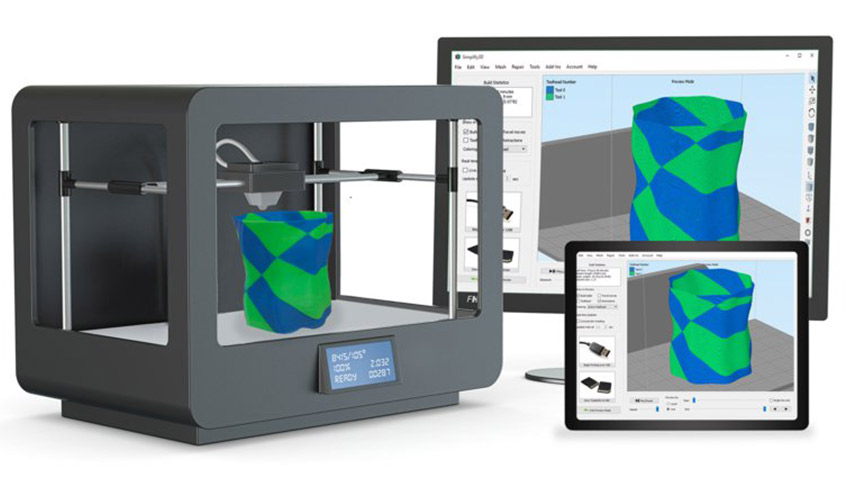 SoftwareSimplify3D, a Slicer for Professionals?Simplify3D is a slicer designed to help you import a model from online platforms, modify it to your liking, and send it to your 3D printer as G-code so that the object can be printed. Although some programs, such as…
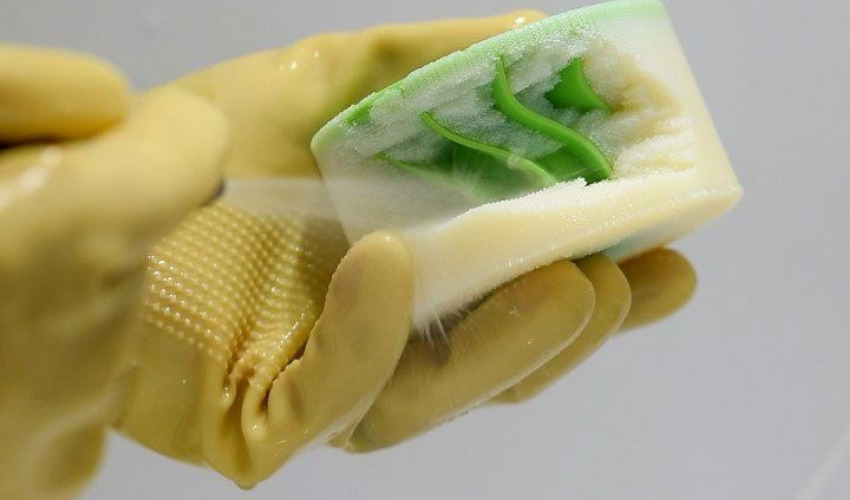 MaterialsArburg Inc. & Oryx Additive Join Forces In Post-Processing PartnershipPost-processing is an essential step in additive manufacturing. While it is the last stage in the manufacturing process, where parts receive their finishing touches such as smoothing and painting, it is also where many projects can bottle-neck and face various…
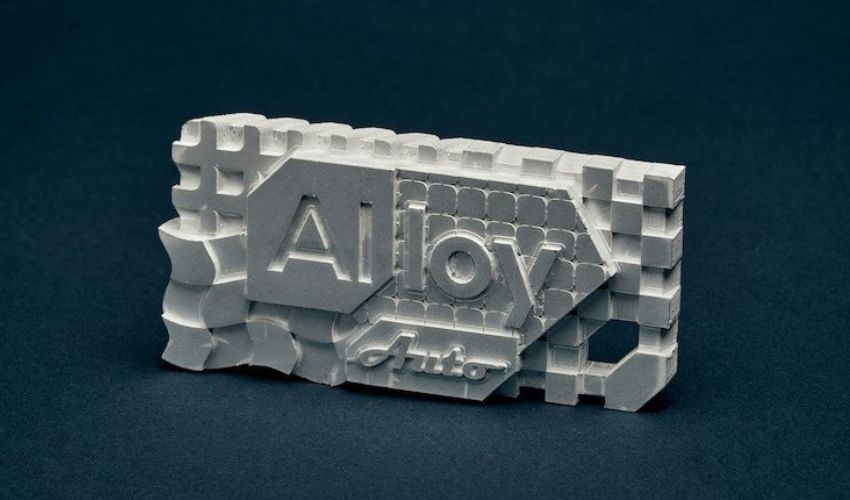 MaterialsAlloy Enterprises Secures $26 Million Funding to Fuel Expansion of 3D Printed Aluminum Parts ProductionAlloy Enterprises, a leading company specializing in additive manufacturing, has recently announced the successful completion of a Series A funding round, raising an impressive $26 million. The funding round was oversubscribed and led by Piva Capital, with participation from Unle
 GuidesThe Most Innovative Solutions at RAPID + TCT 2024It is day two of RAPID + TCT 2024 and one thing is clear, the 400+ exhibitors have come to impress. From hardware to software, materials to post-processing and everything in between, there are a number of incredible solutions, both…