News
How Do You Plan the Path of an FDM 3D Printer Head for Continuous Fiber Composites?
In a recent study, scientists have developed an algorithm in order to plan the path of the head of an FDM 3D printer that uses continuous fiber composites. The goal is to provide a path that prevents intersection points on…
- 3 min read
- News
- Six more stories
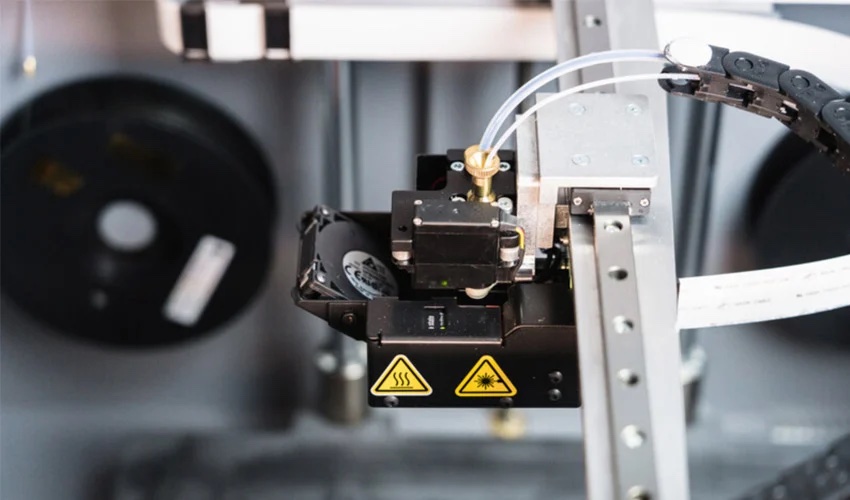
In a recent study, scientists have developed an algorithm in order to plan the path of the head of an FDM 3D printer that uses continuous fiber composites. The goal is to provide a path that prevents intersection points on the same layer as this causes breaks in the fiber bundle contained in the matrix. With this new algorithm, a user could better control composite prints and obtain even more resistant and durable parts. The team at the origin of this project relied on an Eulerian graph and Hierholzer’s algorithm to generate this printing path by integrating different constraints that can be adapted.
Composite materials are popular with additive manufacturing users today because they offer a superior weight to strength ratio, often compared even to metals, without sacrificing geometric complexity. The market has grown rapidly with more manufacturers offering continuous fiber 3D printing solutions. As a reminder, continuous fibers are deposited at the same time as the matrix, hence the need for a specific 3D printer. The short fibers are mixed with the base polymer, which is then extruded by the machine. As you can imagine, each process will have different results but also its own constraints. In continuous fiber 3D printing, the deposition of the fibers creates a greater complexity in terms of both nozzle trajectory and slicing. If too much material is deposited on the same layer, especially at the intersection points, it can break the fiber bundle. Therefore, areas where fibers can intersect should be limited.
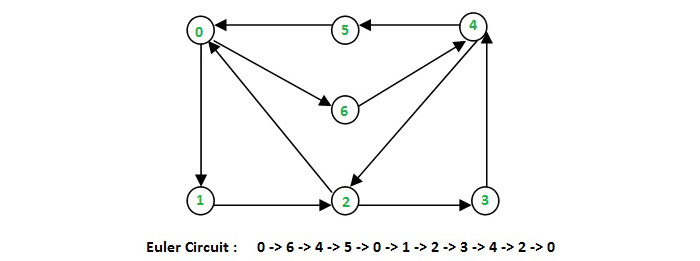
The team relied on a Eurelian path as shown above
And this is the point wherein the scientists focused their research. The idea is to generate a single-stroke path, therefore one that is continuous, which would not cut the filament for each layer and therefore create these points of intersection. This printing model gave rise to an Eulerian graph, or a path in a graph that visits ever edge exactly once. Based on Hierholzer’s algorithm, the team was able to determine an optimal printing path for the FDM 3D printer head. Each step in the algorithm corresponds to a single-stroke path. They then printed 3 structures and observed the results with an X-ray scanner, the ScanXmate-L080TT.
More from the desk
Six other notes from the rest of the bench.
 ApplicationsApplication of the Month: A New 3D Printing Material to Create Bone GraftsAs research into 3D printing materials progresses, more and more innovative projects are emerging in a multitude of sectors. This time, we want to highlight a medical application linked to additive manufacturing that was carried out by researchers at the…
 News3D Printing Job Market Trends in 2021The growing adoption of additive manufacturing is accompanied by more frequent and increased recruitment policies, as companies seek to strengthen their teams to go even further. But finding the right fit is not always easy, especially in a market that…
 ApplicationsInfographic: 3D Printing in the Defense SectorAdditive manufacturing has a wide range of applications, covering sectors such as fashion, aeronautics, construction and the food industry. One fast-growing field that is increasingly adopting 3D printing is defense. In several countries, government institutions are launching lar
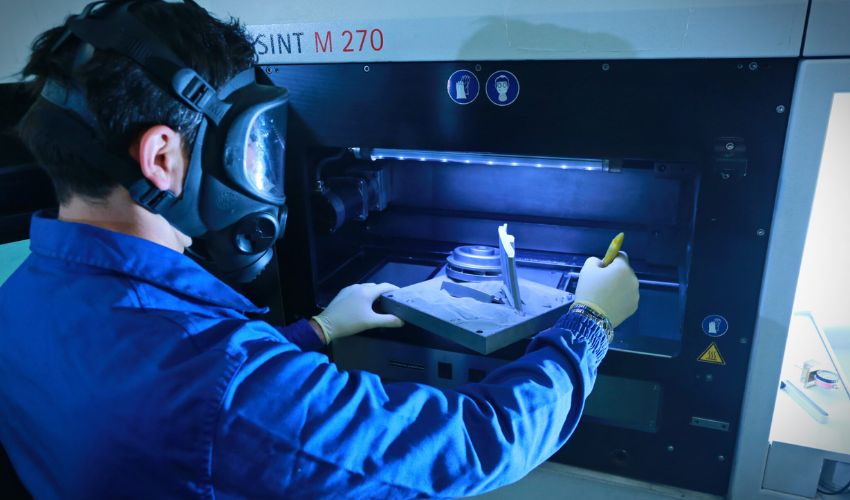 PrintersSafety in 3D Printing: What Protective Measures Need to Be Taken?More and more companies are currently becoming aware of the enormous benefits of additive manufacturing and want to integrate 3D printing into their workflows in the future. Time and cost savings as well as increased design freedom in everything from…
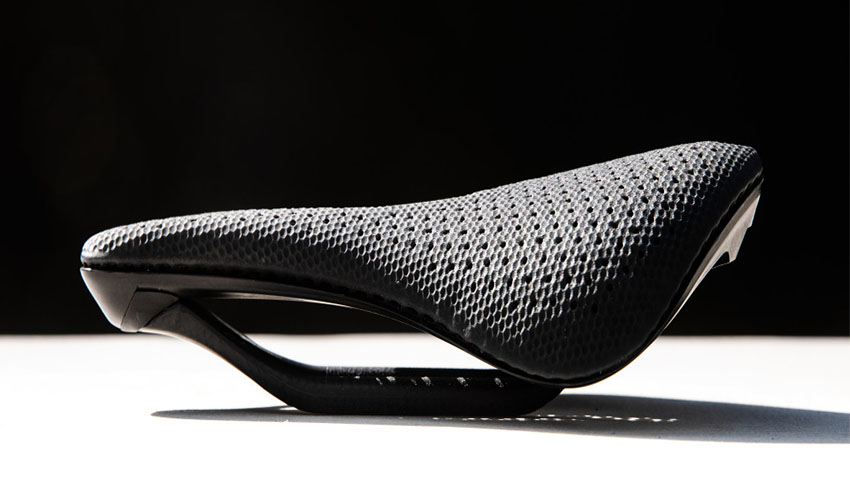 ApplicationsCarbon’s new partnership with Specialized to create 3D printed bike seatThe American bike manufacturer Specialized and the 3D printing company Carbon have announced a partnership to create a 3D printed bike seat : the S-Works Power saddle. This bike seat should not only provide comfort, but also maximise performance and…
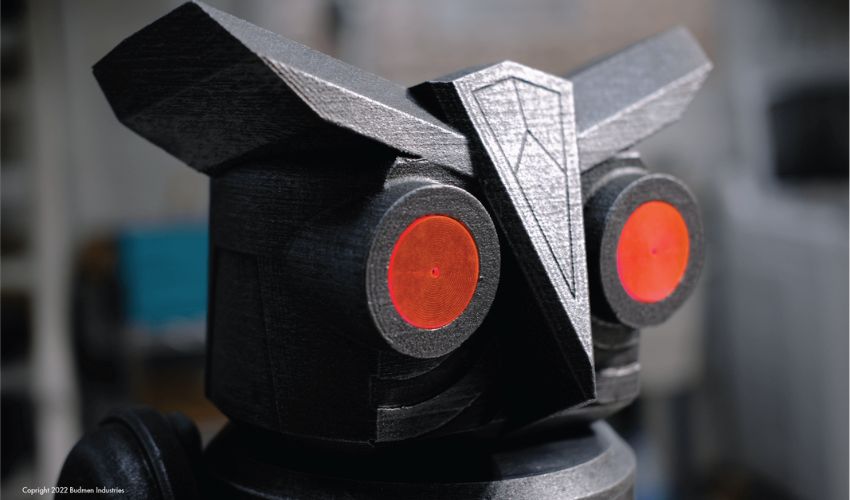 NewsRobotic Owl Created With 3D Printing For Hulu FilmThe movie industry is known for creative experimentation and risk-taking, whether costumes, characters, or props. Every studio and team is looking to craft a unique and memorable product, no matter how. In a recent exploit and most current example of…