News
Using Coffee to Provide Sustainable 3D Printing Materials
As additive manufacturing has opened up new creative avenues, there are those who take an interest in setting an early precedent by producing environmentally friendly materials to lead the charge in sustainability. Creating such recycled filament and green materials is…
- 3 min read
- News
- Six more stories
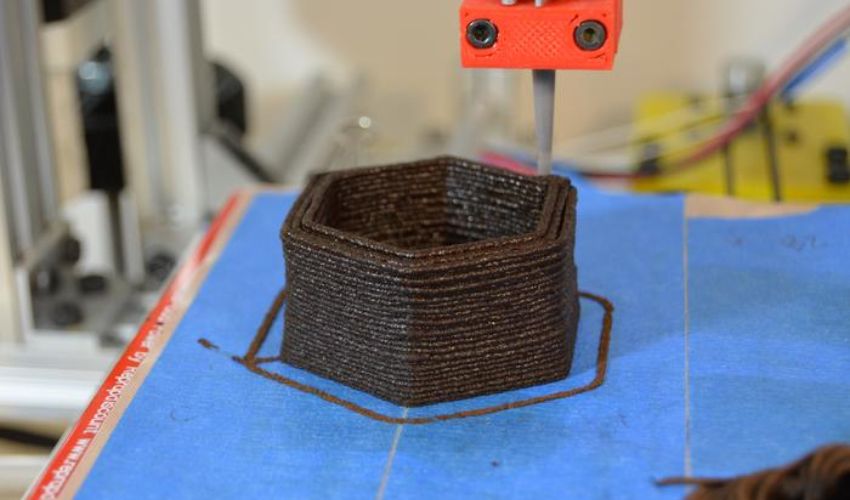
As additive manufacturing has opened up new creative avenues, there are those who take an interest in setting an early precedent by producing environmentally friendly materials to lead the charge in sustainability. Creating such recycled filament and green materials is the goal of Michael Rivera, assistant professor at the ATLAS Institute at the University of Colorado Boulder, who has recycling coffee grounds into a 3D printable material that is reusable, biodegradable, and easy to make. The goal of his group’s research is to find sustainable production solutions that can decrease energy consumption, plastic use and the amount of waste produced in the industry, particularly as 3D printing continues to exponentially grow in popularity and demand.
Plastics that are currently used in consumer 3D printing often become waste. The famously biodegradable PLA can only be done so in specialized industrial composting facilities while ABS is recyclable, but not biodegradable. This means that unfortunately many plastics can end up in landfills alongside coffee grounds and other waste products. However, the time it takes to decompose plastics is measured in the thousands of years, not tens.
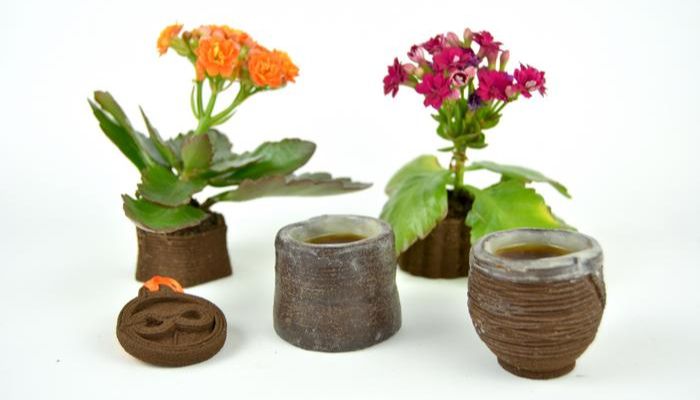
The team was able to test out a variety of objects made with 3D printed coffee grounds. Some contain added benefits such as the planters which provide more nutrients to the plants inside.
Rivera realized that he could reduce plastic waste and create a viable, eco-friendly alternative at the same time by using one of the most popular beverages in the world – coffee. The inspiration for 3D printed coffee creations came out of the COVID-19 pandemic, when coffee grounds donated by a local coffee shop for composting stopped being collected and started getting thrown away. “I looked at the grounds and said, ‘Maybe I can do something with them,” explains Rivera.
More from the desk
Six other notes from the rest of the bench.
 MaterialsFABULOUS Sets Course for the USA with Certified, Food-Safe 3D-Printing MaterialsIt is no secret that 3D printing is becoming more and more popular and is expanding its field of application to diverse areas. Already established in the verticals of aerospace, the automotive sector and the medical field, additive manufacturing is…
 ApplicationsMaking a facial prosthesis on photogrammetry softwareDenise Vicentin, 53 was diagnosed with a facial tumor 30 years ago. After having it removed twice, it came back 20 years later in a malignant form. Luckily, she was able to benefit from research conducted by scientists at Paulista…
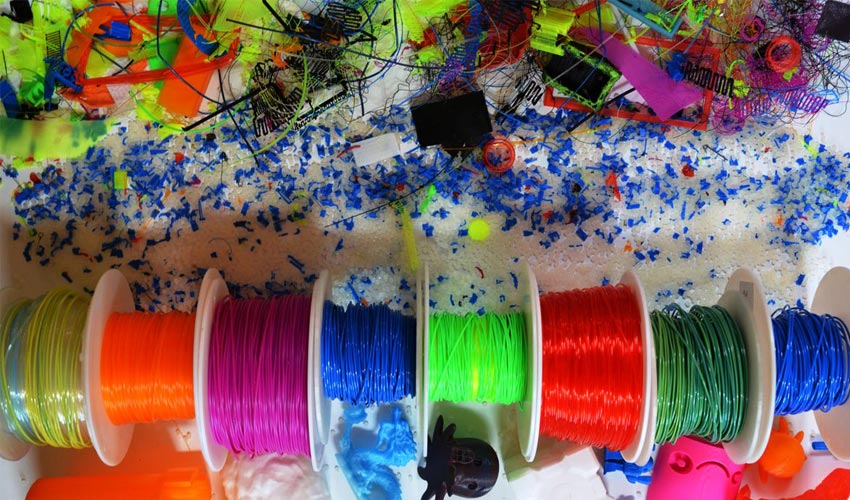 MaterialsProject PLA sets out to recycle your 3D printing plastic wasteProject PLA is an initiative launched by William Sloth, a New York high school student – the aim of this initiative is to recycle all PLA plastic waste generated from 3D printing. The concept is simple, the startup sends boxes…
 Applications3D Systems and United Therapeutics Unveil 3D Printed Lung ScaffoldIn a collaboration between United Therapeutics and 3D Systems, researchers have succeeded in developing a complex 3D-printed human lung scaffold. The lung scaffold was unveiled at the LIFE ITSELF conference in San Diego and is considered to be the most…
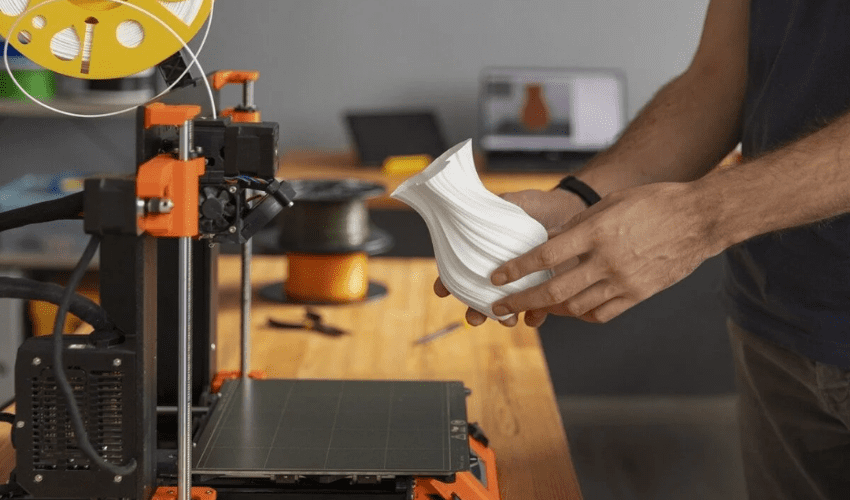 PrintersMIT Researchers Unveil 3D Printer That Can Identify Unknown MaterialsIn response to the relentless quest for environmentally-friendly production processes, several research initiatives have sought to improve existing 3D printing materials or develop new ones, but printing these can still be a challenge. To resolve this obstacle, researchers from M
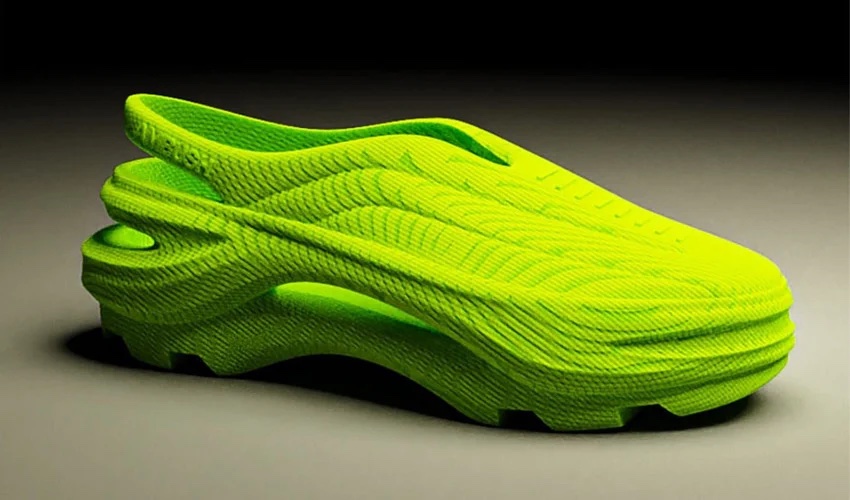 NewsAMBUSH 3D Prints a Shoe That is Wearable in the MetaverseShoe brand AMBUSH is launching a new project that is quite unique in the fashion world: Aapair of 3D printed shoes that can be worn both in the metaverse and in everyday life. The shoes which are called 100S were…