Applications
USAF Installs 3D Printed Drag Reducers on C-17, Helping to Save Over $14M Annually
Drag reduction is a priority for airplanes as it helps to reduce fuel consumption, increase operational range and increase the speed of the craft. Now it seems that additive manufacturing could play a role. The Air Force Operational Energy and…
- 3 min read
- Applications
- Six more stories
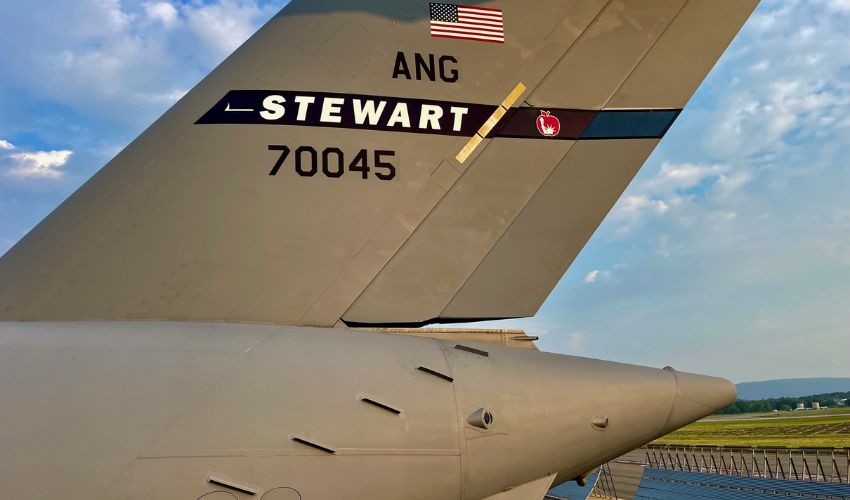
Drag reduction is a priority for airplanes as it helps to reduce fuel consumption, increase operational range and increase the speed of the craft. Now it seems that additive manufacturing could play a role. The Air Force Operational Energy and Air Mobility Command of the United States Air Force (USAF) are entering the final phase of evaluation for the use of 3D printed microvane drag reduction technology on the C-17 Globemaster III.
The C-17 Globemaster III is a cargo aircraft that entered into USAF use in 1995. Although the last C-17 was made in 2015, these aircraft continue to be important for the Air Force. However, the USAF continues to work to optimize the C-17 fleet, which are critical for troop transportation. This is where the microvanes come in.

A C-17 Globemaster III with micorvanes successfully installed waiting on the flight line at Steward Air National Guard Base
3D Printed Microvanes to Reduce Drag
So what are they? The 3D printed devices measure about 4 x 16 inches and resemble a thin blade. About a dozen are then attached to the rear of the C-17’s exterior using a strong adhesive bonding. The project has been under works for some time, in a collaboration between the Air Force Research Laboratory, private industry and the Air Force Lifecycle Management Center.
More from the desk
Six other notes from the rest of the bench.
 PrintersCurious about 3D printing in color? then let us explain!These are always questions that may arise as you begin taking an interest in 3D printing, and one of these areas where we see many questions asked is when it comes to 3D printing in color. Most people, when 3D…
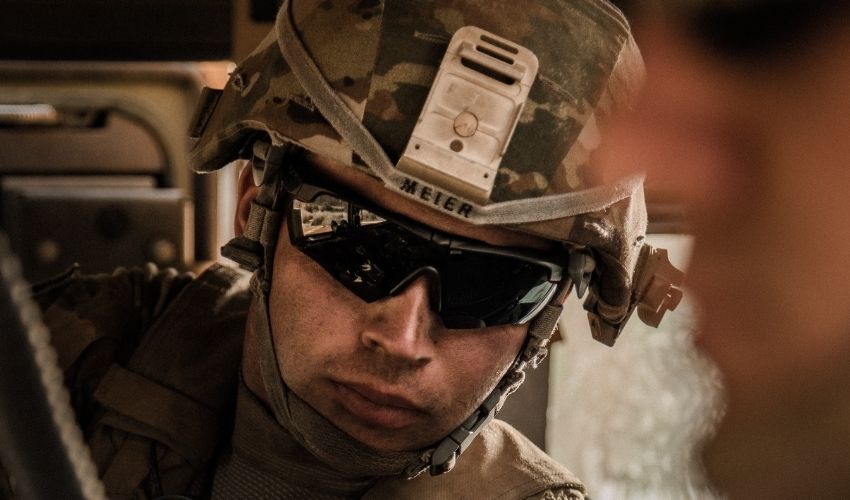 MaterialsGeneral Lattice Awarded Contract to Improve Combat Helmet Impact Absorption for United States ArmyCombat helmets are one of the oldest pieces of battle armor, however, this vital piece of personal equipment is long overdue for re-design and improvement. The United States military has been harnessing the power of additive manufacturing to innovate and…
 Guides#3DStartup: Andiamo on their 3D Printing & AI Platform for OrthosesOrthoses are medical devices that are made to stabilise, relieve, immobilise, guide or correct a part of the body. Since each patient is different, an efficient orthotic device should be perfectly adapted to the wearer’s body and needs, which in…
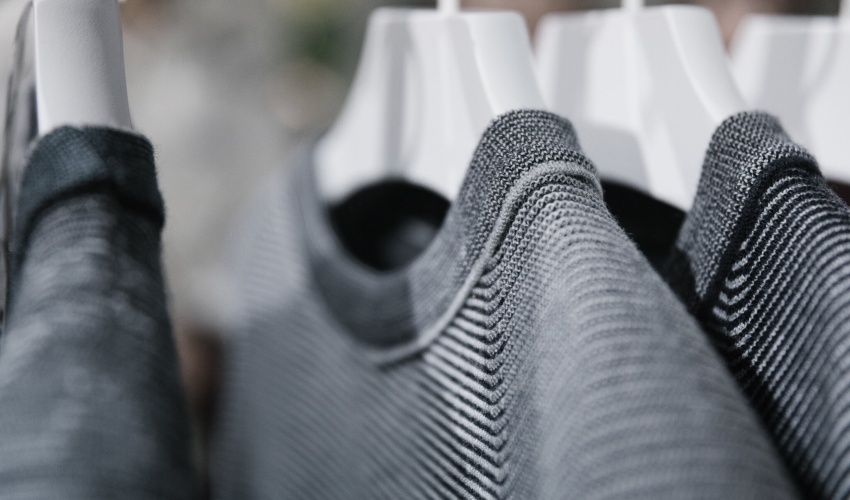 News3D Knitwear: How 3D Printing Is Revolutionizing the Fashion IndustryIn recent years, 3D printing has become growingly everpresent. From medicine, aerospace, to design, and construction — every day there’s news about breakthroughs, innovations, and developments in the additive manufacturing industry. However, in one particular industry, it&#
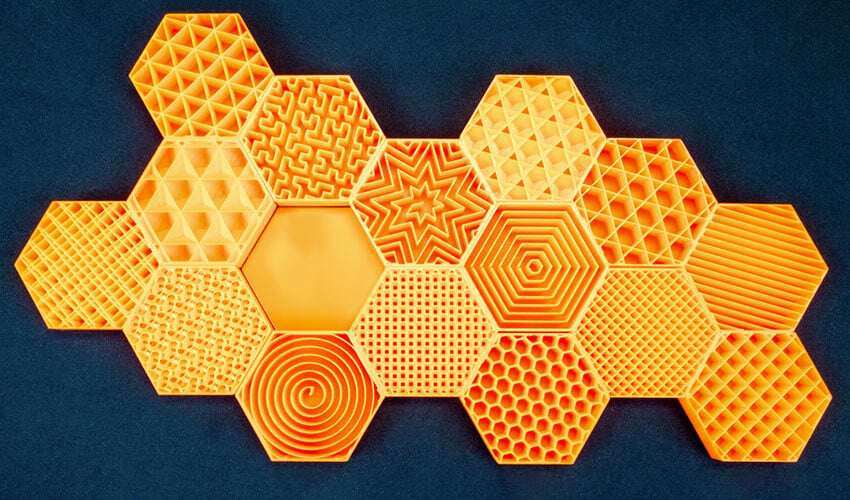 NewsThe Infill Puzzle: Cracking the Code for Perfectly Balanced 3D PrintsInfill serves a vital purpose in 3D printing, offering precise control over the interior structure of printed parts. Unlike traditional manufacturing methods like injection molding or subtractive manufacturing, 3D printing allows for the creation of intricate infill patterns and
  ApplicationsMINI Partners With Designer Paul Smith to Create the More Sustainable MINI StripFor some time now, the British car manufacturer MINI has been trying to become more eco-responsible. And in order to put its money where its mouth is, MINI has teamed up with British fashion designer Paul Smith to develop a…