Guides
#3DStartup: Andiamo on their 3D Printing & AI Platform for Orthoses
Orthoses are medical devices that are made to stabilise, relieve, immobilise, guide or correct a part of the body. Since each patient is different, an efficient orthotic device should be perfectly adapted to the wearer’s body and needs, which in…
- 3 min read
- Guides
- Six more stories
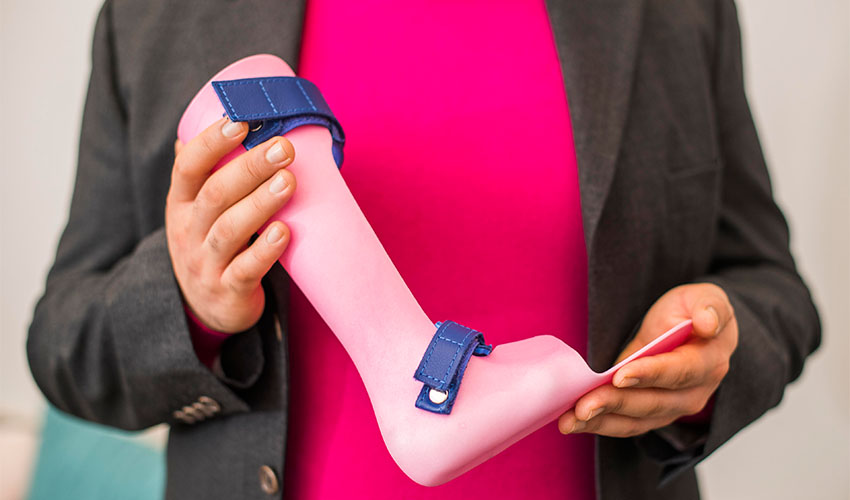
Orthoses are medical devices that are made to stabilise, relieve, immobilise, guide or correct a part of the body. Since each patient is different, an efficient orthotic device should be perfectly adapted to the wearer’s body and needs, which in practice is rarely the case. The startup Andiamo, based in London, empowers clinics and clinicians to offer tailor-made orthoses to their patients thanks to their 3D printing & AI platform. The biggest benefits additive manufacturing brings to this field are accuracy, time and cost. For example, delivering a perfectly tailored 3D printed brace can be achieved within 48 hours instead of the typical three months when relying on traditional manufacturing techniques. In order to learn more about Andiamo’s platform and the changes it seeks to bring to the orthotics industry, we spoke to Chief Commercial Officer, Hugh Sheridan!
3DN: Could you present yourself and your link with 3D printing?

Hugh Sheridan
I am Chief Commercial Officer of Andiamo and have been involved in the Orthotics Industry for over 20 years having been the CEO of the UK’s largest Orthotic Material Manufacturer and Podiatry Supplier. My first project in 3D printing was when we started printing test foot orthotics on an FDM 3D printer using TPU filament as a lattice. The material was brilliant and allowed a whole new range of prescription variables to be met although the 3D printer at that time was slow and unreliable.
3DN: How did the idea of creating Andiamo come about?
The founders of Andiamo are Naveed and Sam, their journey started when their son, Diamo, was born in 2003. Diamo was diagnosed to have severe developmental delay, he was quadriplegic and had very little head control which meant he needed extensive treatment to help him with basic functions. He needed to have a multitude of orthotics braces and gators to help me perform simple actions. Getting his orthotics right was very challenging. The process as a whole was very long and frustrating. Very often, the braces would come a few months after the measurements were taken, by that time Diamo had outgrown them.
More from the desk
Six other notes from the rest of the bench.
 NewsTop 5 Videos: Testing RAYSHAPE’s Edge E1 Resin 3D PrinterGet ready for the top 5 videos of the week that will take you on an exhilarating journey through the world of 3D printing! First up, we have bring a review on RAYSHAPE’s Edge E1 resin 3D printer which shares…
 Software3D Warehouse, SketchUp’s Large Online Platform for 3D ModelsAnyone eager to start their own 3D printing project knows that it always begins with step one: choosing or developing a 3D model. However, many 3D printing enthusiasts underestimate the gravity of the entire work process that comes before the…
 NewsBentley is Expanding its 3D Printing CapabilitiesUK-based Bentley Motors Limited, a manufacturer of luxury cars and SUVs and a subsidiary of the Volkswagen Group since 1998, has announced a £3 million investment in its 3D printing facility, based in Crewe, England. The ultimate goal of the…
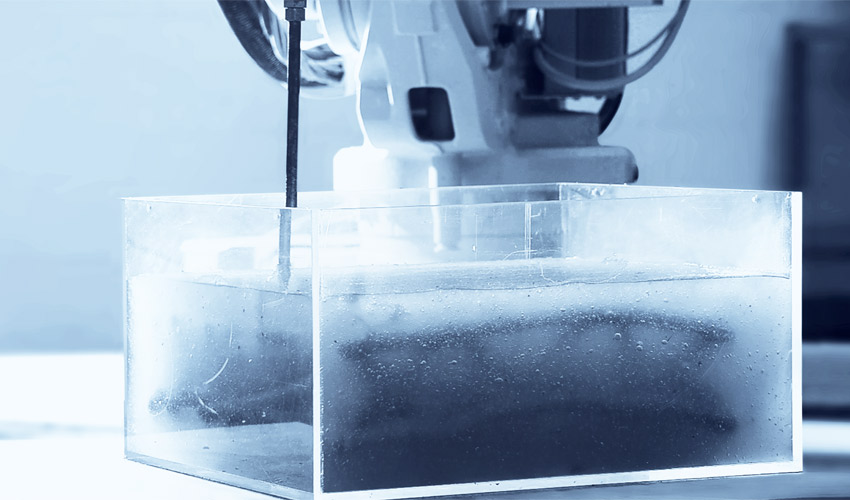 GuidesSoliquid is the startup doing large-scale 3D printing in suspensionSoliquid is a French startup that has developed a unique 3D printing technology. Instead of depositing the material layer by layer on a tray, it extrudes it into a durable and reusable gel matrix using a 6-axis robot. The young…
 ApplicationsThe Royal Dutch Navy Uses Nanoe’s 3D Printing SolutionsThere are already a number of examples where naval stations at sea have integrated additive manufacturing. The U.S. Navy, for example, is using 3D printing technology from manufacturer ICON in order to be able to react quickly in the event…
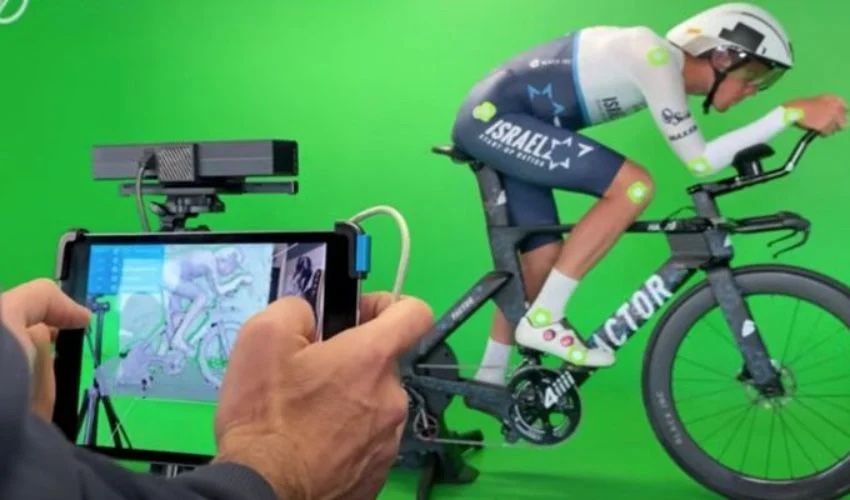 NewsA 3D Printed Bike That Takes a Cyclist’s Body Into Account Could Be at the 2024 Olympic Games3D-printed bicycles are becoming increasingly common, including those competing in the 2024 Olympic Games. And now we have yet another exciting example. The X23 Swanigami is a track bike developed by T°Red Bikes, Toot Racing, Bianca Advanced Innovations, Compmech and…