News
The Infill Puzzle: Cracking the Code for Perfectly Balanced 3D Prints
Infill serves a vital purpose in 3D printing, offering precise control over the interior structure of printed parts. Unlike traditional manufacturing methods like injection molding or subtractive manufacturing, 3D printing allows for the creation of intricate infill patterns and
- 3 min read
- News
- Six more stories
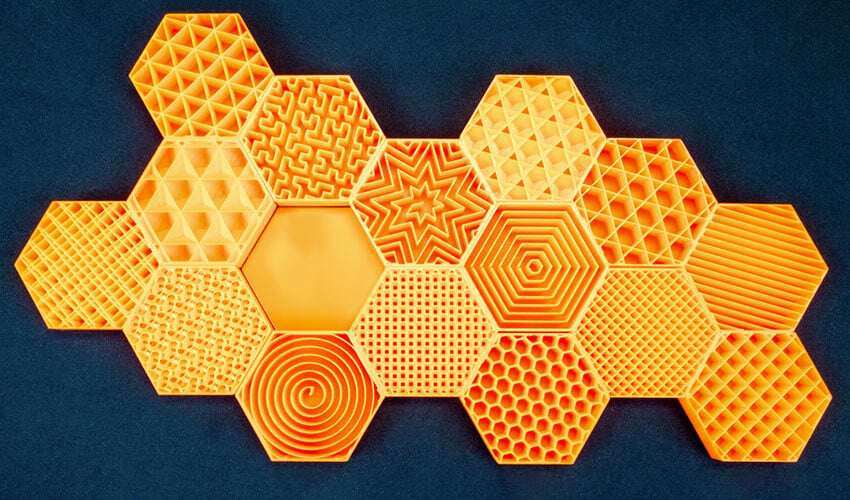
Infill serves a vital purpose in 3D printing, offering precise control over the interior structure of printed parts. Unlike traditional manufacturing methods like injection molding or subtractive manufacturing, 3D printing allows for the creation of intricate infill patterns and adjustable infill density. Infill refers to the internal structure of a 3D printed part, providing support, strength, and rigidity while influencing the part’s weight and physical properties. The generation of infill is accomplished using a slicer program, which translates a 3D model into instructions for the 3D printer.
With the understanding of the significance of infill in 3D printing, it’s important to recognize that learning infill poses several challenges for beginners. These challenges involve comprehending various patterns, selecting appropriate density, managing overhangs, minimizing imperfections, optimizing print settings, and gaining practical experience. By delving into these intricacies, we can develop the necessary skills to overcome these challenges and achieve optimal results with infill. Through this article, we aim to provide you with essential foundational information that will help you navigate the intricacies of infill and empower you to create successful 3D prints.
Infill Density – What is it?
Infill density refers to the “fullness” of the interior of a printed part and is typically specified as a percentage ranging from 0% to 100%. A lower density creates a more hollow part, reducing weight and material consumption but potentially sacrificing strength. On the other hand, a higher density results in a solid interior, increasing the weight and strength of the part. The choice of infill density depends on the specific requirements of the print. For standard prints that don’t require exceptional strength, a density of 15-50% is recommended. This range balances print time, material consumption, and strength. For functional prints that require extra strength, a higher infill density of more than 50% is advisable, with 100% being the maximum. However, higher densities increase print time and material usage.
More from the desk
Six other notes from the rest of the bench.
 NewsThe Airlements Project Promises Lightweight and Insulated 3D Printed Walls3D printing is revolutionizing the architecture and construction industry in various ways, offering unique designs, lighter materials, and the ability to create structures that were previously considered impossible using traditional methods. Today, we would like to introduce you
  MaterialsHPP vs. Metals: Which Material Should You Use for 3D Printing?When it comes to 3D printing, materials are key. The properties and characteristics of each material family (whether metals, plastics or ceramics) will significantly impact the resulting part. And knowing which material would be best suited is a critical step…
 News3D Systems to Return to the Extrusion Market Thanks to Two New AcquisitionsOnly two months into the year and the additive manufacturing industry continues to show its vitality and growth. Already, we have seen launches and more from leading companies in the sector and we now have a new one to add…
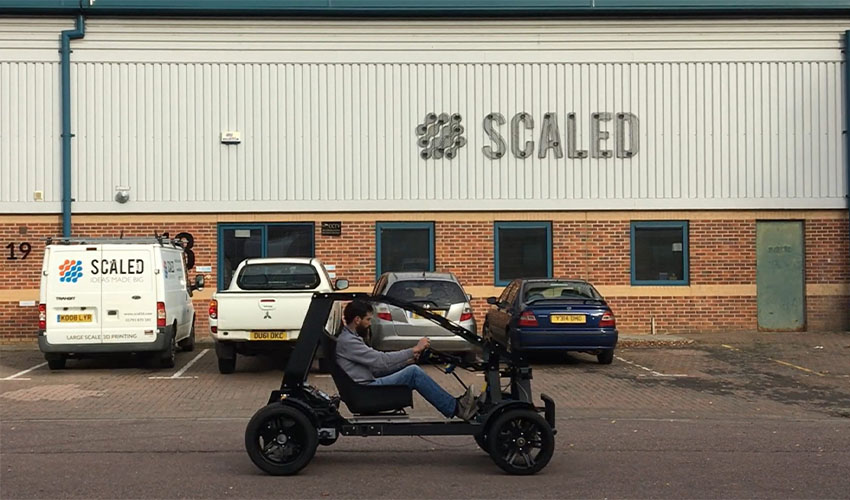 ApplicationsMass customization of a 3D printed electric vehicleIn the automotive industry, additive manufacturing has historically been used to create functional prototypes. Over the years, the automotive sector started leveraging the benefits of 3D printing technologies for end-use part applications too, to produce complex parts, or to allo
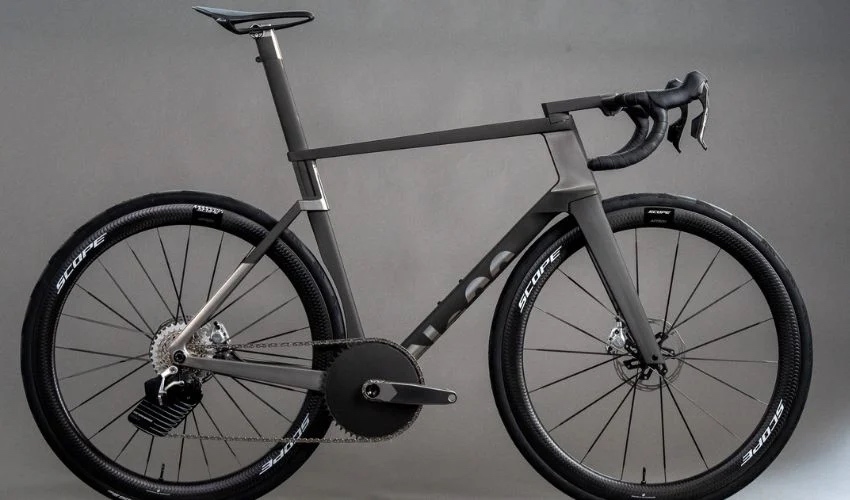 ApplicationsNo. 22 Launches Reactor Aero: The World’s First 3D-Printed Titanium Aero BikeInnovation is paramount in the world of cycling, and New York-based company No. 22 is setting new standards with the Reactor Aero, the world’s first 3D-printed titanium aero bike. The model combines state-of-the-art technology with exceptional design and promises an…
 ApplicationsAerospace at RAPID + TCT 2025: Sintavia in the SpotlightOne of the things that we have noticed at RAPID + TCT this year, is undoubtedly the clear focus on applications. From conference sessions to exhibitor booth, we are seeing more concrete examples of how 3D printing can be used,…