Applications
US Navy Uses SPEE3D Technologies for Its MaintenX Exercise
SPEE3D, an Australian metal 3D printing company, recently announced that it was chosen by the US Navy to play an important role in their MaintenX exercise which aims to give a better understanding of the operational challenges faced by soldiers…
- 3 min read
- Applications
- Six more stories

SPEE3D, an Australian metal 3D printing company, recently announced that it was chosen by the US Navy to play an important role in their MaintenX exercise which aims to give a better understanding of the operational challenges faced by soldiers as well as to provide them with an understanding of developing technologies. Namely, SPEE3D will be working on manufacturing deployable metal 3D printing technology for use at both port and sea. Ultimately, this partnership will show the vast benefits of 3D printing in the defense sector, a fact with both the US Armed Forces and SPEE3D are already well acquainted.
By selecting SPEE3D’s metal cold spray 3D printing process, the US Navy chose a procedure that SPEE3D claims is 100 to 1000 times faster than traditional 3D metal printing. The company considers the technology to be the most affordable metal additive manufacturing process to produce industrial quality metal parts in minutes, from anywhere, a fact that they already used in previous projects such as creating spare parts for use in the field with the Australian Army. The company, which is based in Melbourne, Victoria is known as one of the leading supplier of the world’s fastest metal 3D printers.
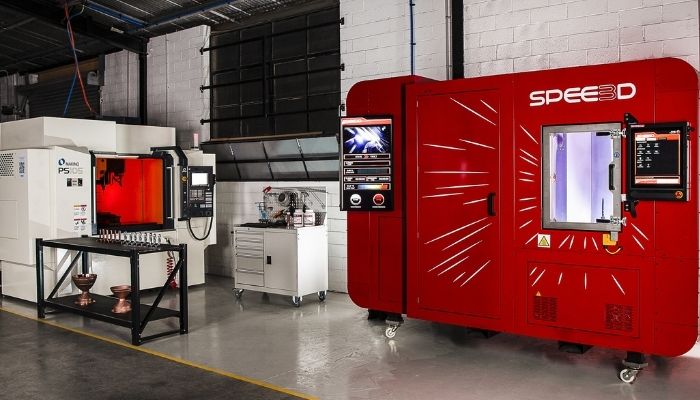
Photo Credits: SPEE3D
In this instance, SPEE3D is working on The Maintenance Technology Engagement Exercise (MAINTENX), a special event sponsored by NAVSEA 05T, and which will take place between August 22nd – September 2nd, 2022 at Naval Base Ventura County in Port Hueneme, California. It will consist of a series of technical demonstrations, field experiments, and exercises that give an opportunity to assess technology-based solutions that solve fleet expeditionary maintenance as well as battle-related support requirements. It is part of a wider trend in the armed forces wherein they are turning to additive manufacturing to develop solutions to problems of supply chains and other considerations when out on the battlefield especially those in the United States.
More from the desk
Six other notes from the rest of the bench.
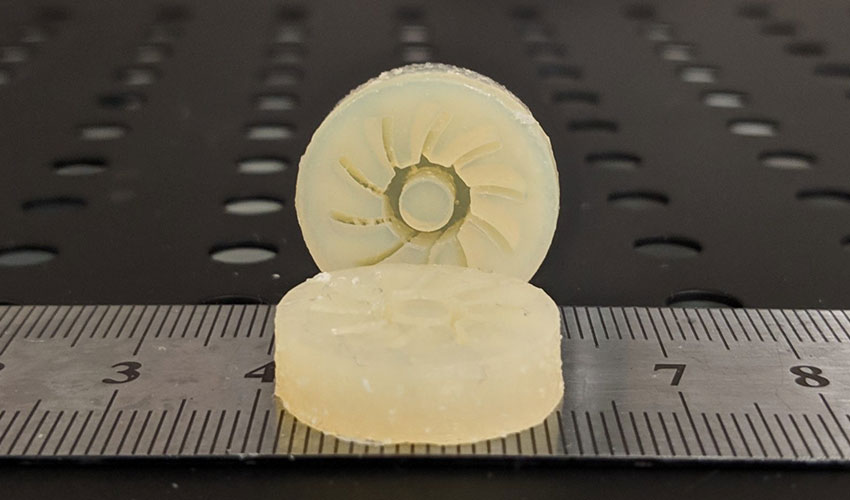 MaterialsResearchers develop a new method of 3D printing with latexWidely used in different industries, latex is the most flexible material known so far. It has a natural origin and is composed of long polymer chains rolled into water-dispersed nanoparticles. Although, in general, latex is very well known, little has…
 GuidesHow can additive manufacturing respond in times of crisis? Experts give their advice!The COVID-19 pandemic has shaken the global economy and the way we work, forcing us to rethink our current value chains, trade, production, and communication. The additive manufacturing sector is no exception, however it’s true that the market adapted very…
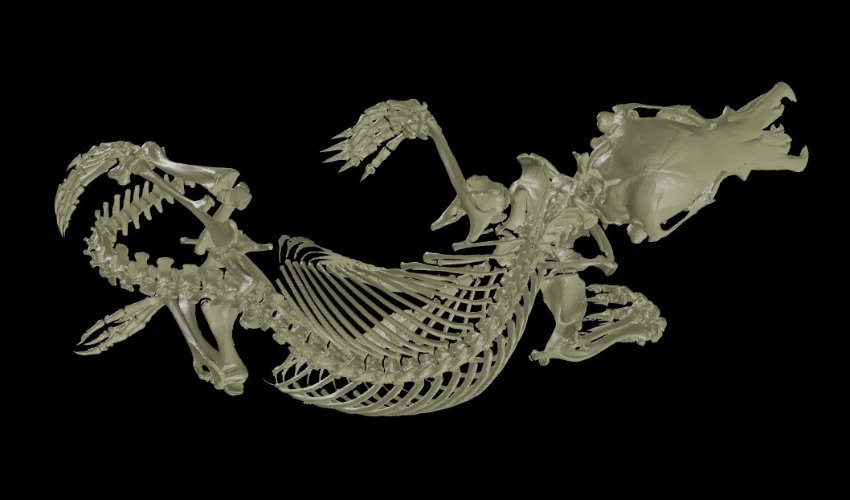 PrintersUC Berkeley Paves Way for Digitizing Vertebrate Collections With oVert ProjectMuseums worldwide are embracing innovative technologies to revolutionize access to their extensive artifact collections. Among these advancements, 3D scanning and printing have emerged as powerfully useful tools, offering unprecedented opportunities for researchers, educators, an
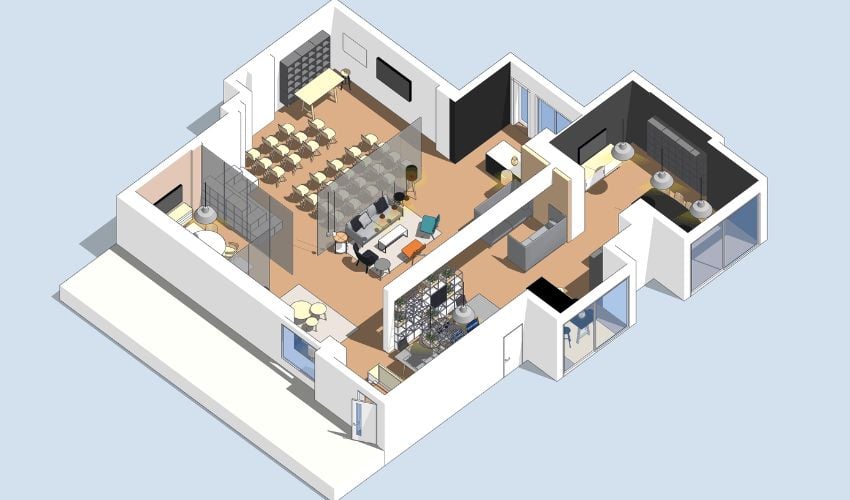 SoftwareSketchUp: All You Need to Know Before Getting StartedIn the 3D printing industry, many 3D modeling software options enable you to design your 3D printed projects. Some software solutions are widely recognized on the market today, although they are not entirely dedicated to additive manufacturing, even though they…
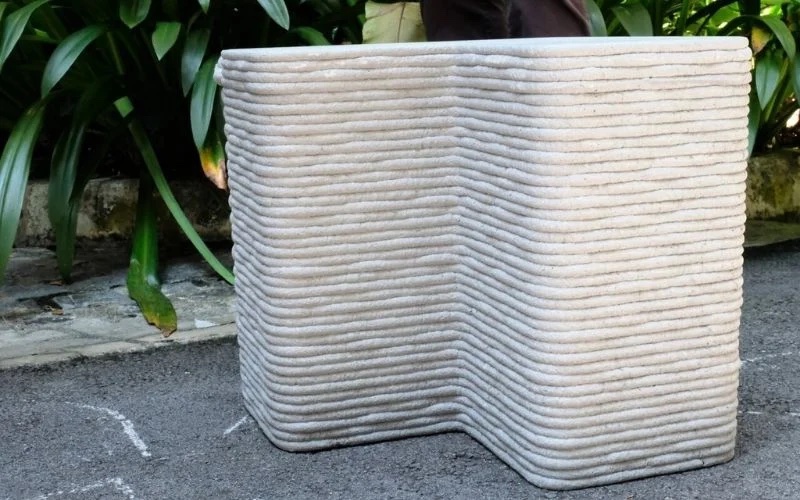 NewsNTU Singapore Researchers Are Using Recycled Glass for Sand 3D PrintingFaced with global warming, finding solutions to design environmentally friendly parts is now a problem at the core of many industries. This is why many scientists are working on this subject. Recently, researchers at Nanyang Technological University in Singapore (NTU…
 ApplicationsNew FDA-Approved Oral Stent From Kallisio Could Change the Way We Treat CancerIncreasing research has been done in recent years on the ways that 3D printing can be used in the battle against cancer. Though much of this has understandably focused on things like bioprinting, including for the creation of prostheses and…