Printers
UC Berkeley Paves Way for Digitizing Vertebrate Collections With oVert Project
Museums worldwide are embracing innovative technologies to revolutionize access to their extensive artifact collections. Among these advancements, 3D scanning and printing have emerged as powerfully useful tools, offering unprecedented opportunities for researchers, educators, an
- 3 min read
- Printers
- Six more stories
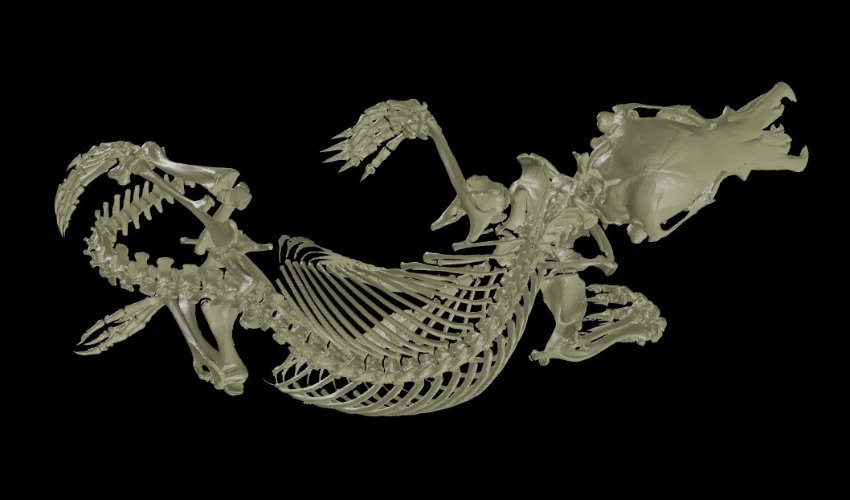
Museums worldwide are embracing innovative technologies to revolutionize access to their extensive artifact collections. Among these advancements, 3D scanning and printing have emerged as powerfully useful tools, offering unprecedented opportunities for researchers, educators, and enthusiasts to engage with historical specimens in immersive ways.
At the forefront of this technological revolution is the University of California, Berkeley’s Museum of Vertebrate Zoology (MVZ), which currently houses more than 300,000 carefully preserved reptiles and amphibian vertebrate specimens. In partnership with over 25 museums across the United States, Berkeley is driving the openVertebrate project (also called oVert), aiming to digitize collections through 3D scanning. This initiative seeks to confront the pressing need to preserve fragile specimens while still expanding accessibility to researchers and the general public.
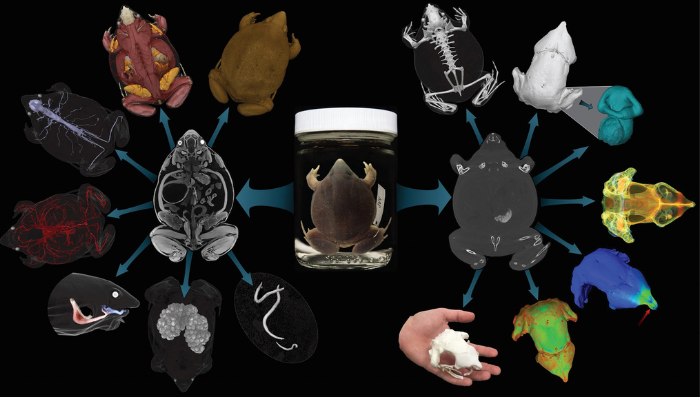
MVZ 3D scans of amphibian vertebrate, muscle tissue, skeleton, and more achieved through CT scans and X-rays.
This integration of 3D scanning has significantly propelled oVert, allowing the project to thrive through its quick and extensive digitization of collections nationwide. Scientists have leveraged the high-resolution scans to conduct detailed anatomical studies, providing crucial evolutionary and ecological data on scanned specimens. This has also proved especially useful in research, as museums need to carefully consider why they collect animals from the wild, and must ensure that the specimens they gather are valuable for both current and future research. With 3D scanning, a new avenue has emerged to study and access these specimens, with zero risk of degradation.
More from the desk
Six other notes from the rest of the bench.
 NewsUSA Is Leading the Charge in Additive Manufacturing InnovationThe European Patent Office (EPO) has just published a new report on the 3D printing market, showing among other things, that the number of patent applications in the international market grew at an average annual rate of 26.3% between 2013…
 NewsNode, advancing audio design thanks to 3D printing technologiesBased in the UK, Node is the vision of British industrial designers Ashley May and David Evans to bring a new relevance to high quality audio. The designers developed their debut speaker Hylixa to explore new opportunities in acoustic design.…
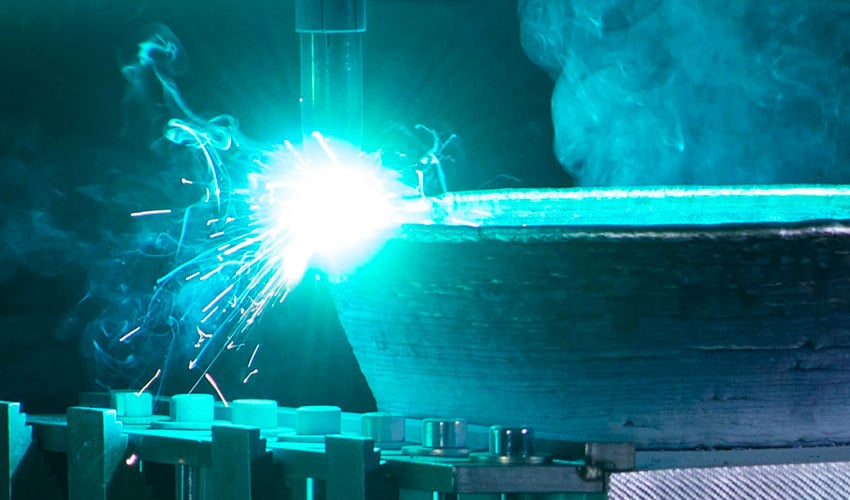 NewsThe Complete Guide to WAAM in Metal 3D PrintingWire Arc Additive Manufacturing (WAAM) falls under the umbrella of Directed Energy Deposition (DED) 3D printing. DED technology is a metal 3D printing technique that involves depositing a metal material in powder or wire form by means of a nozzle…
 NewsWhat are the ambitions of Marie Langer, the new CEO of EOS GmbH?Last October, Marie Langer was appointed CEO of the EOS GmbH Group, succeeding her father, Dr. Hans Langer, who founded the German company in 1989. The manufacturer of industrial additive manufacturing solutions quickly made a name for itself on the…
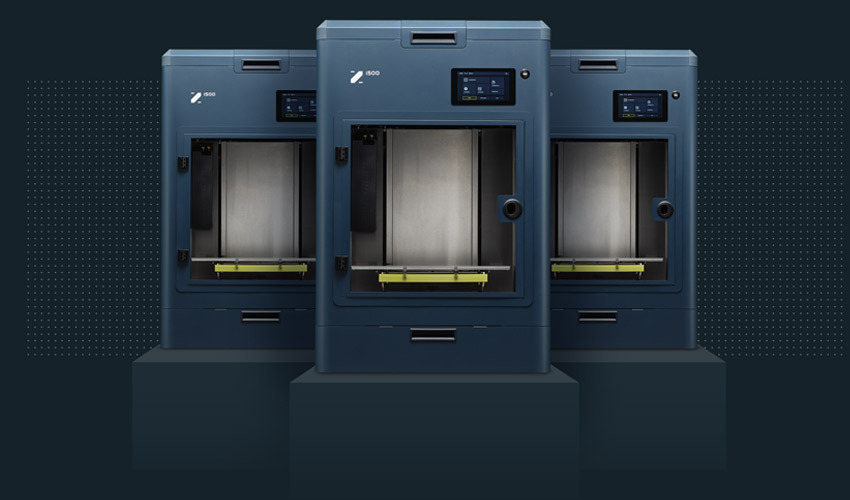 PrintersZmorph i500, a Safer Industrial-Grade MachineWe announced it to you two weeks ago: Zmorph has officially launched its new professional 3D printer, the Zmorph i500. With a printing volume of 500 x 460 x 300 mm, the machine should be able to meet the needs…
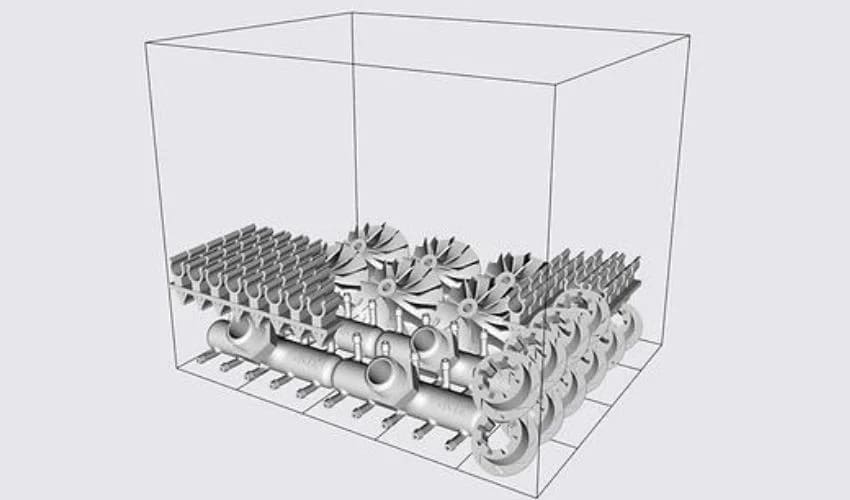 SoftwareAMIS Pro: The Software for SLS, MJF, and Jetting TechnologiesAMIS, a subsidiary of HYBRID Software, developed AMIS Pro, a software solution dedicated to 3D printing using SLS, MJF, and jetting technologies. Specifically designed to meet the needs of additive manufacturing, AMIS Pro offers a complete solution for preparing models…