News
Urwahn Bikes presents its limited edition copper-plated 3D printed bike
The German bike manufacturer, Urwahn Bikes has partnered with Schmolke Carbon, specialized in the fabrication of carbon fibre bike parts to develop a 3D printed frame for its racing bike. This is not the first time Urwahn Bikes has worked…
- 3 min read
- News
- Six more stories
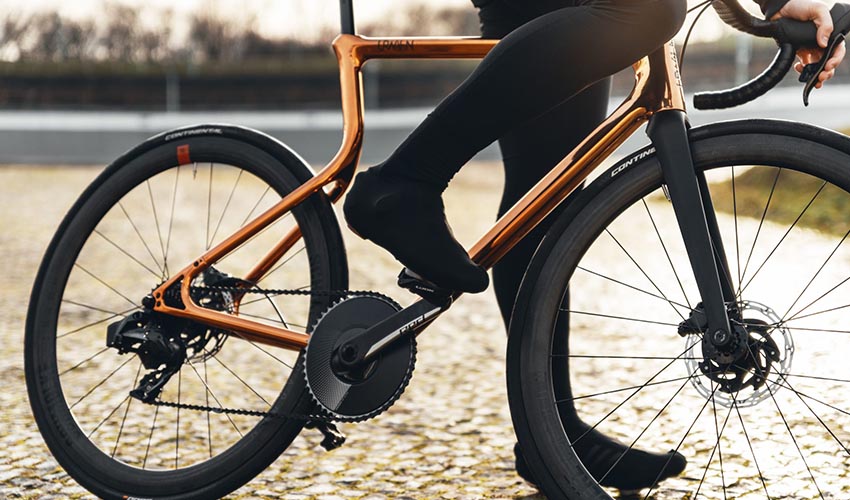
The German bike manufacturer, Urwahn Bikes has partnered with Schmolke Carbon, specialized in the fabrication of carbon fibre bike parts to develop a 3D printed frame for its racing bike. This is not the first time Urwahn Bikes has worked with 3D printing technologies to optimize the design of its bike frames. In 2019, it had released the Stadfuchs cycle, featuring a 3D printed steel frame. This time around, the copper-coated bike combines a 3D printed steel frame that has been adapted to integrate the lightweight carbon fiber parts developed by Schmolke Carbon.
Carbon fiber can enhance performance as it has a very good strength-to-weight ratio. Whilst increasing the resistance and strength of a part, it remains lightweight. In the 3D printing industry, carbon fiber is the most popular reinforcement material in composites. More and more 3D printing applications are using carbon fiber composites to create parts that increase performance. In this case, the carbon fiber bike parts developed by Schmolke Carbon were not 3D printed, but we can imagine that in the future Urwahn Bikes could use 3D printing for more than its bike frame.
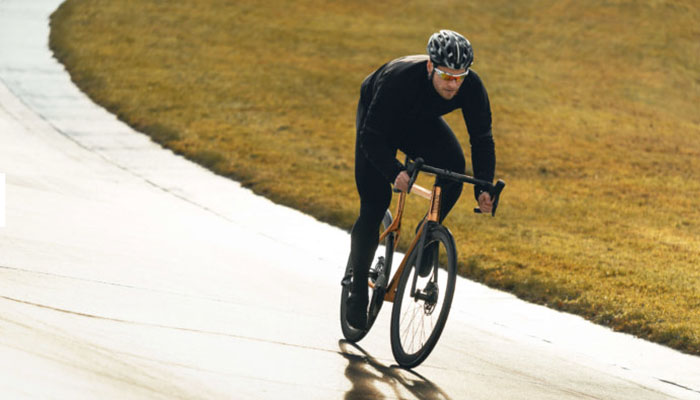
Image via Urwahn Bikes
Improving performance through design
The first thing you will notice on this bike is the copper plating on the 3D printed steel frame. Besides its shiny exterior, this racing bike has a geometric advantage over other bikes. Schmolke Carbon explains: “The elastic suspension of the rear wheel gives the rider additional riding comfort without sacrificing bottom bracket stiffness. This effect is especially noticeable on longer rides and uneven surfaces.” Urwahn Bikes also stated that it has been able to “avoid any restrictions regarding part geometry,” by creating thin-walled parts using Selective Laser Melting (SLM) technology. Such design freedom allowed the company to integrate various technical components within the steel frame, including an LED lighting system and GPS tracking system.
More from the desk
Six other notes from the rest of the bench.
 SoftwareAll You Need to Know About Orca SlicerIn today’s FDM 3D printing landscape, Bambu Lab is a major player. On social media, in printing forums and at international trade fairs such as Formnext, the Chinese manufacturer is on everyone’s lips and in high demand. But 3D printing…
 NewsFully 3D printed rocket engine unveiled by Skyroot AerospaceThe Indian startup Skyroot Aerospace has just unveiled its first fully 3D printed rocket engine. Named Dhawan-I after the famous engineer Dr. Satish Dhawan, it is a cryogenic engine – it uses gases kept in a liquid state at low…
 ApplicationsHong Kong University Develops 3D Printed Airways for Burn VictimsHigh-degree burns often cause injuries to the respiratory tract. To treat inhalation injuries, cuts must be repaired and damaged tissue removed so that the healthy tissue can be reconnected. Researchers at the University of Hong Kong (HKU), alongside C2iTech and…
 Printers3Dnatives Lab: Testing the ZMorph VX 3D PrinterOriginally from the RepRap world, the Polish manufacturer ZMorph launched itself on the 3D printer market in 2012. Over the years, the brand has made a name for itself with its multi-functional 3D printers. Its latest model, the ZMorph VX,…
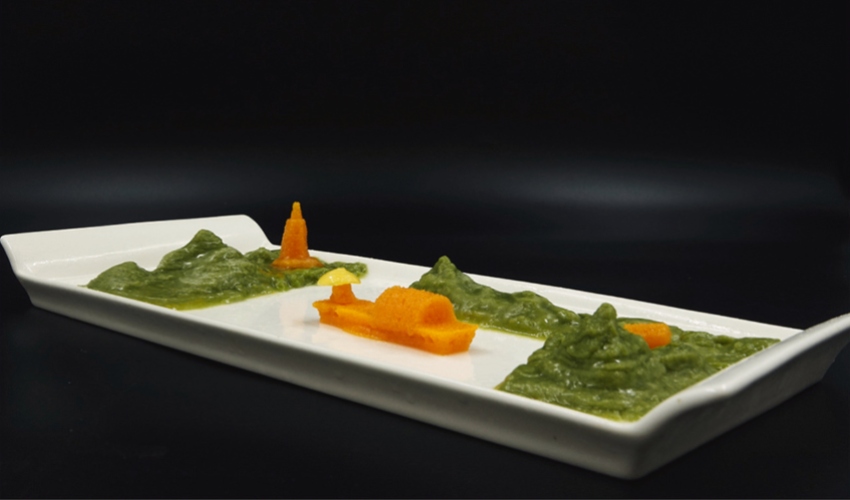 NewsResearchers Develop More Nutritional and Appetising Method of 3D Printing VegetablesSingaporean researchers have developed a novel method of 3D printing vegetables using food hydrocolloids. Previous three-dimensional food printing (3DFP) methods have largely relied on freeze-dried vegetable powders. This method, however, is centred around the use of fresh and fr
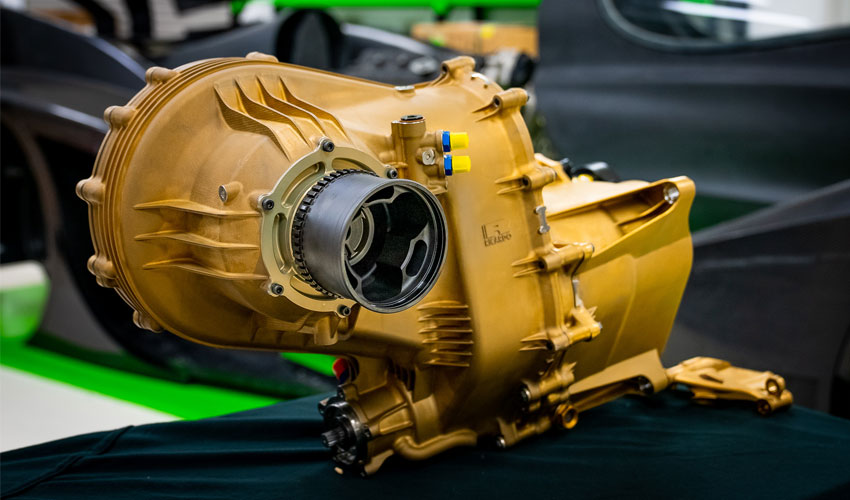 MaterialsRodin Cars 3D Prints A Sequential Titanium GearboxNew Zealand racing car maker Rodin Cars is implementing the use of metal additive manufacturing to produce parts for its new hypercar, the Rodin FZERO. Thanks to the DMP Factory 500 3D printer, the company was able to design its…