Materials
Scientists use Ulvan from Seaweed to Develop Bioink with Wound Healing Abilities
Scientists have developed a novel bioink for 3D bioprinting which could play an important role in wound healing. This ability is thanks to the addition of a particular strain of the molecular species ulvan, a type of seaweed, which possesses…
- 3 min read
- Materials
- Six more stories
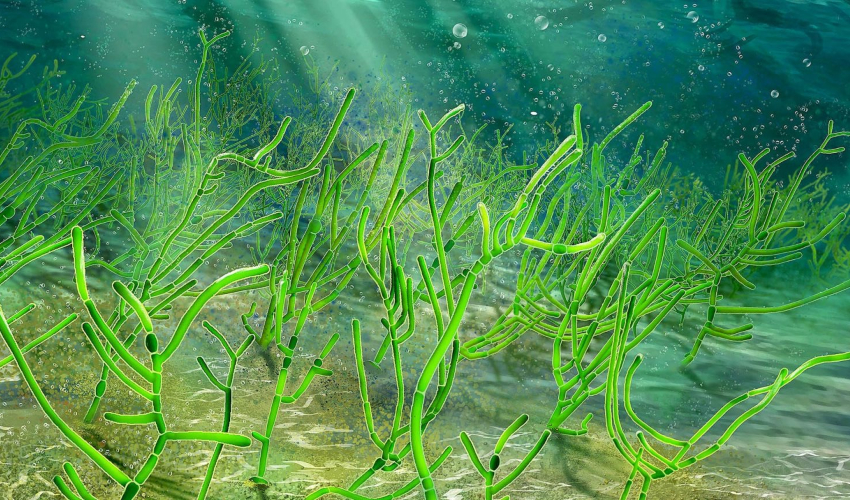
Scientists have developed a novel bioink for 3D bioprinting which could play an important role in wound healing. This ability is thanks to the addition of a particular strain of the molecular species ulvan, a type of seaweed, which possesses a structure comparable to human skin. Ulvan is able to regulate the function of cells in producing key biomolecules used during wound healing.
“Wound healing occurs in a 3D environment involving a number of cell types and biomolecules, so the use of 3D bioprinting to create scaffolds for wound healing has attracted much attention,” ARC Centre of Excellence for Electromaterial Science (ACES) Director Professor Wallace explains. “Here we have formulated a bioink for 3D bioprinting, containing ulvan and discovered that the presence of it assists in the proliferation of cells involved in wound healing.”

ACES Director Professor Gordon Wallace. (Photo credit: University of Wollongong)
Researchers first isolated an ulvan type polysaccharide from a cultivated source of a specific Australian Ulvacean macroalgae (Ul84), before adding it to a traditional gelatin methacryloyl (GelMA) based bioink. Ul84 resembles the glycosaminoglycans found in mammals which play a role in wound healing and tissue matrix structure and function. The ulvan acts as “molecular reinforcement in 3D printed scaffolds”. This is an important feature in preventing structure contraction, and thus minimizes scarring during wound healing.
More from the desk
Six other notes from the rest of the bench.
 ApplicationsMedScan3D Talks Creating Customized Anatomical Models Using 3D PrintingSurgical planning has come a long way in recent years, thanks in particular to new technologies used in the medical sector. Practitioners can now rely on digital tools to visualize pathologies in 3D, all in a personalized way to improve…
 MaterialsNew 3D Printed Metamaterial Could Revolutionize Aircraft and Rocket Parts ProductionRepeatedly, researchers draw inspiration from nature to drive innovation. Recently, we highlighted the development of a novel 3D printing technique by researchers inspired by chameleons. Similarly, the Fraunhofer Institute is exploring insect-inspired wood binders for 3D printing
 NewsTop 5 Videos: 3D Printer Helps Children With DiabilitiesAnother hot summer week has come to an end and once again we present to you our top 5 list of videos about 3D printing! We start this week’s top 5 with a video about a non-profit organization that uses…
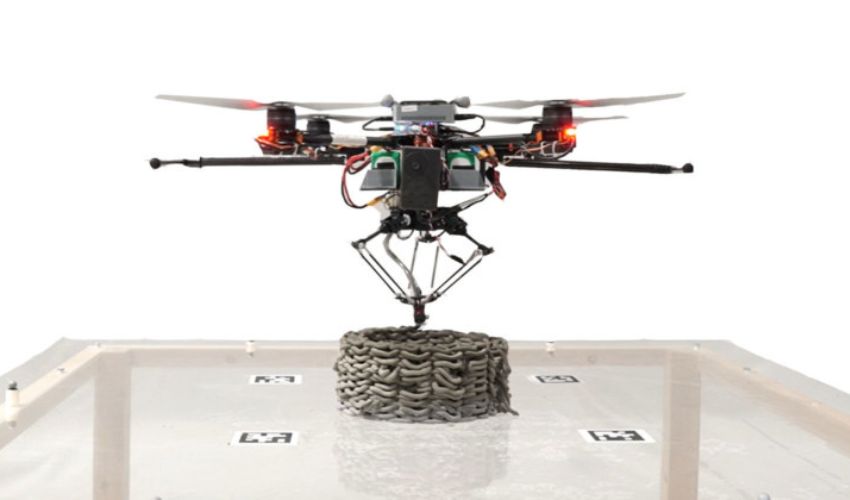 NewsDrones That Use 3D Printing for Building Construction and RepairA team of researchers from Imperial College London and Empa, the Swiss Federal Laboratories of Materials Science and Technology have developed a special kind of drone that uses collective building methods and is able to construct and repair buildings. These so-called…
 News14Trees Announces the Construction of 10 Kenyan 3D Printed Houses in 10 weeksIn the world today, many countries have entered a sustainable phase of aging. This means that life expectancy is increasing year after year, and the elderly population continues to grow. In contrast, some regions are experiencing a population explosion. This…
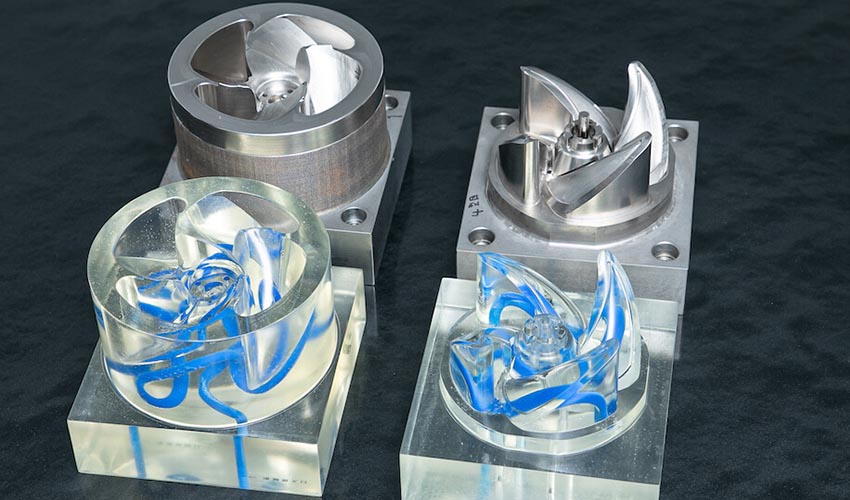 NewsOptimizing mold cooling channels using generative designEven though additive manufacturing is moving beyond being a rapid prototyping technology, injection molding is still the most efficient way to mass produce plastics parts. Injection molding is therefore essential for mass-production of plastic parts with complex shapes. In order&